Archive

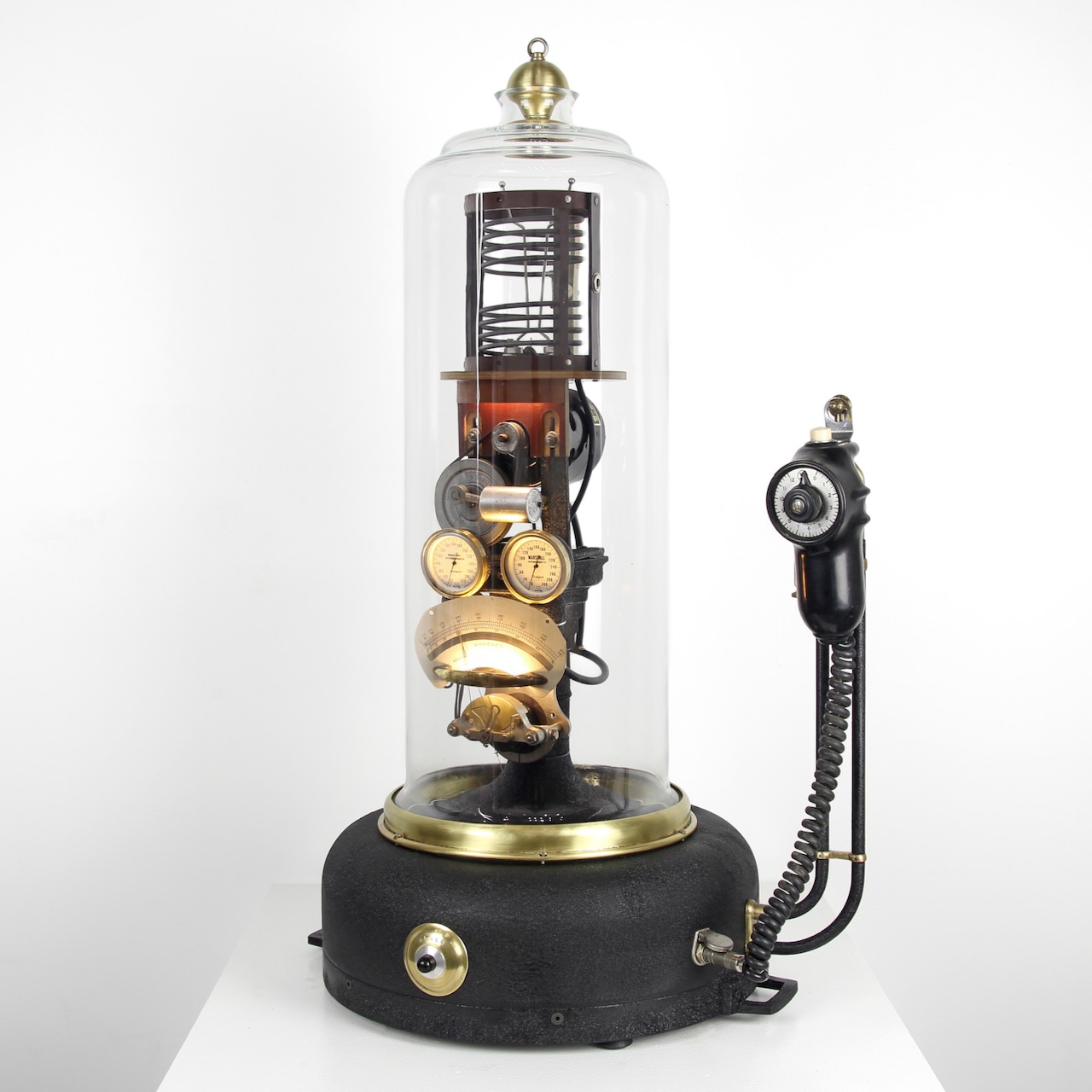
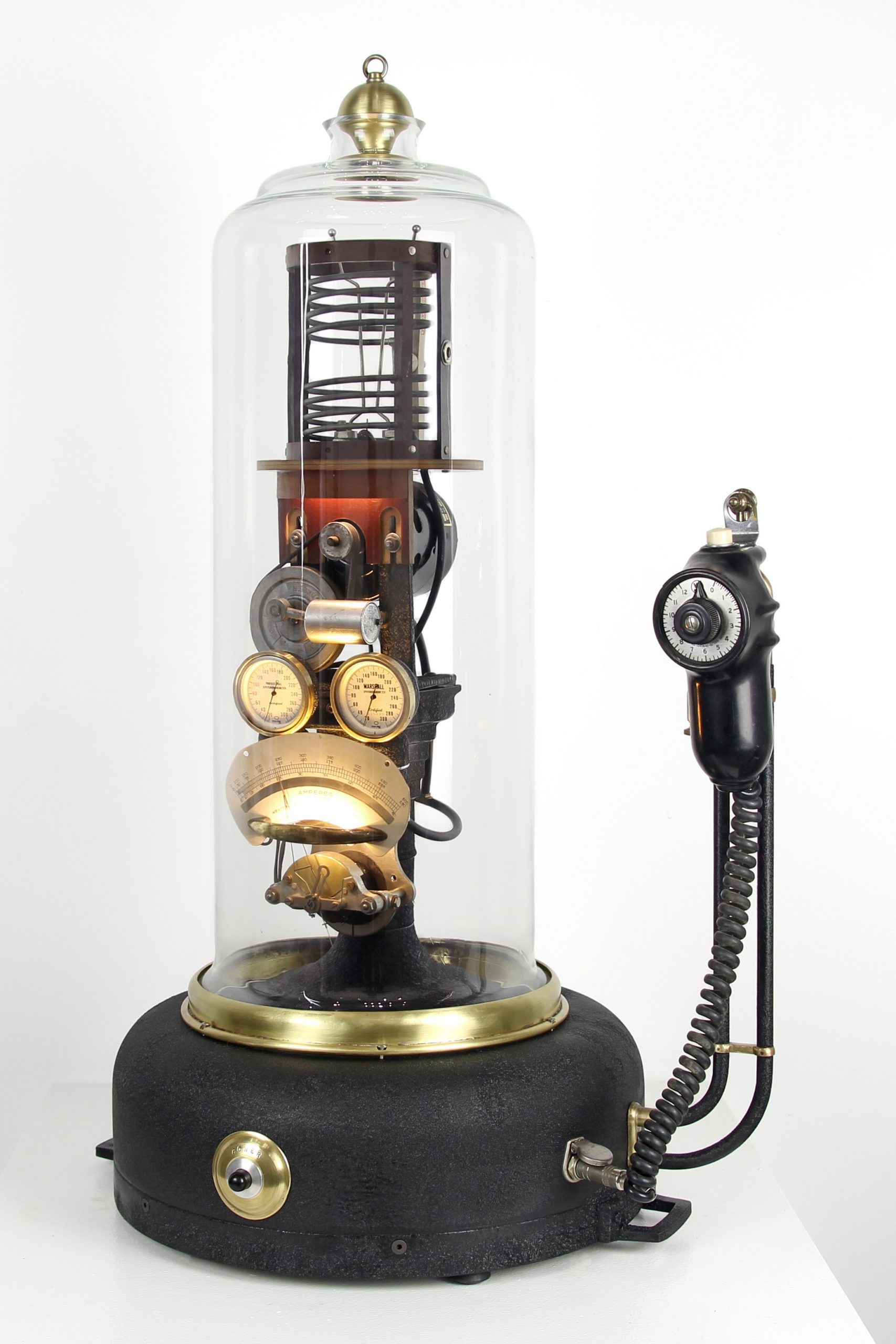
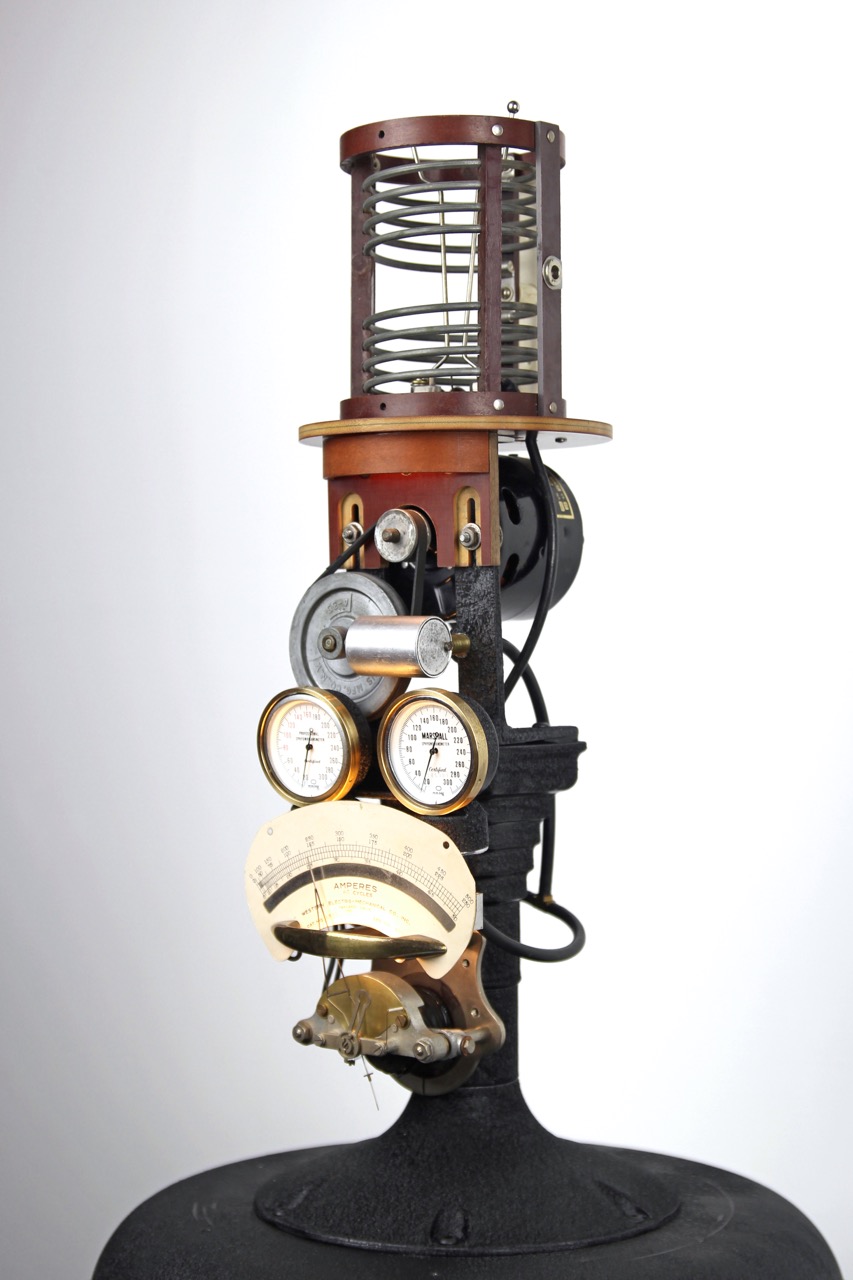
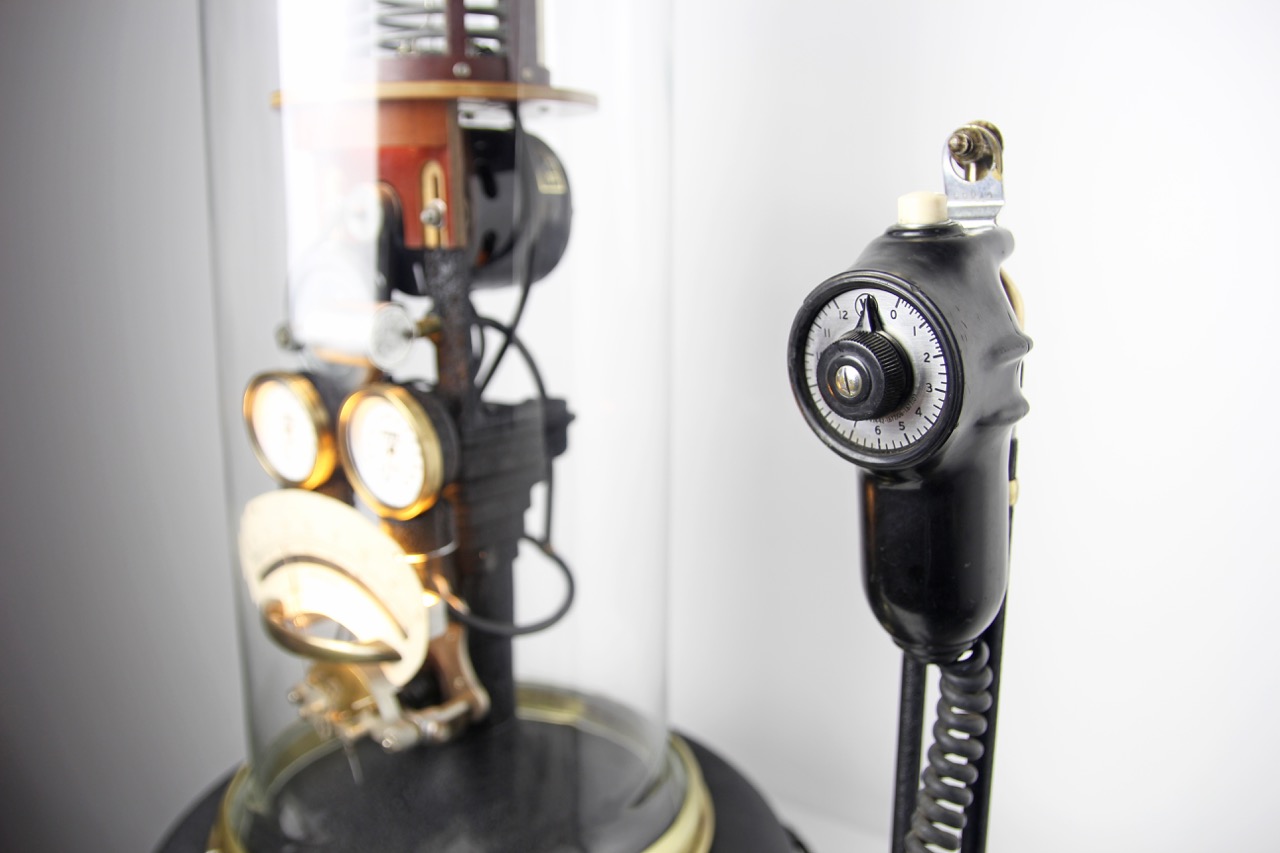
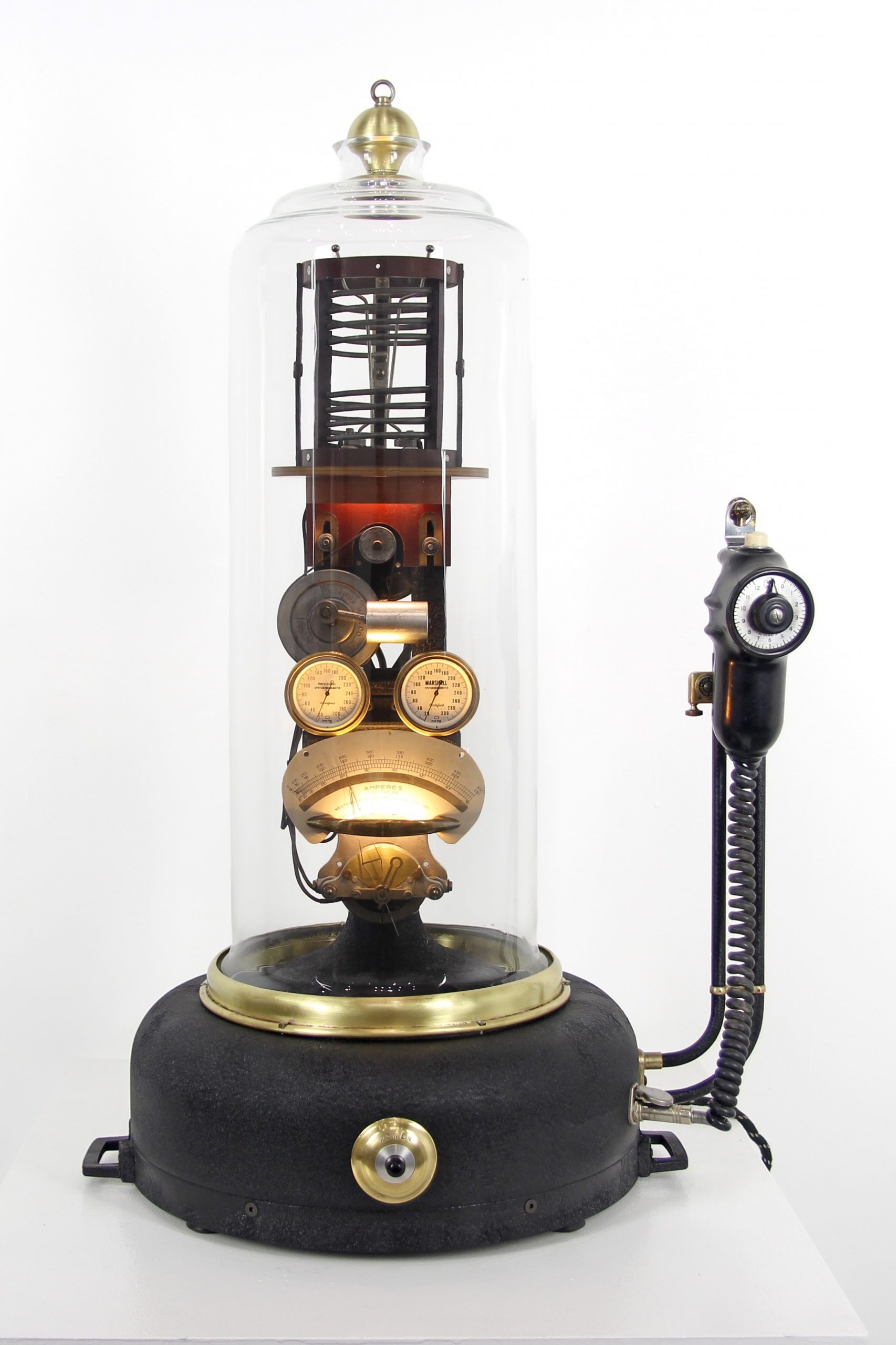
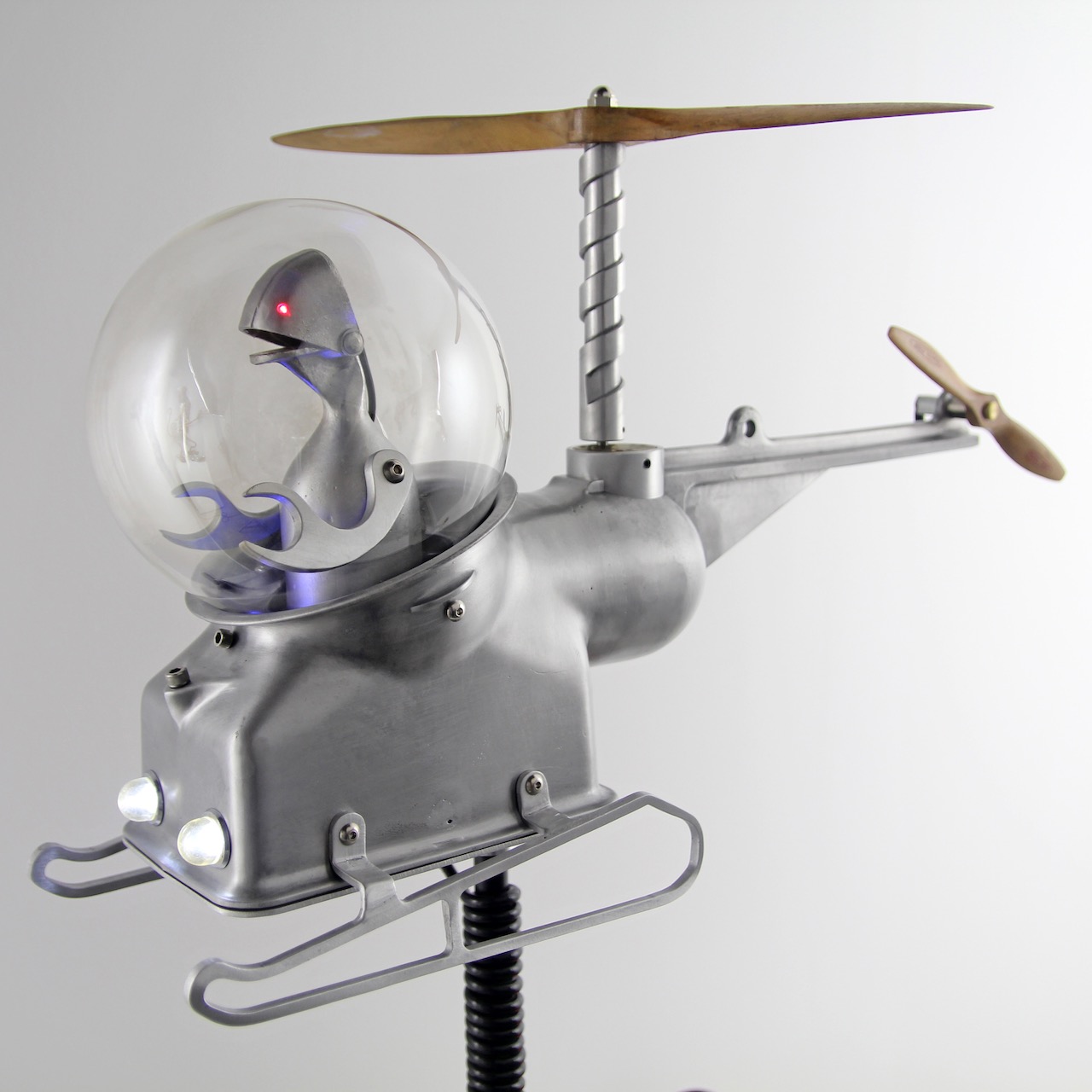
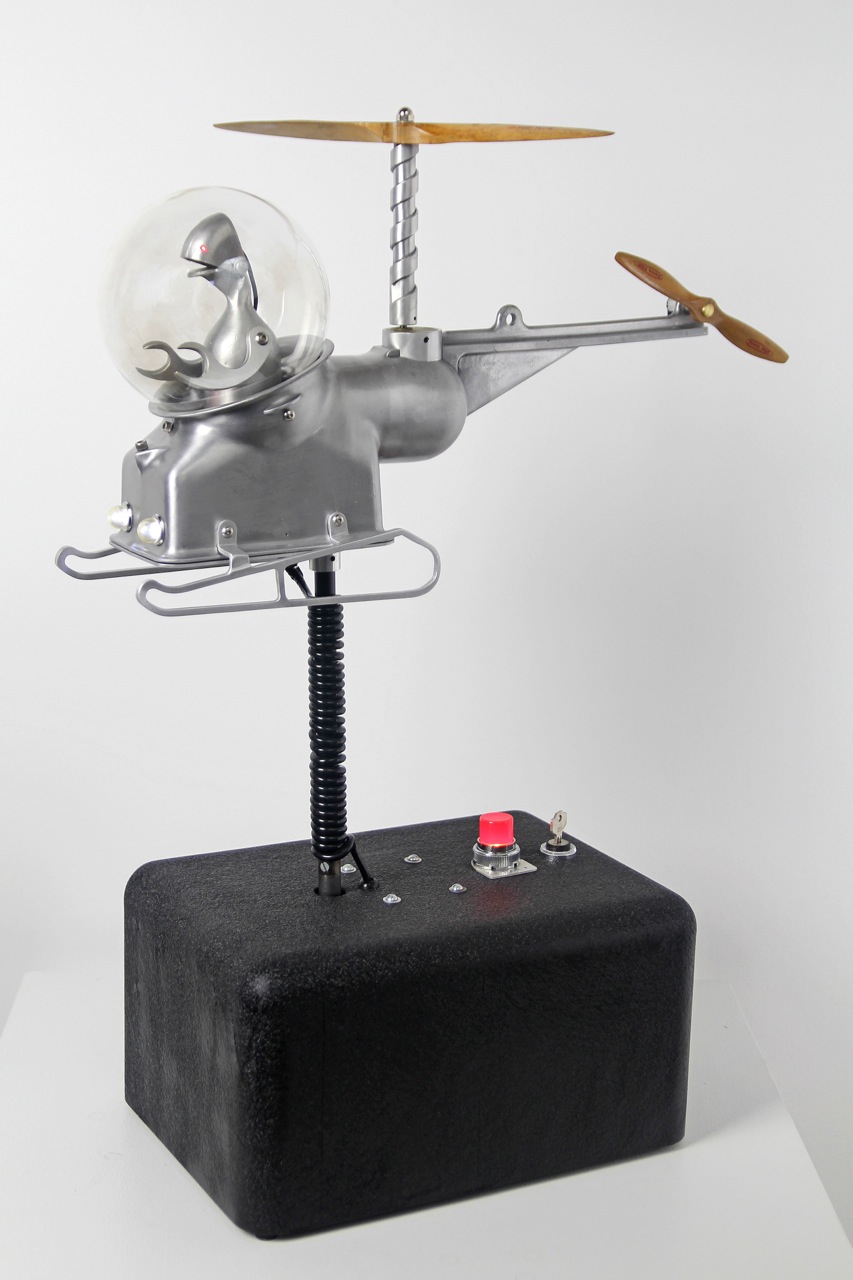
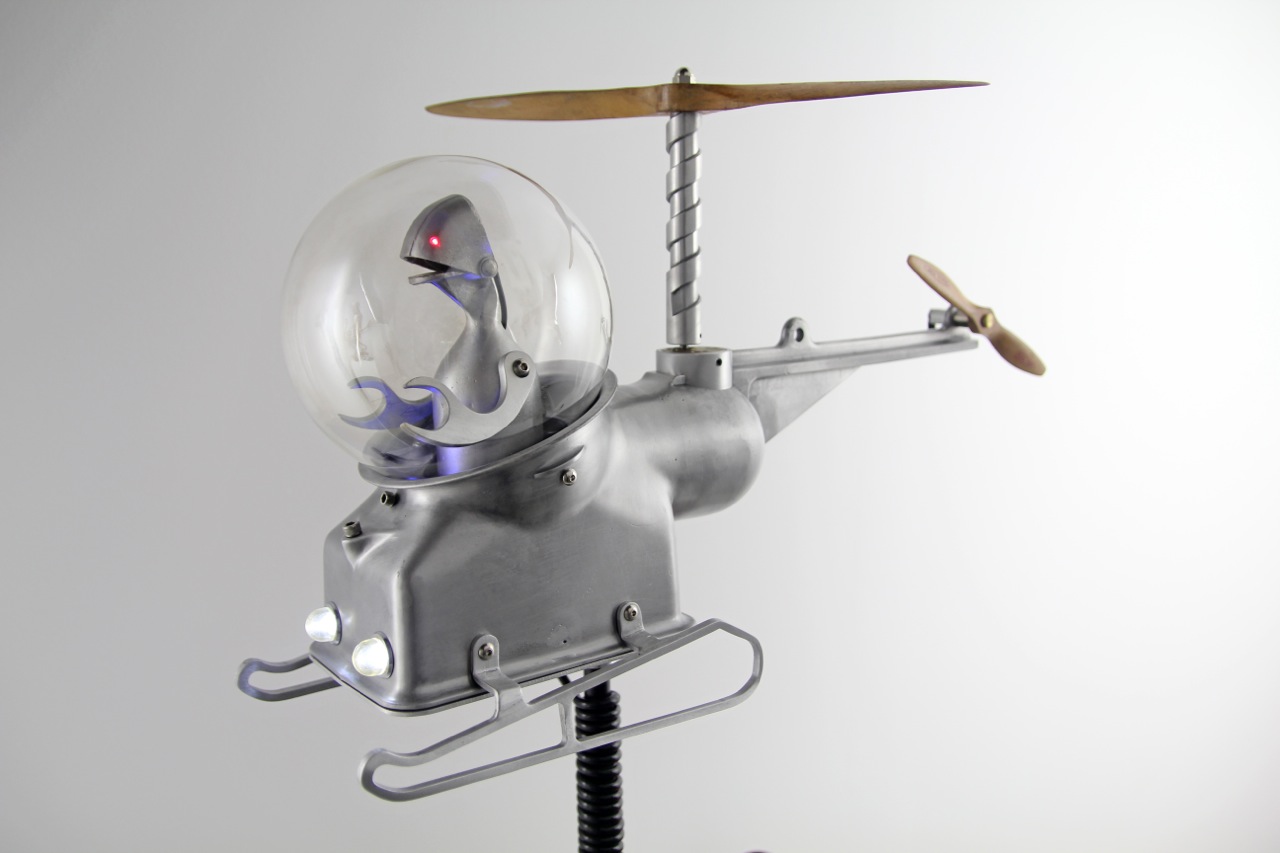
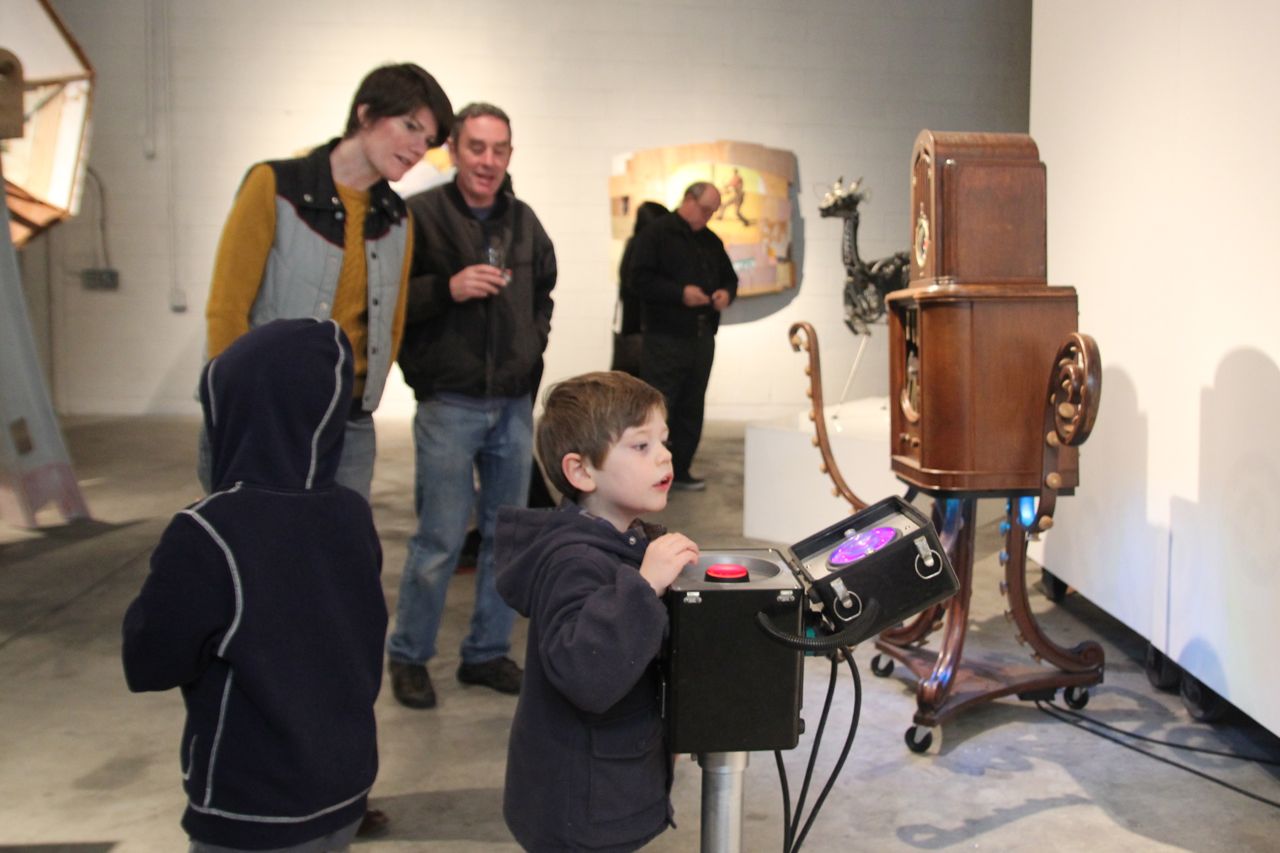
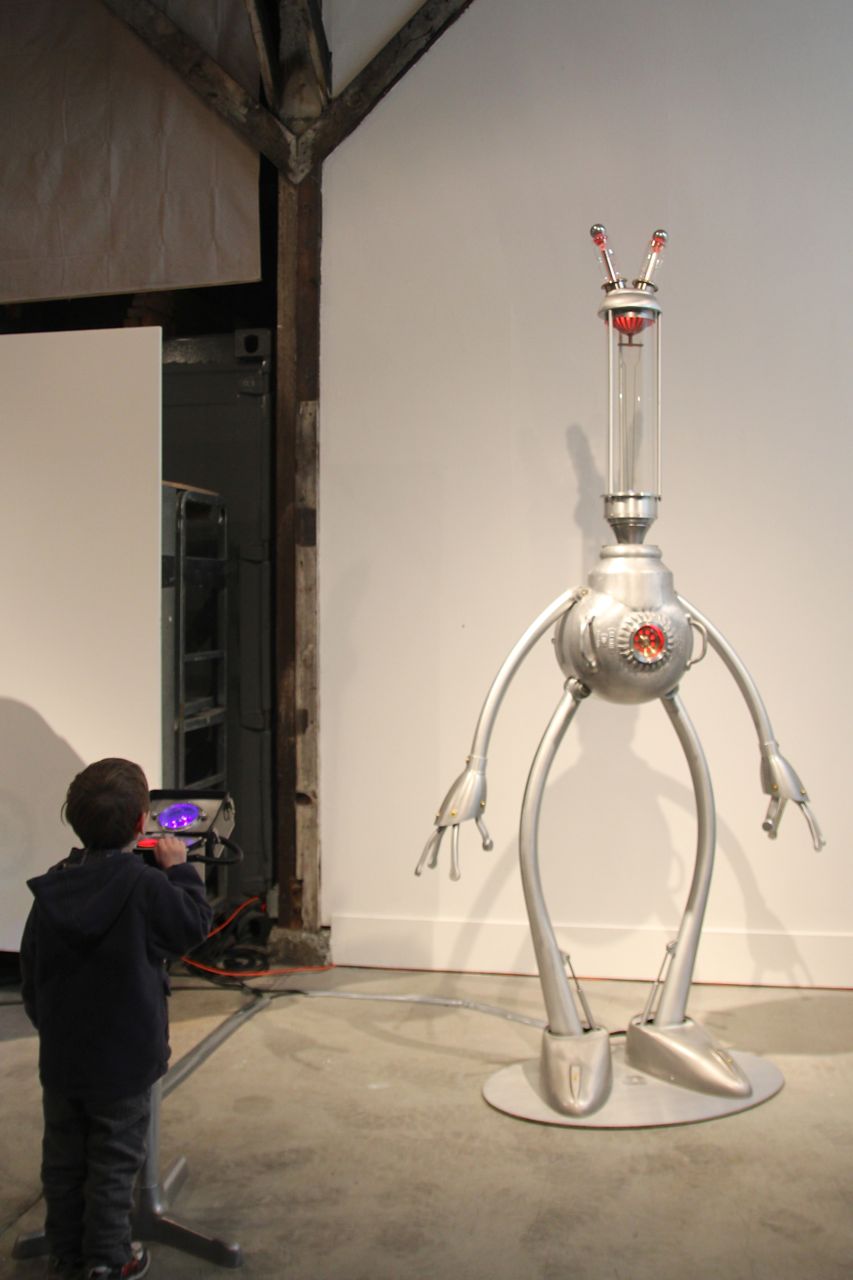
This piece serves to diffuse tension and anxiety in the user. When the hand held timer is activated, bad energy flows through the cord and is safely converted into various forms of kinetic energy such as electricity, air pressure, heat, sound, light, rotational force, etc.

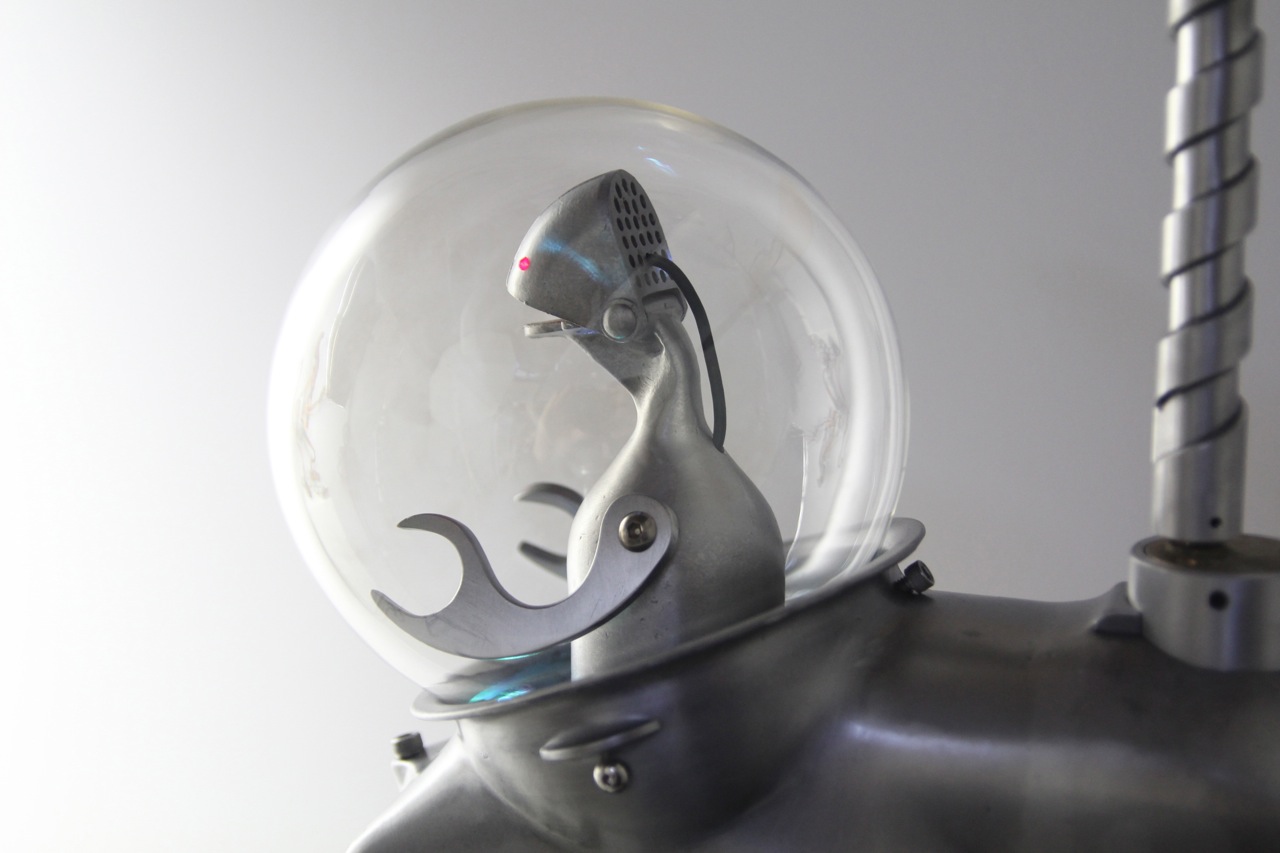
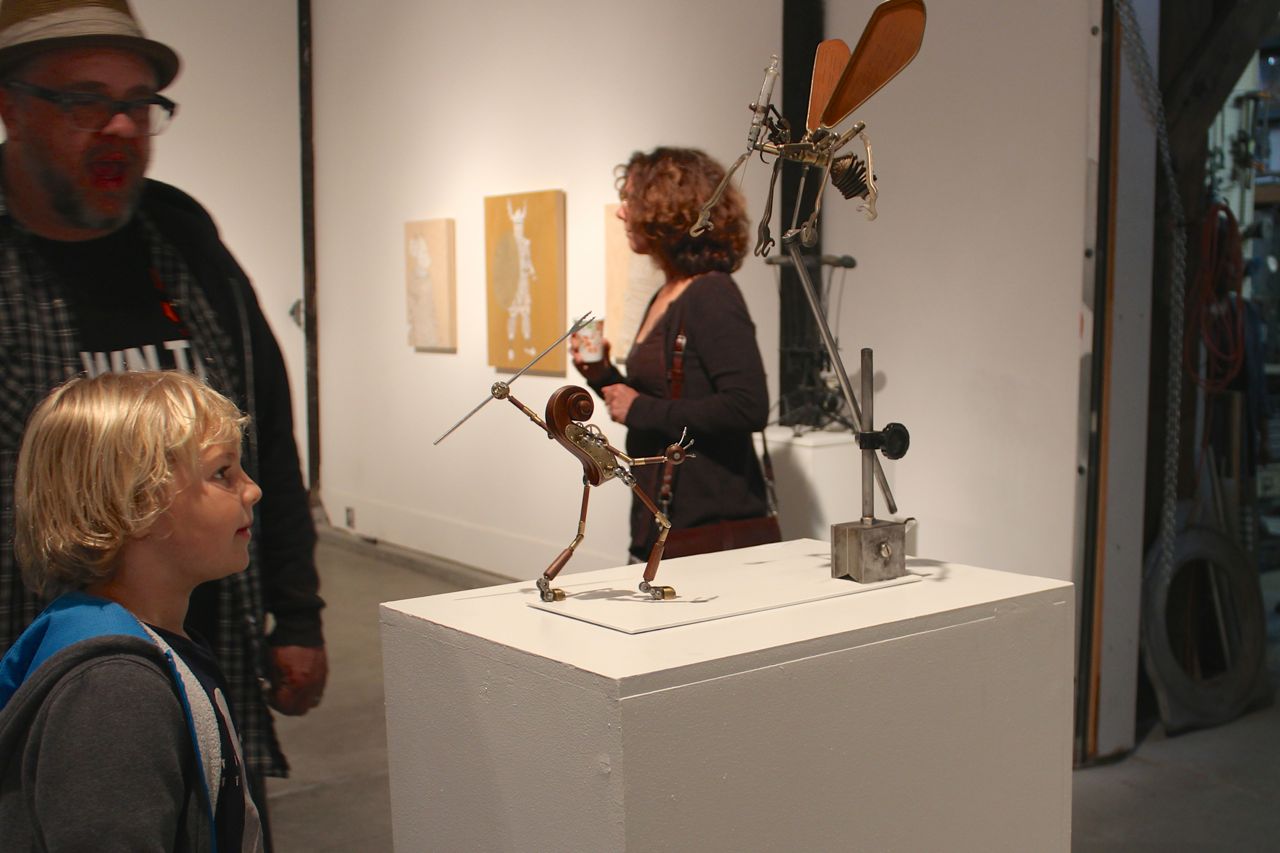
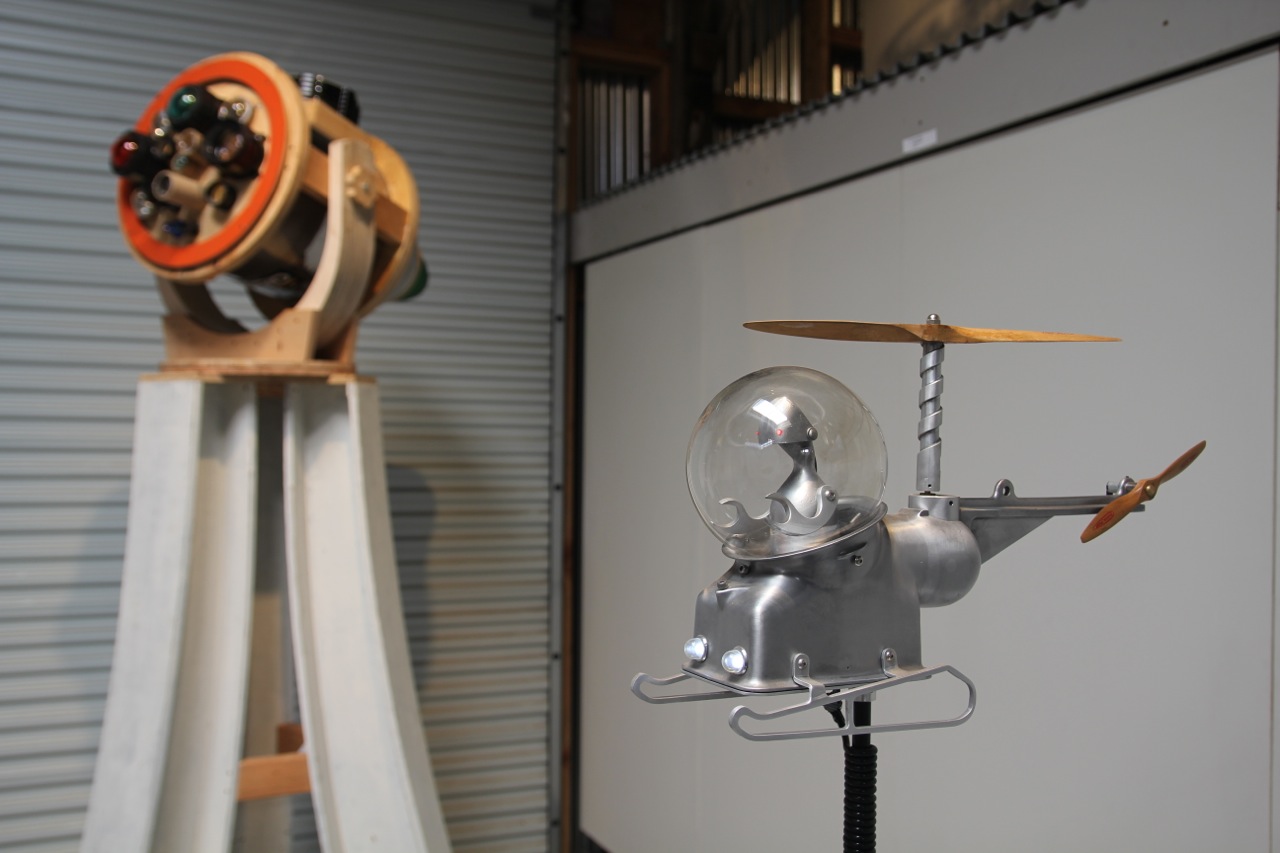
I’ve had the intention for many years now to make a helicopter sculpture. It wasn’t until finding the reciprocating mechanism from a large scroll saw that I actually found the inspiration to attempt it. Some model airplane propellors at a flea market sealed the deal. The little pilot is made from a garlic press and part of the coolant system from a refrigerator.

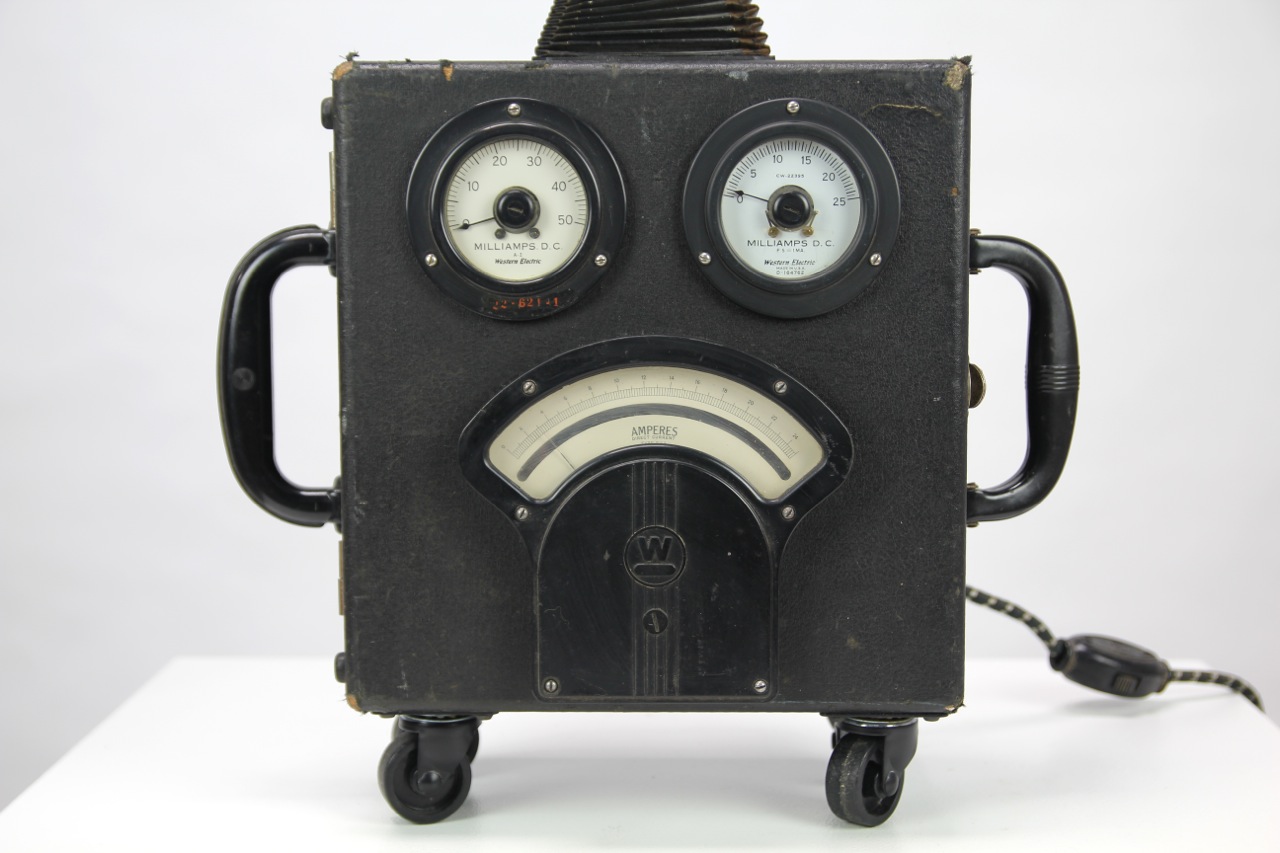
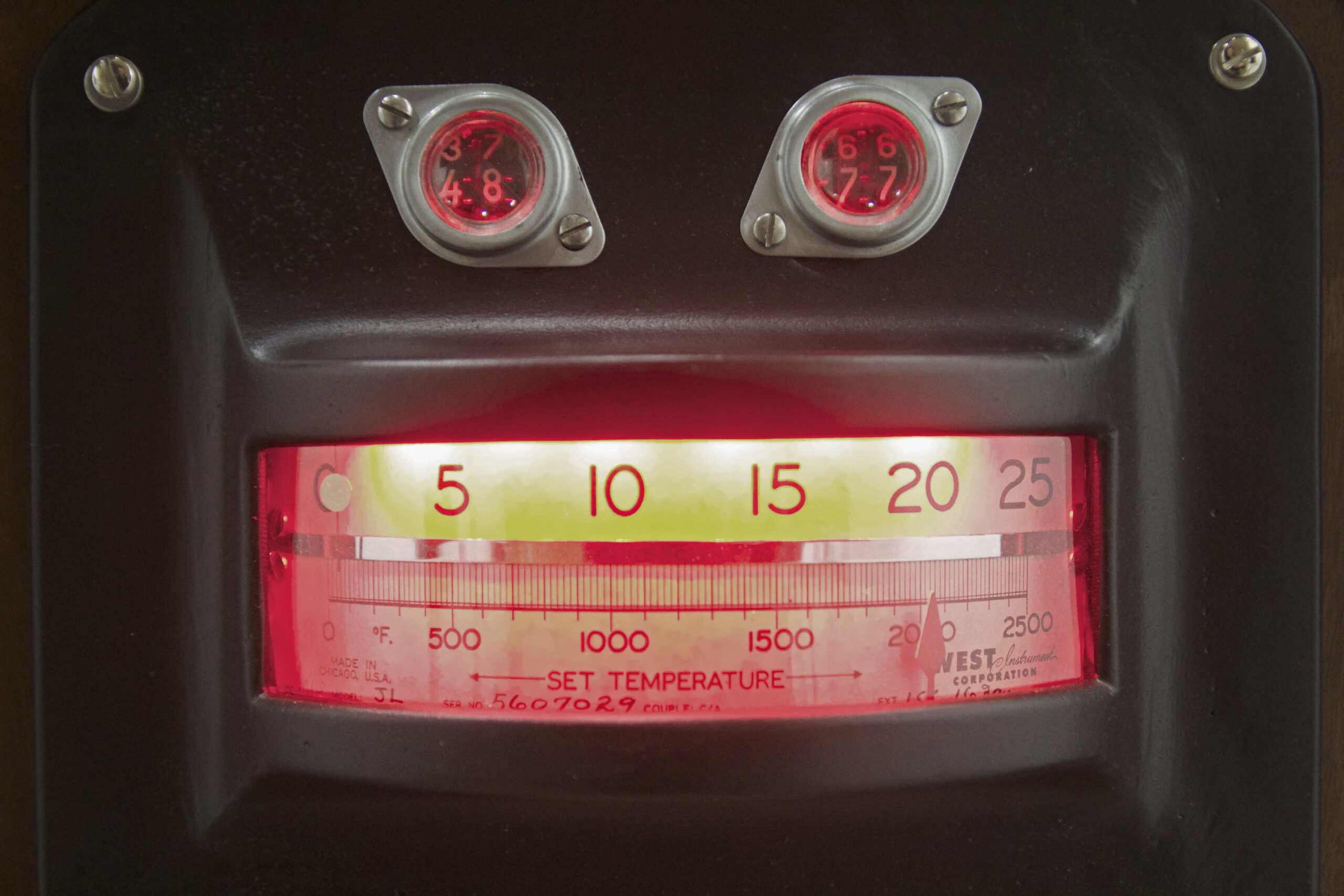
This piece is simply an indulgence in my tendency to see faces in everything. Many of the sculptures in this portfolio begin with seeing some sort of character in a found object. In this case I chose not to build out a single character from a single face, but rather to just see how many faces I could squeeze into one piece.

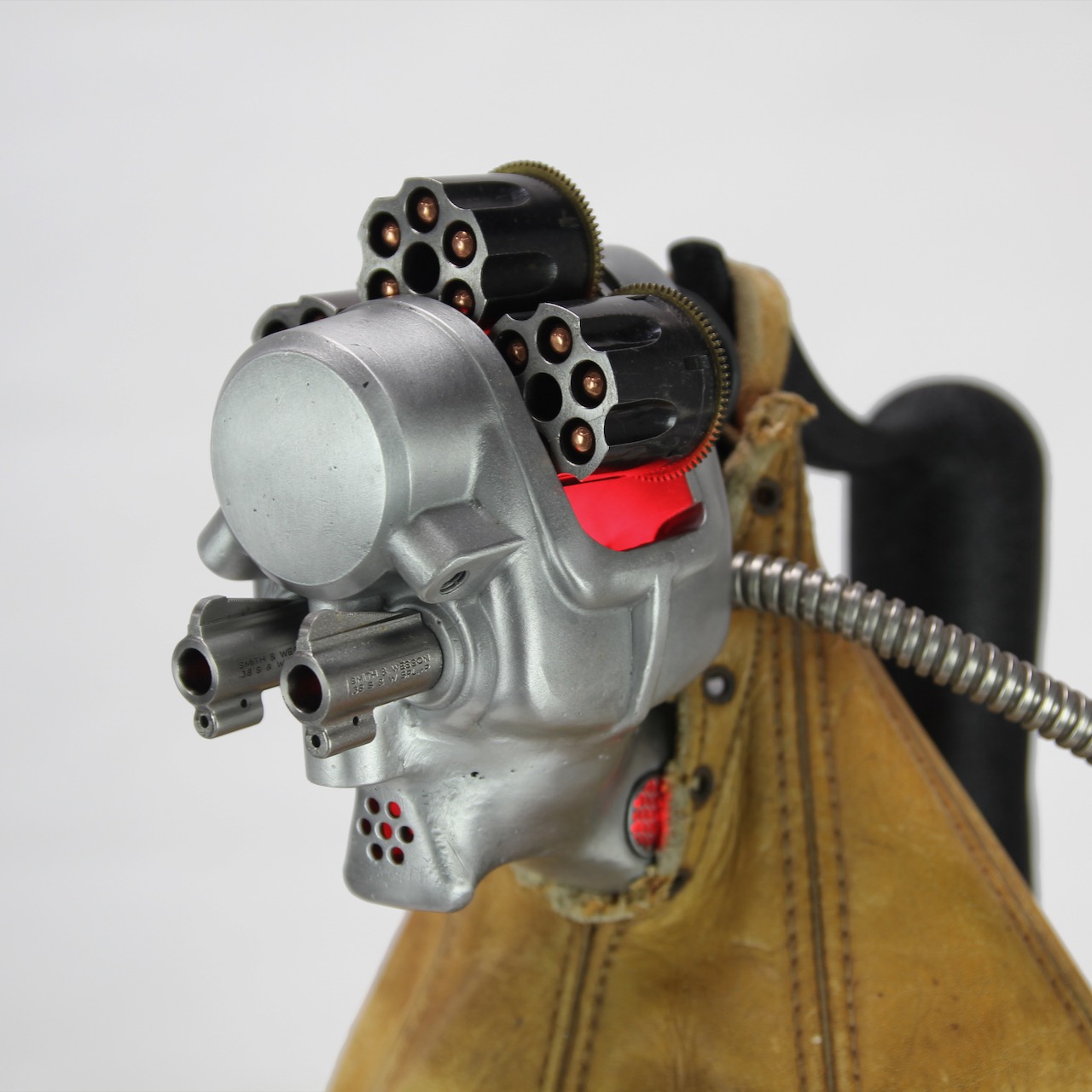
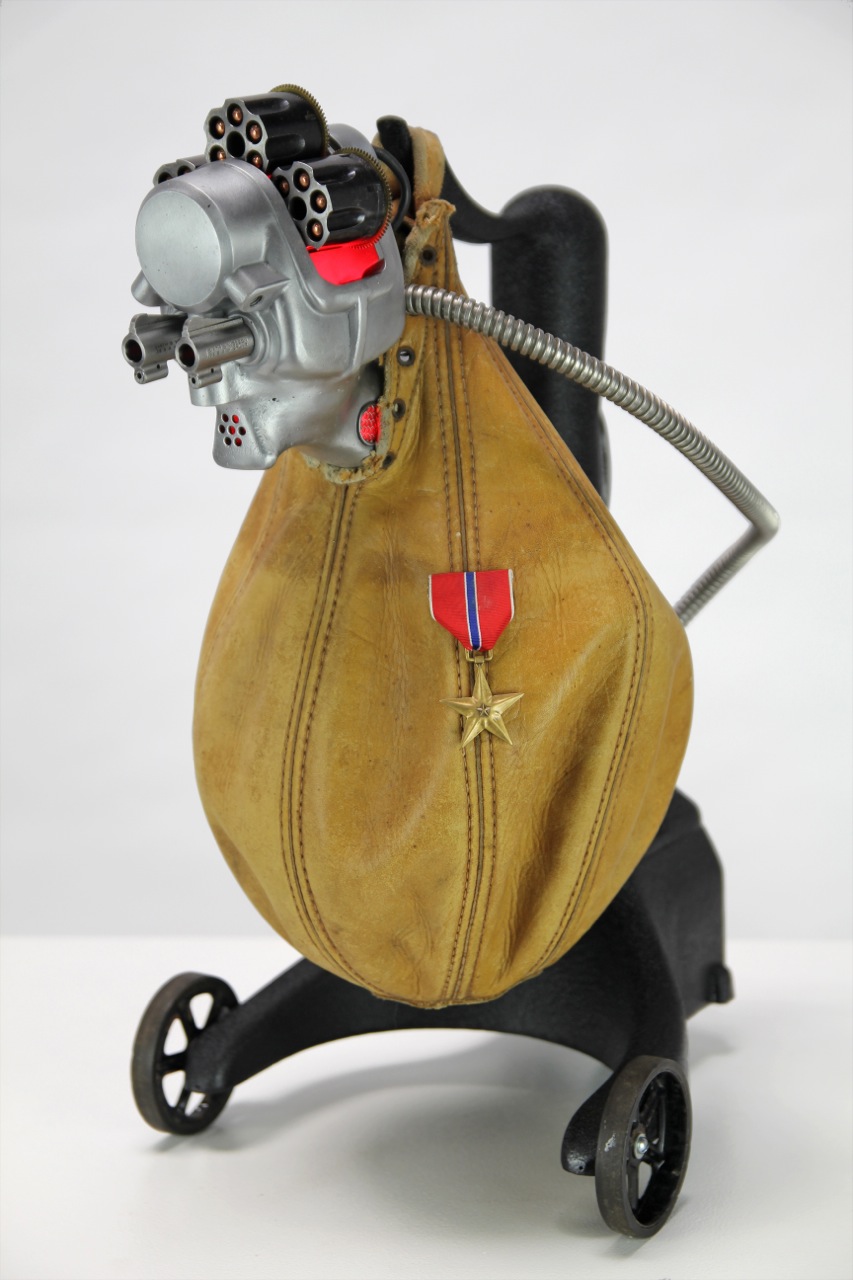
Col. Ostomy is a casualty of war. His injuries were great enough that he lost the use of all but his military intelligence. Watch the video to see the gears turn in his great strategic mind, as what remains of his body struggles feebly against the bag that holds him together.

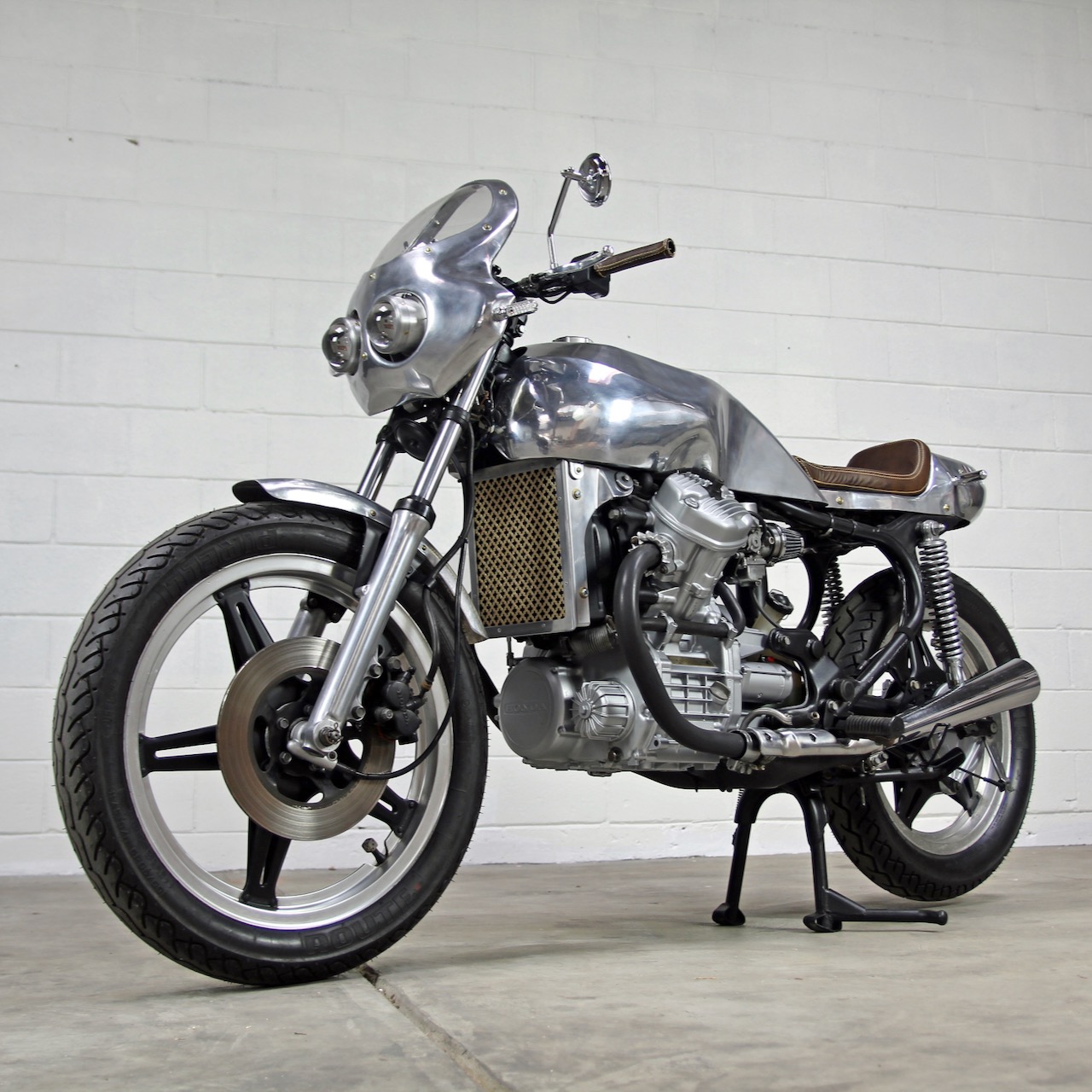
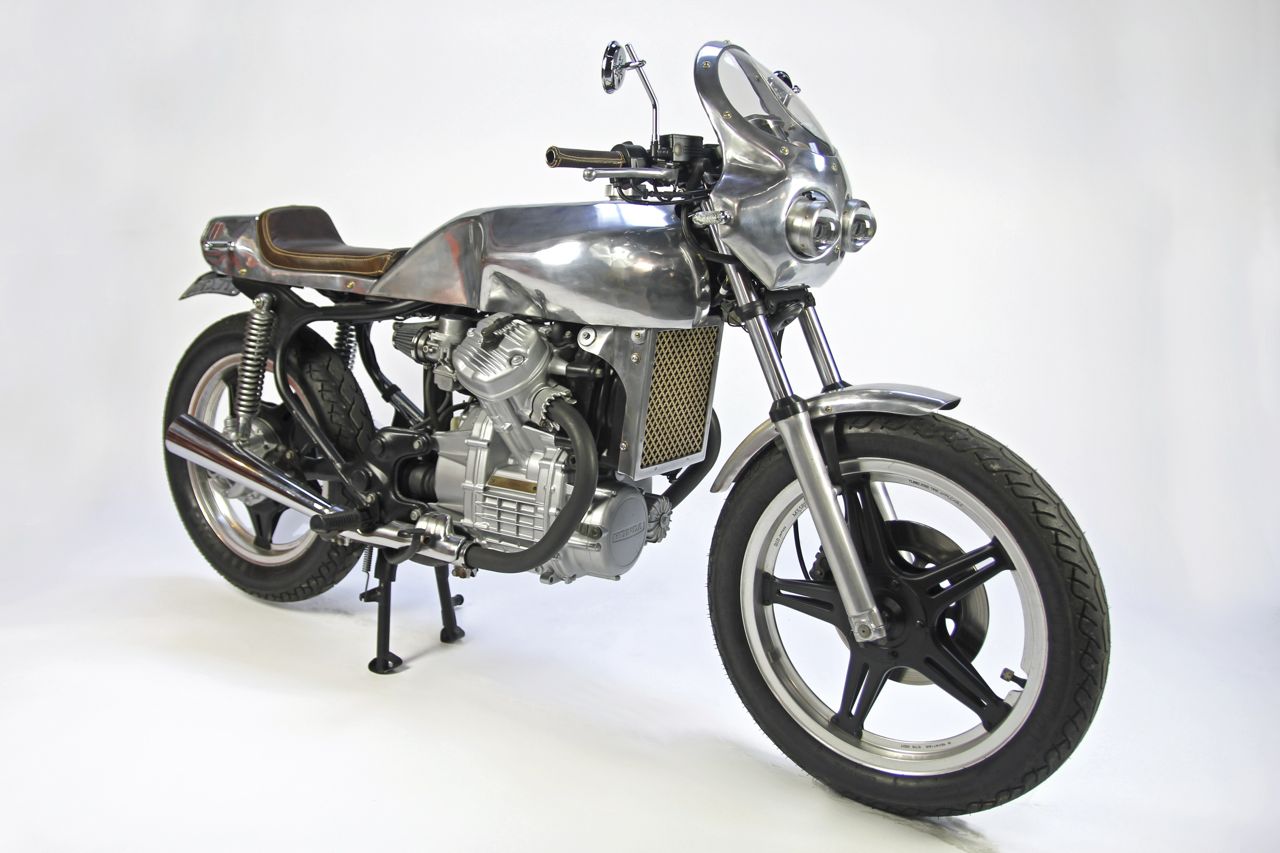
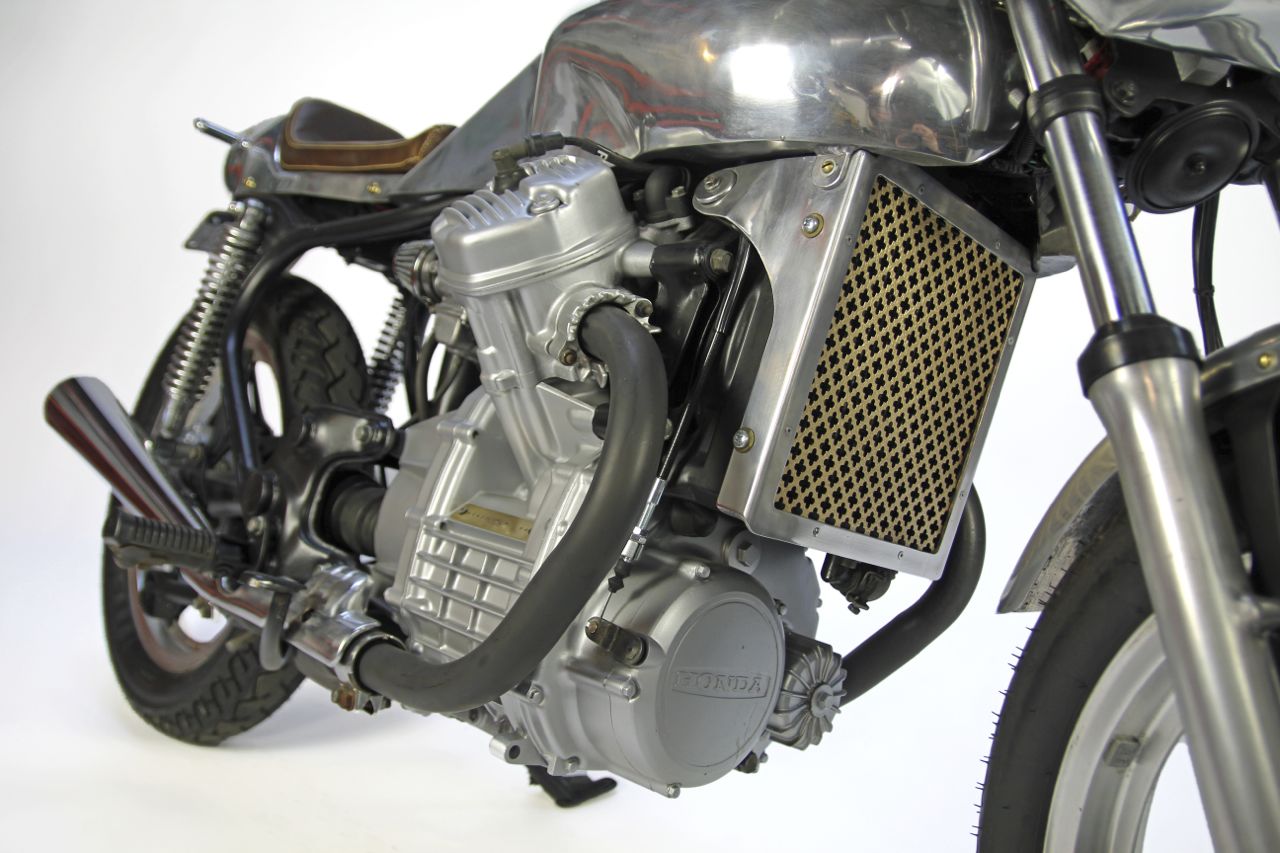
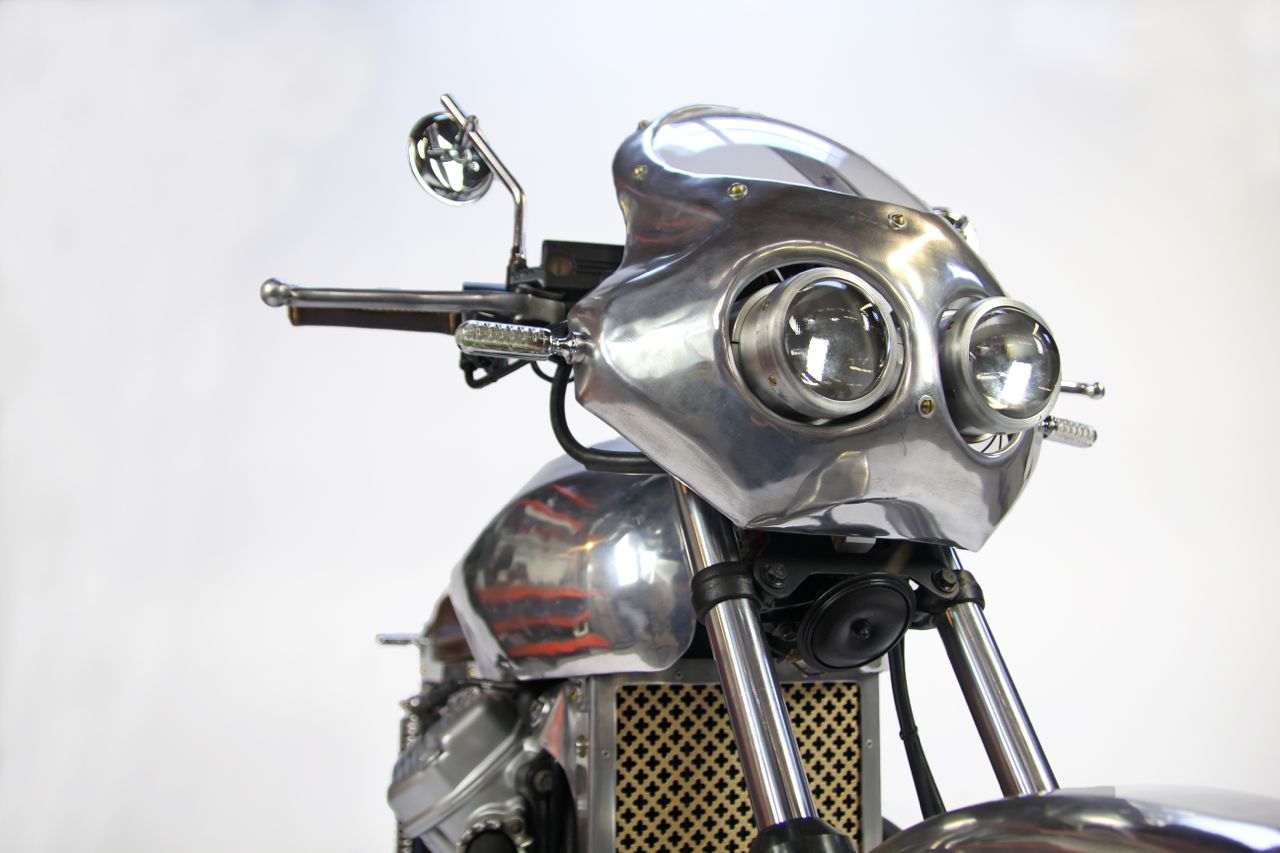
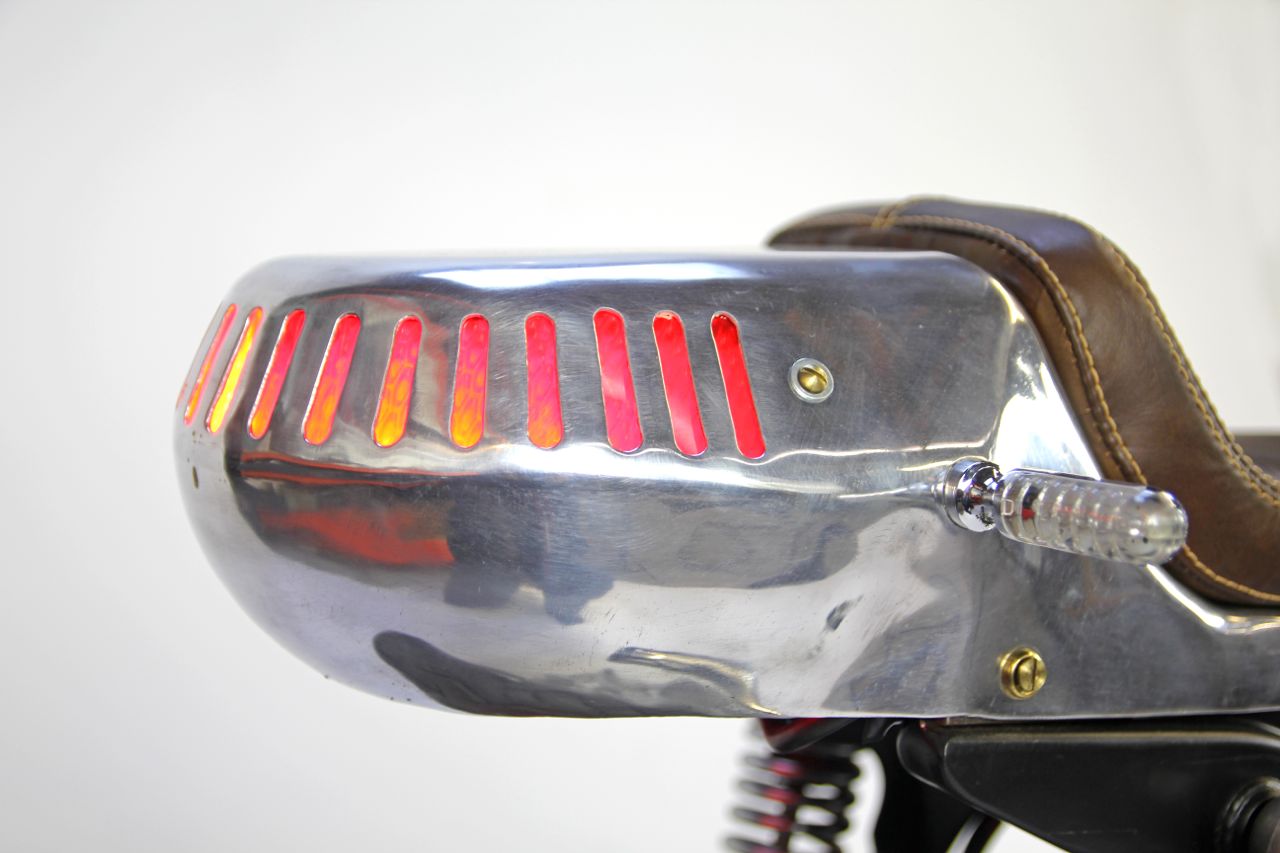
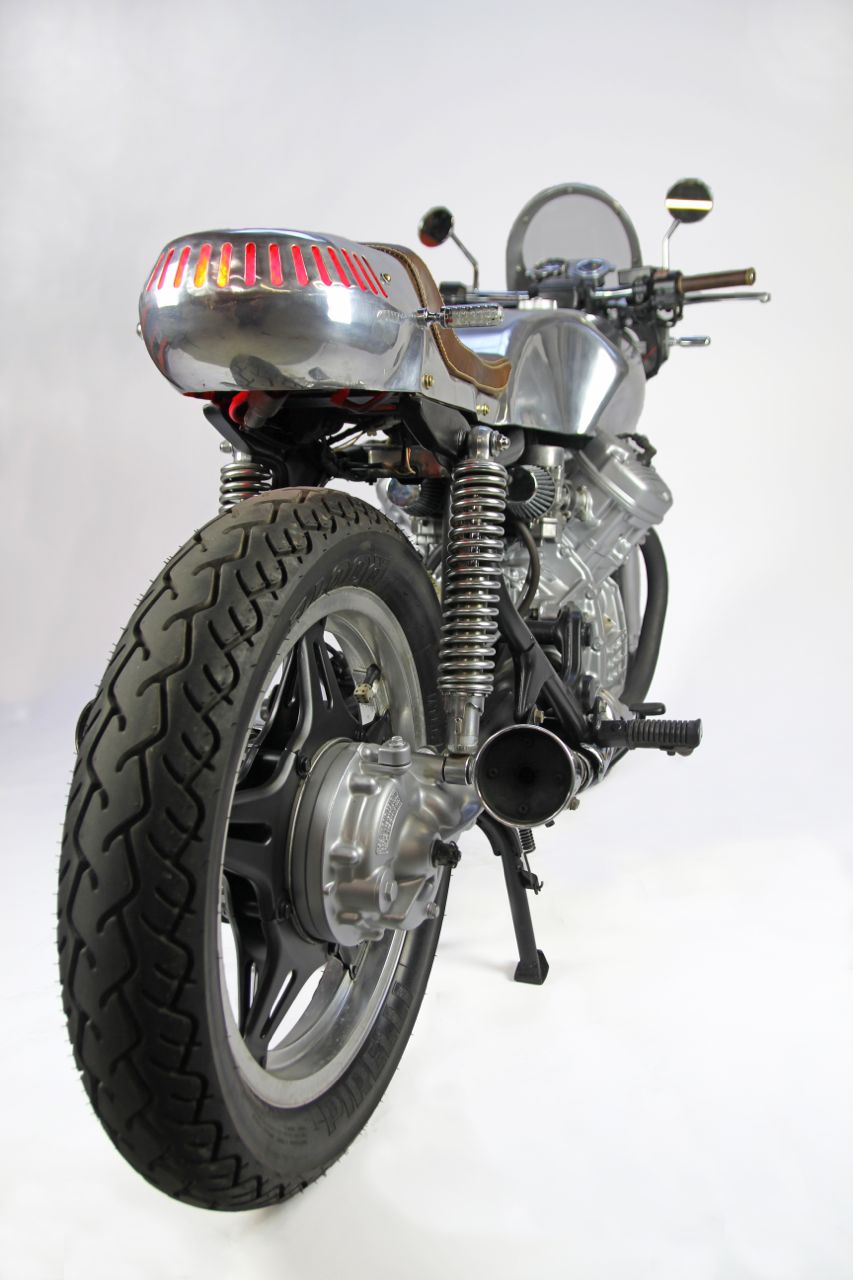
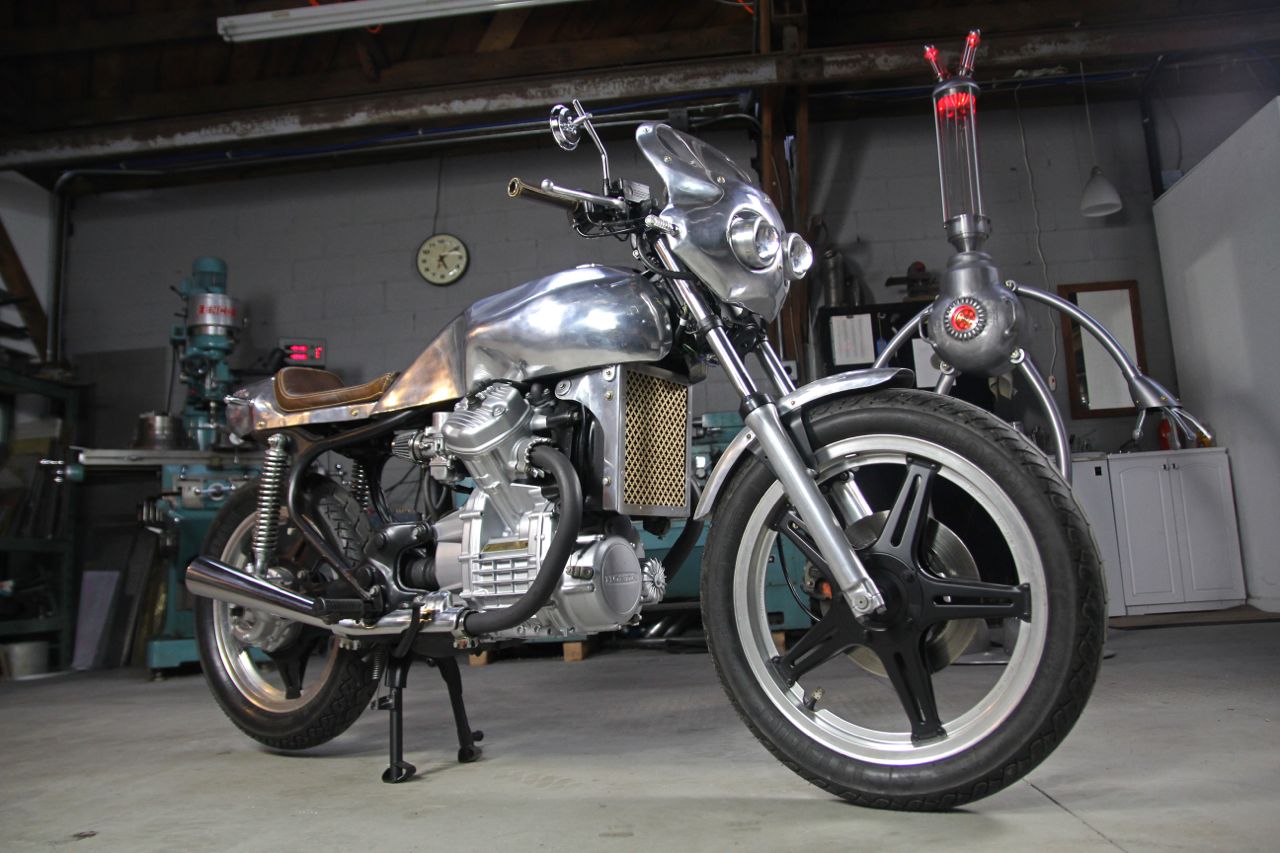
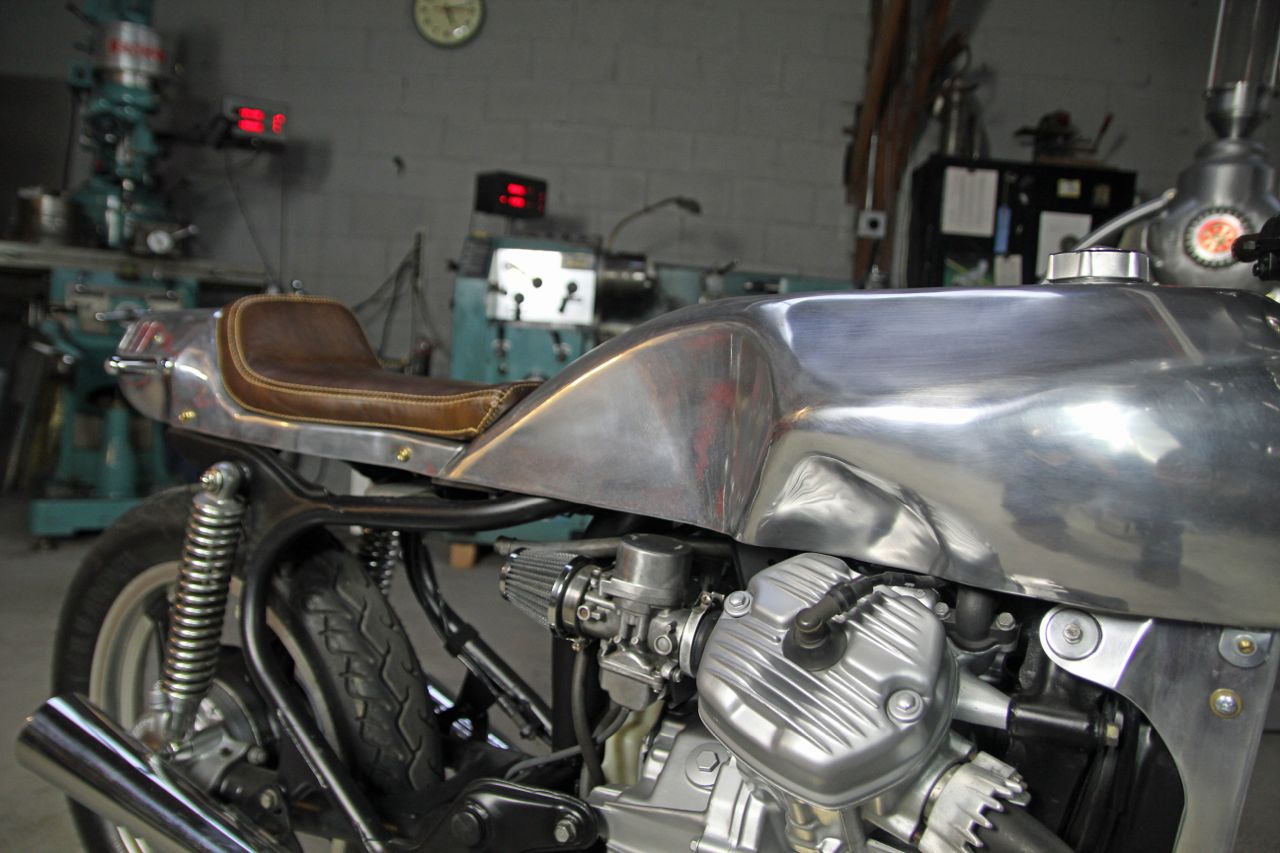
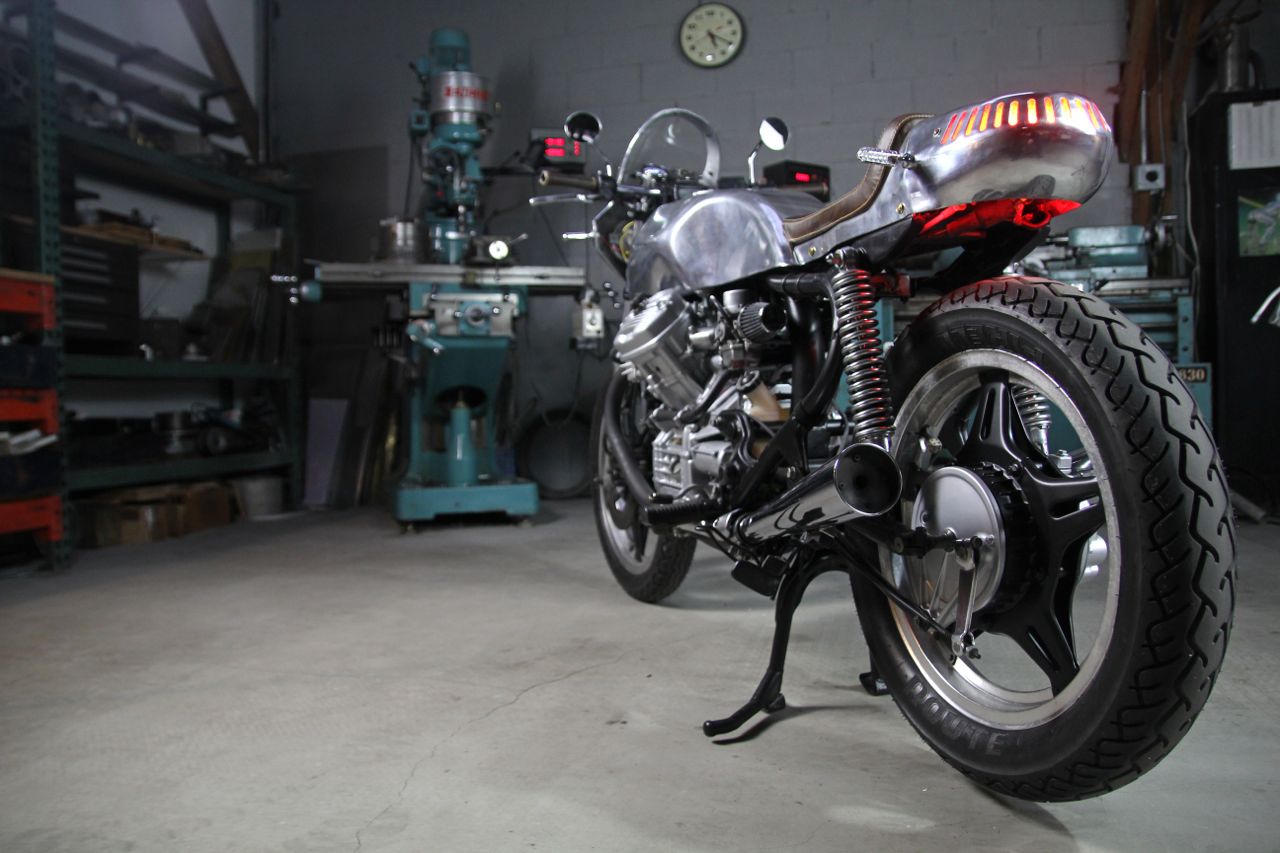
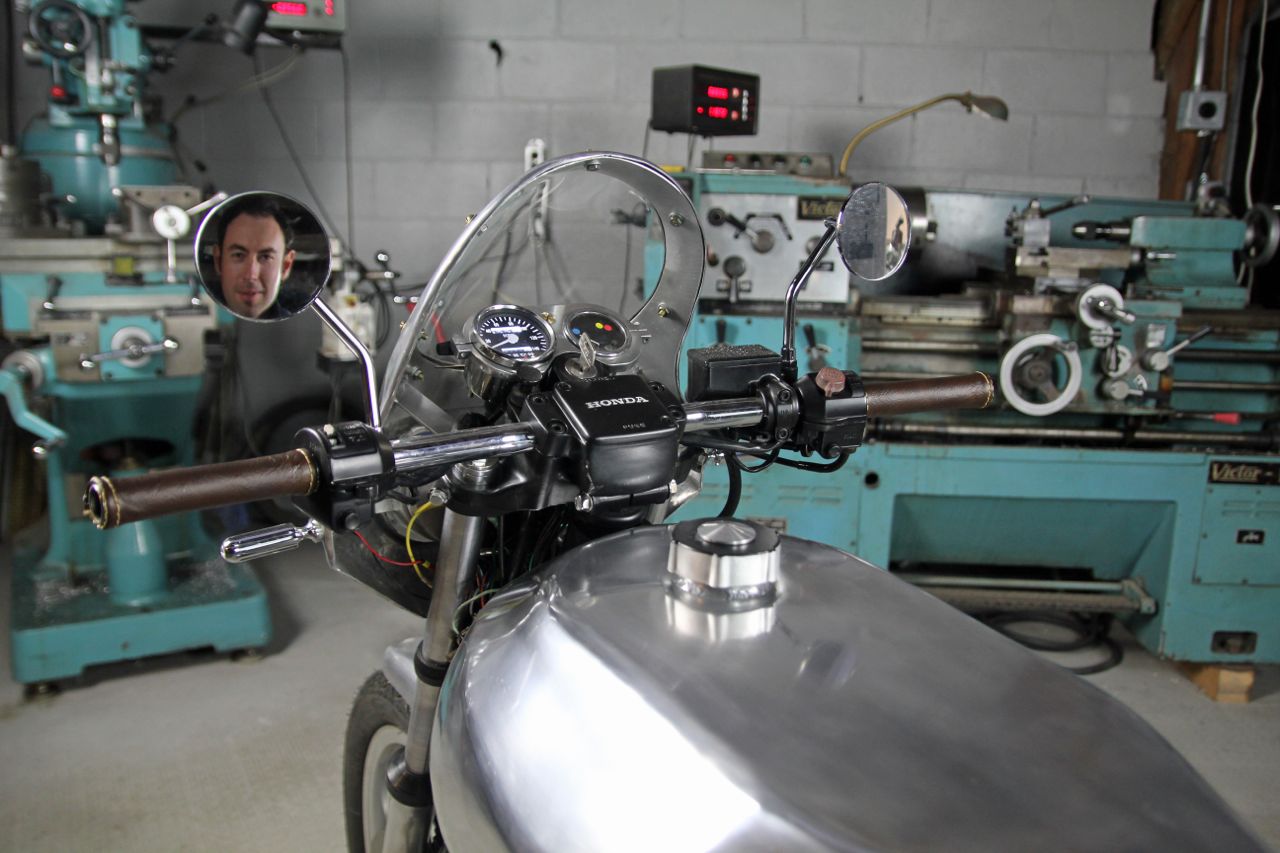
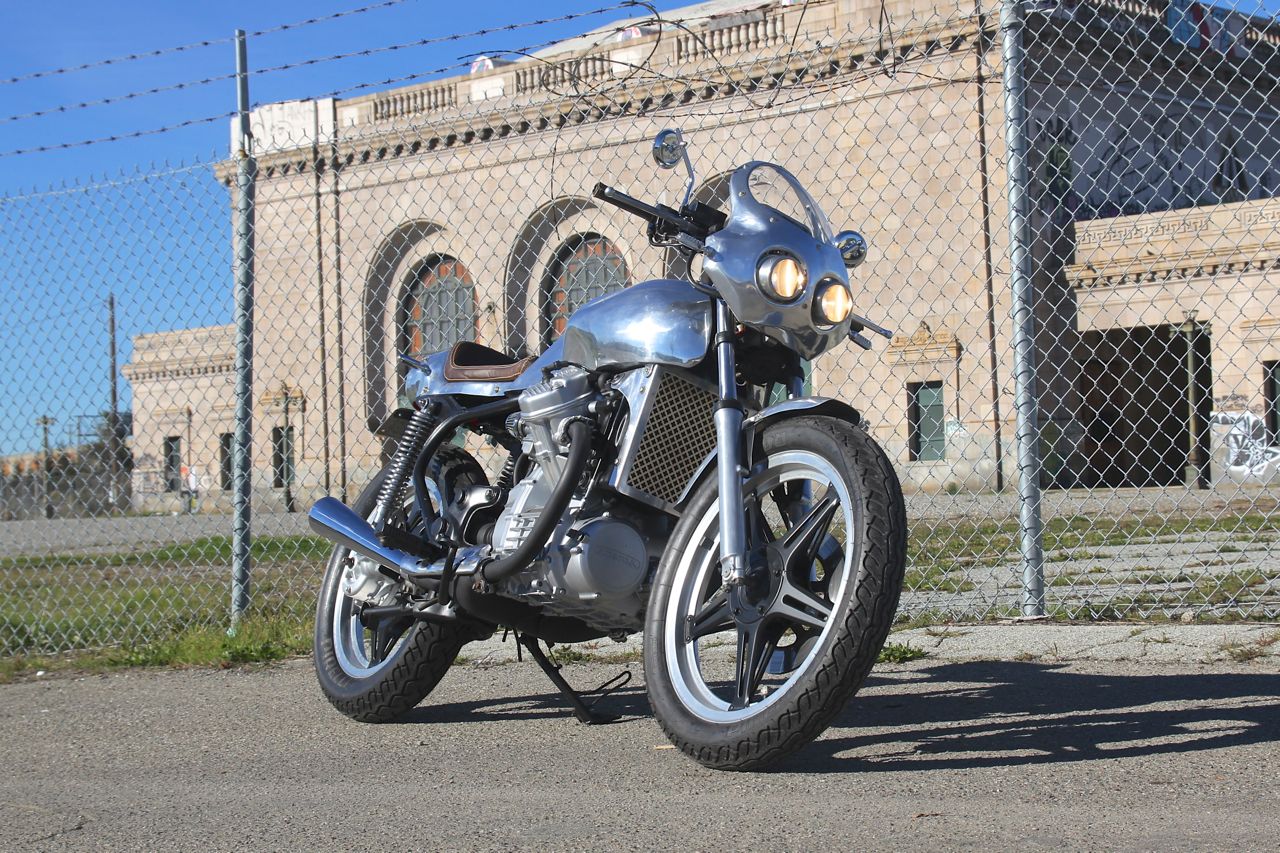
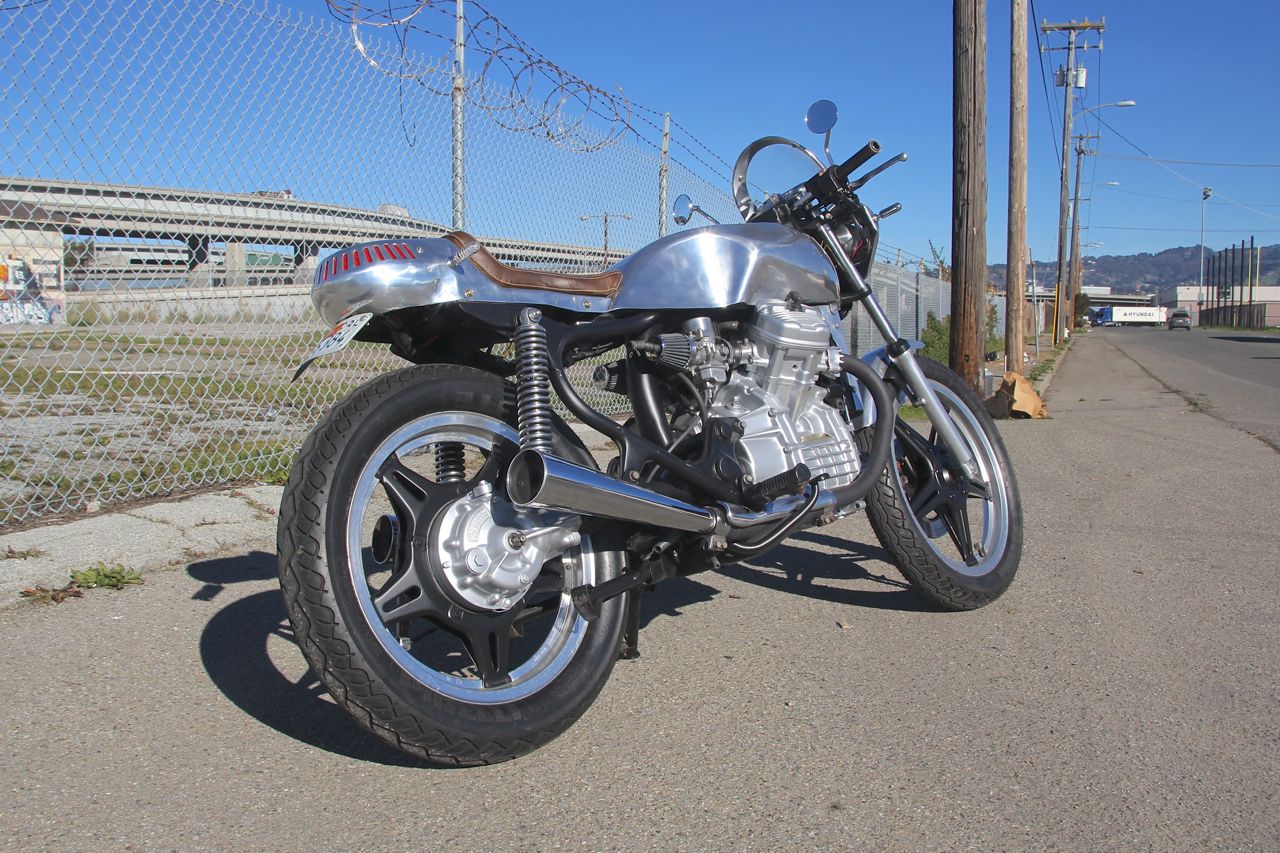
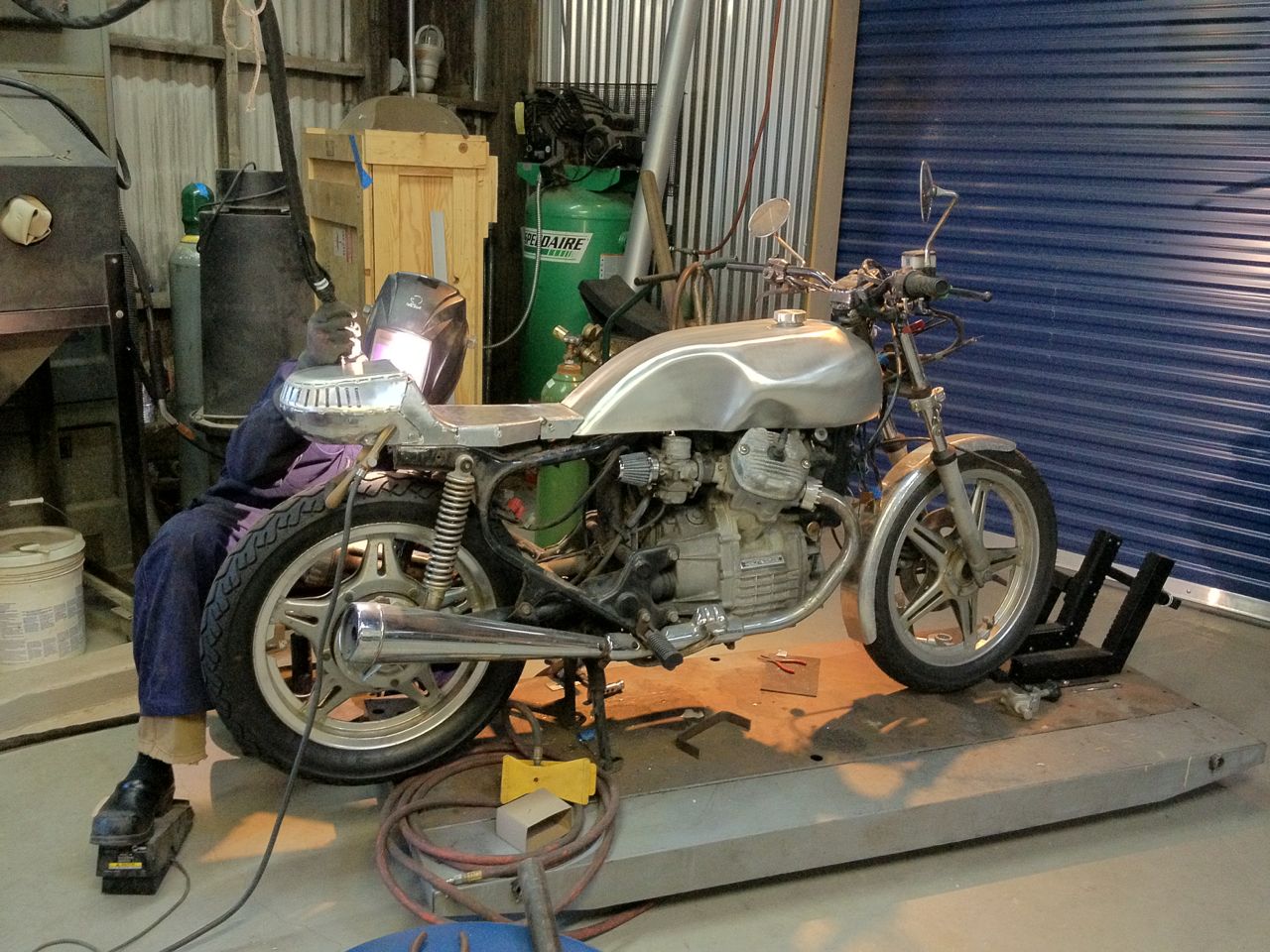
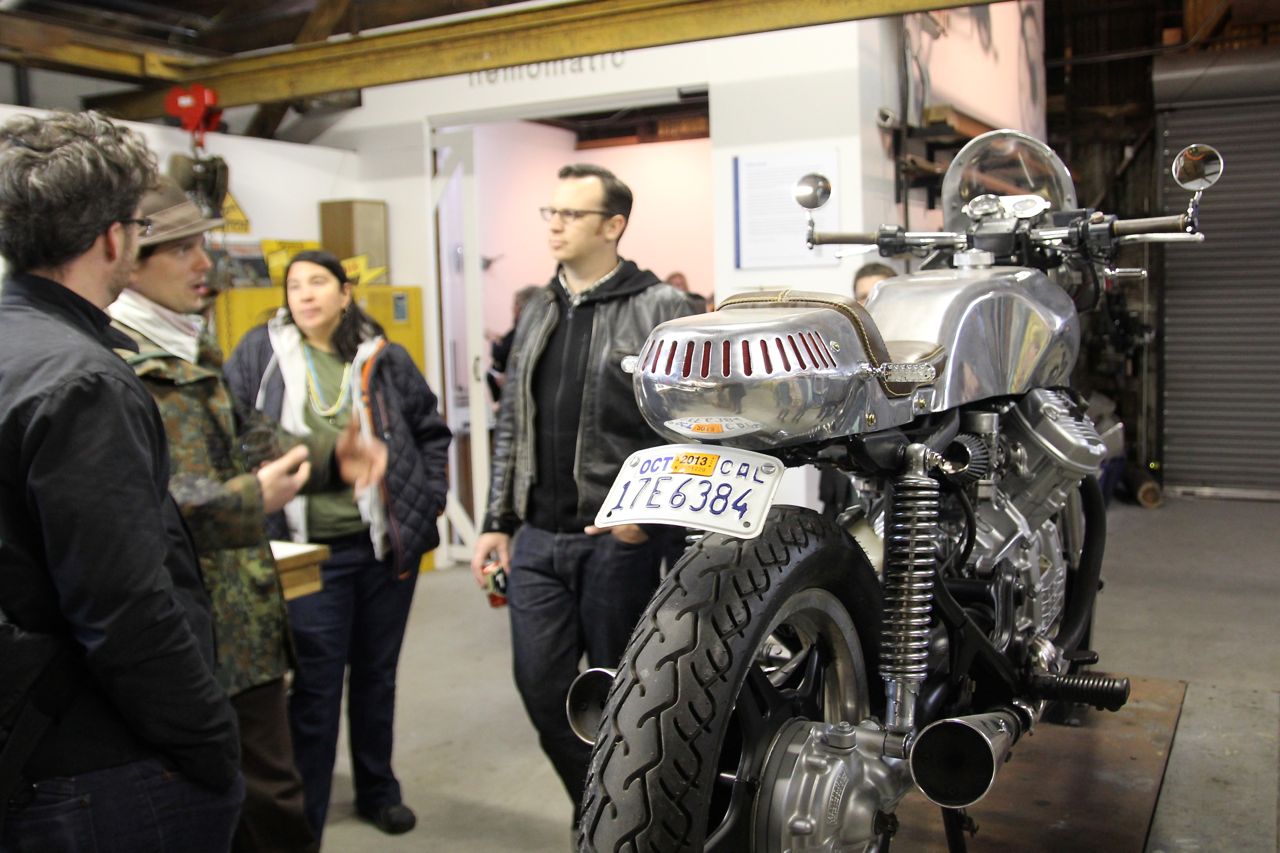
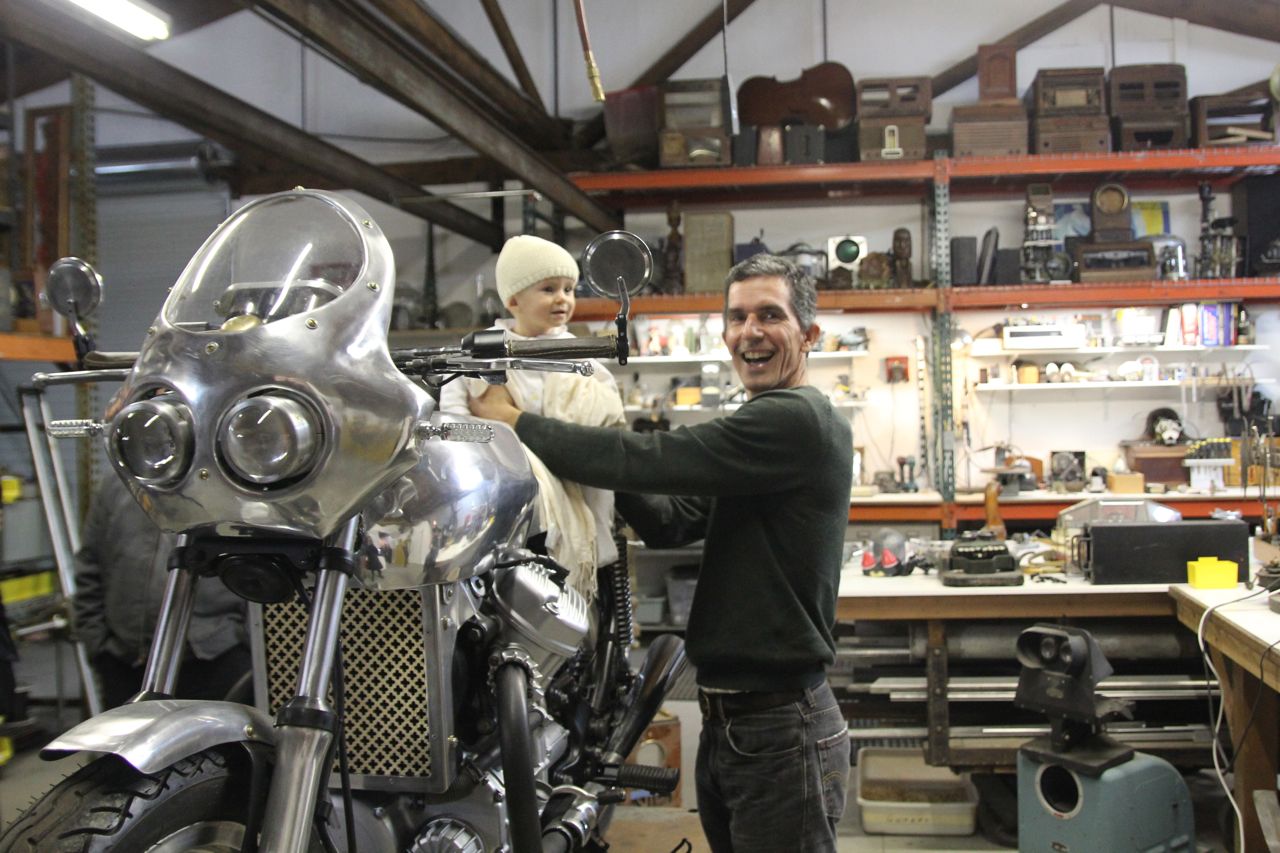
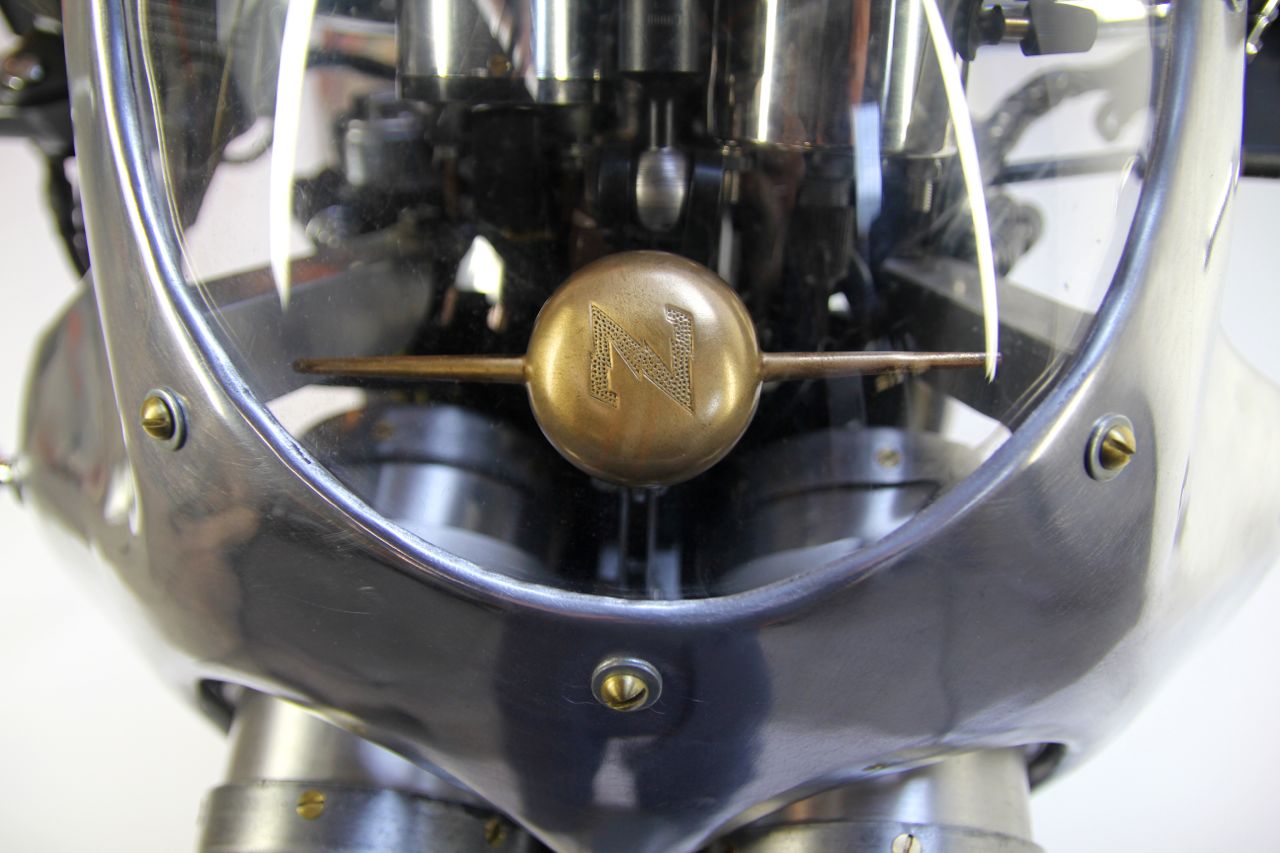
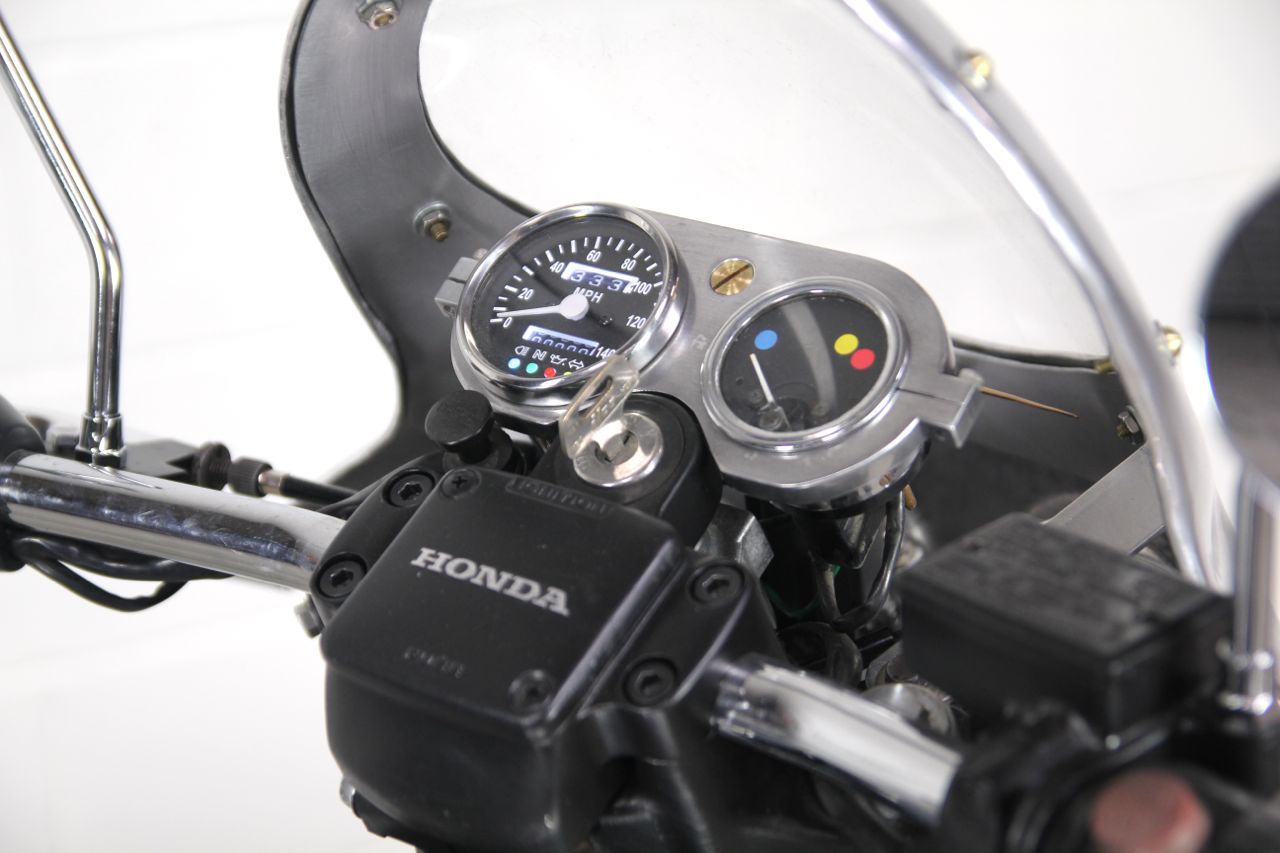
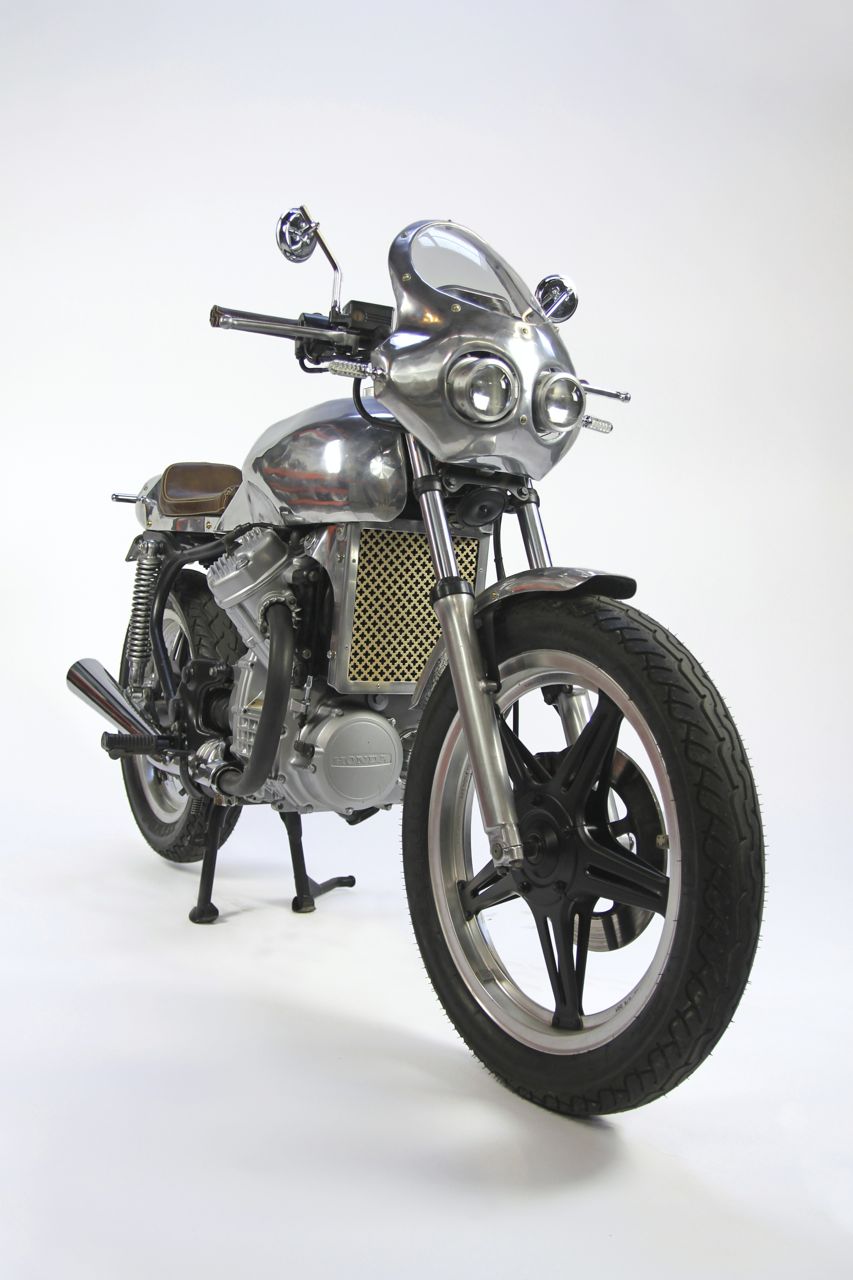
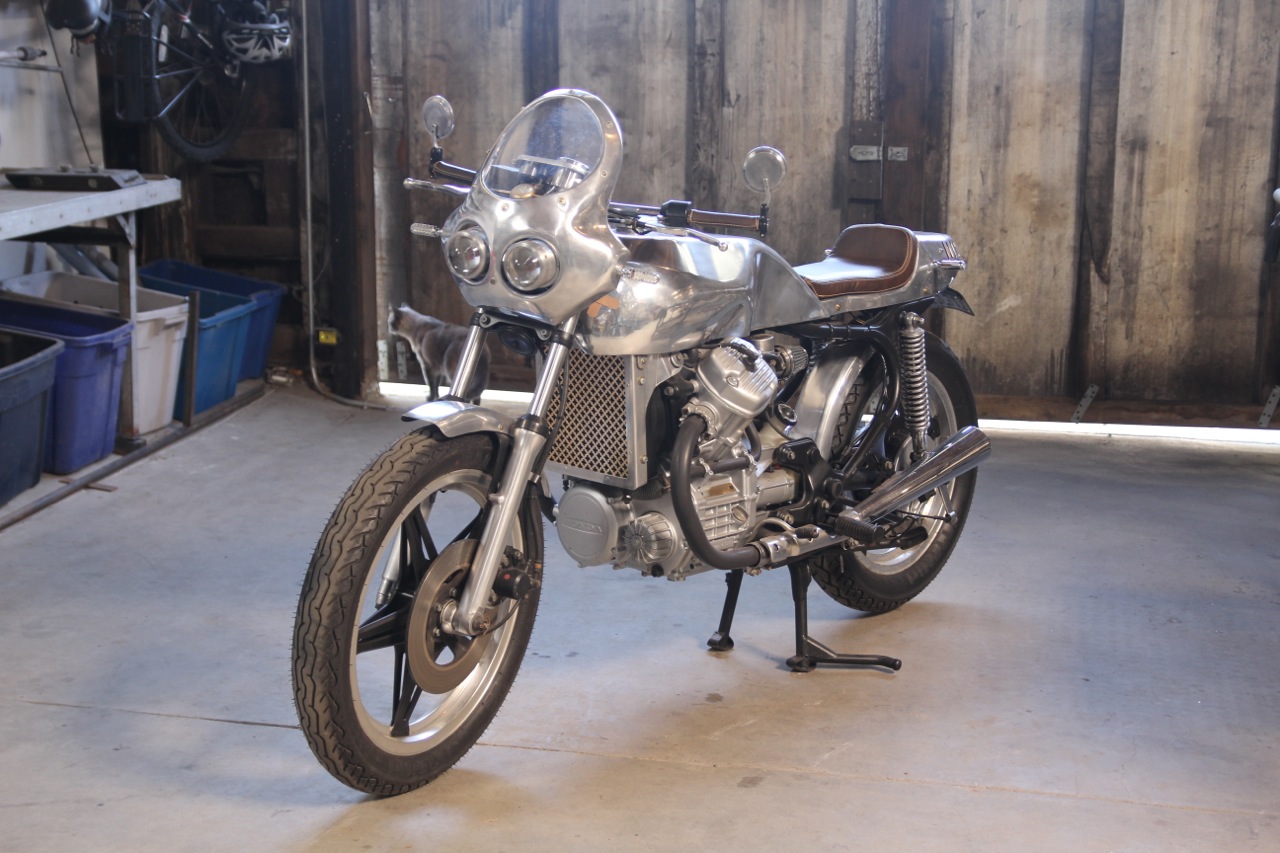
This project is the culmination of years of scheming and months of work.  What makes it most significant in reference to the rest of my sculpture portfolio is that all of the body work was formed by hand from flat sheets of aluminum, not assembled from found forms.

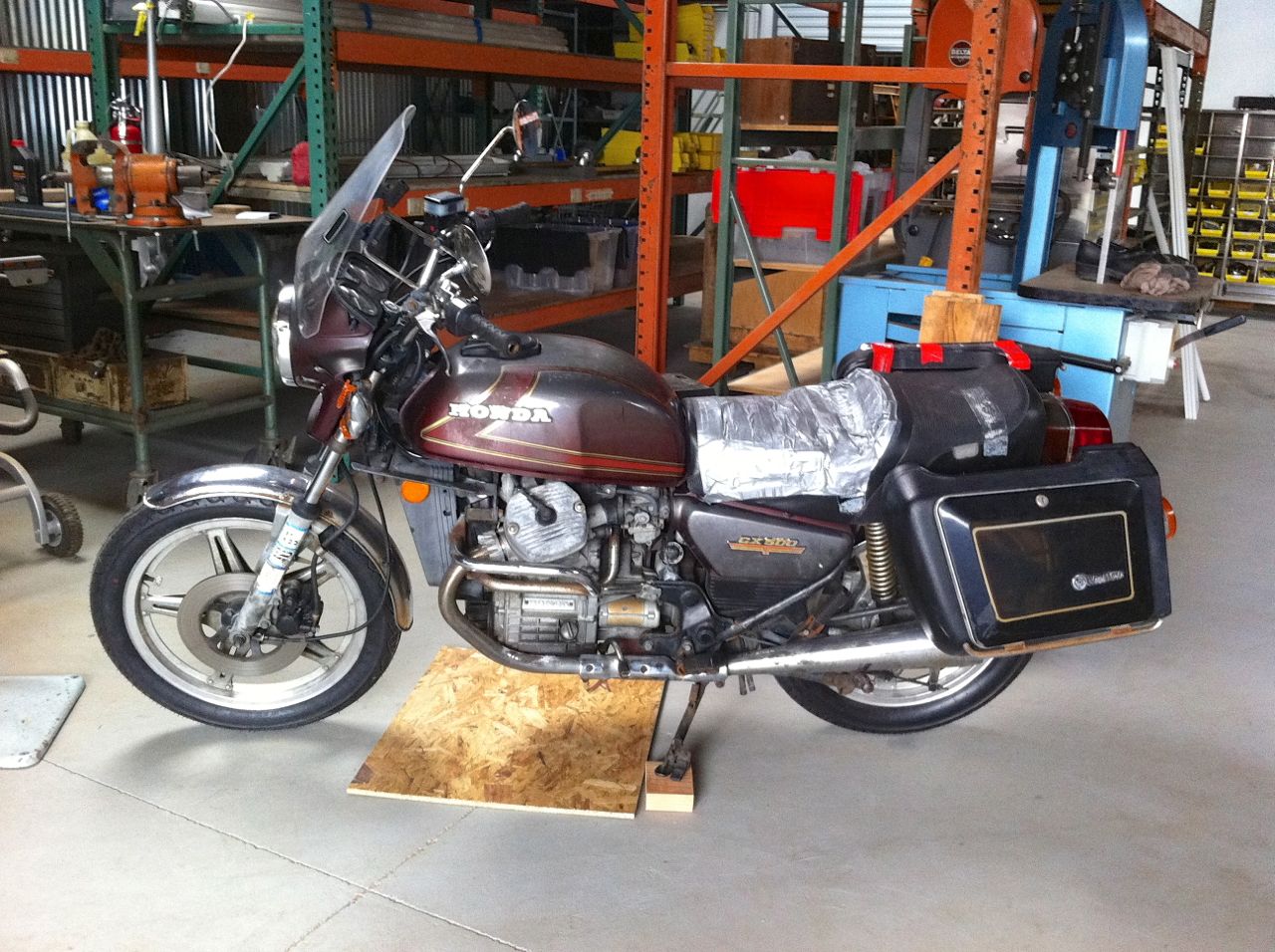
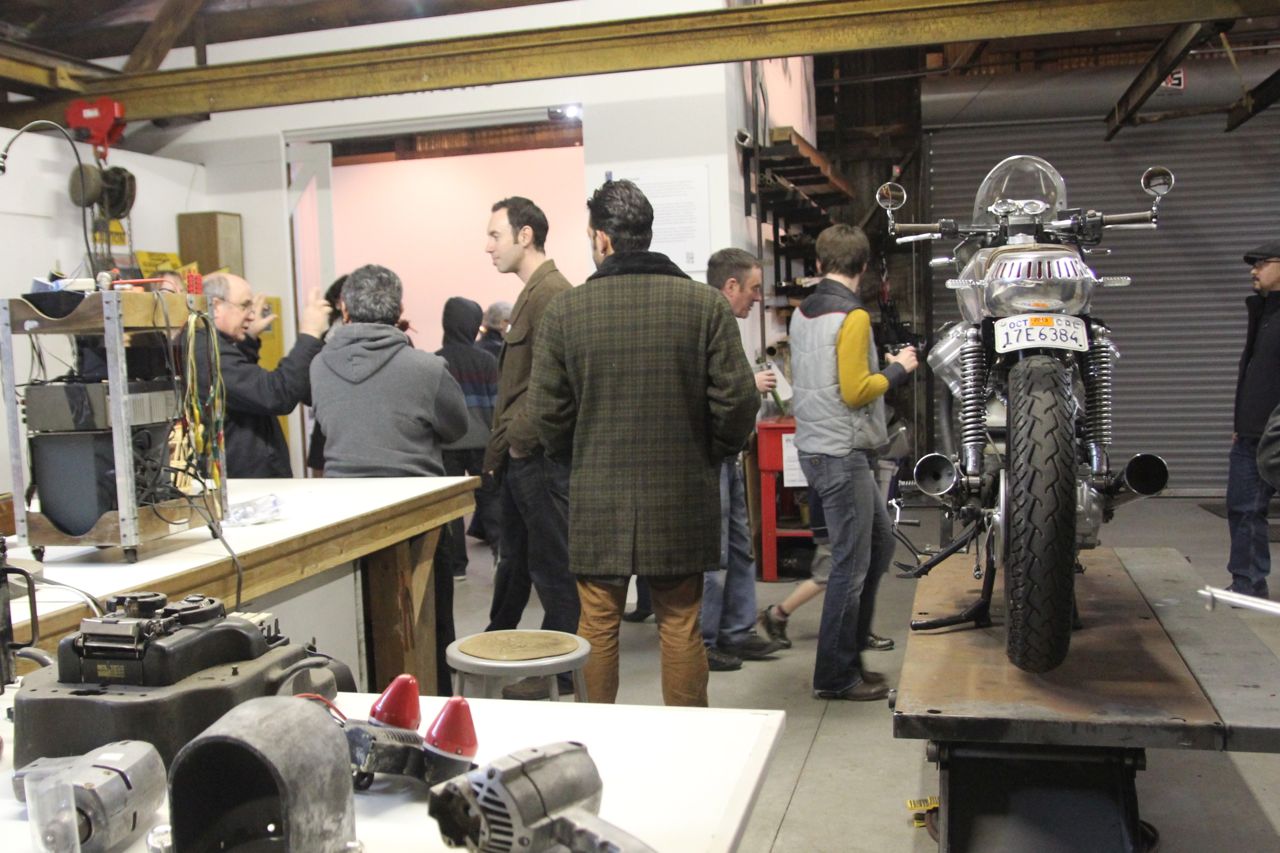
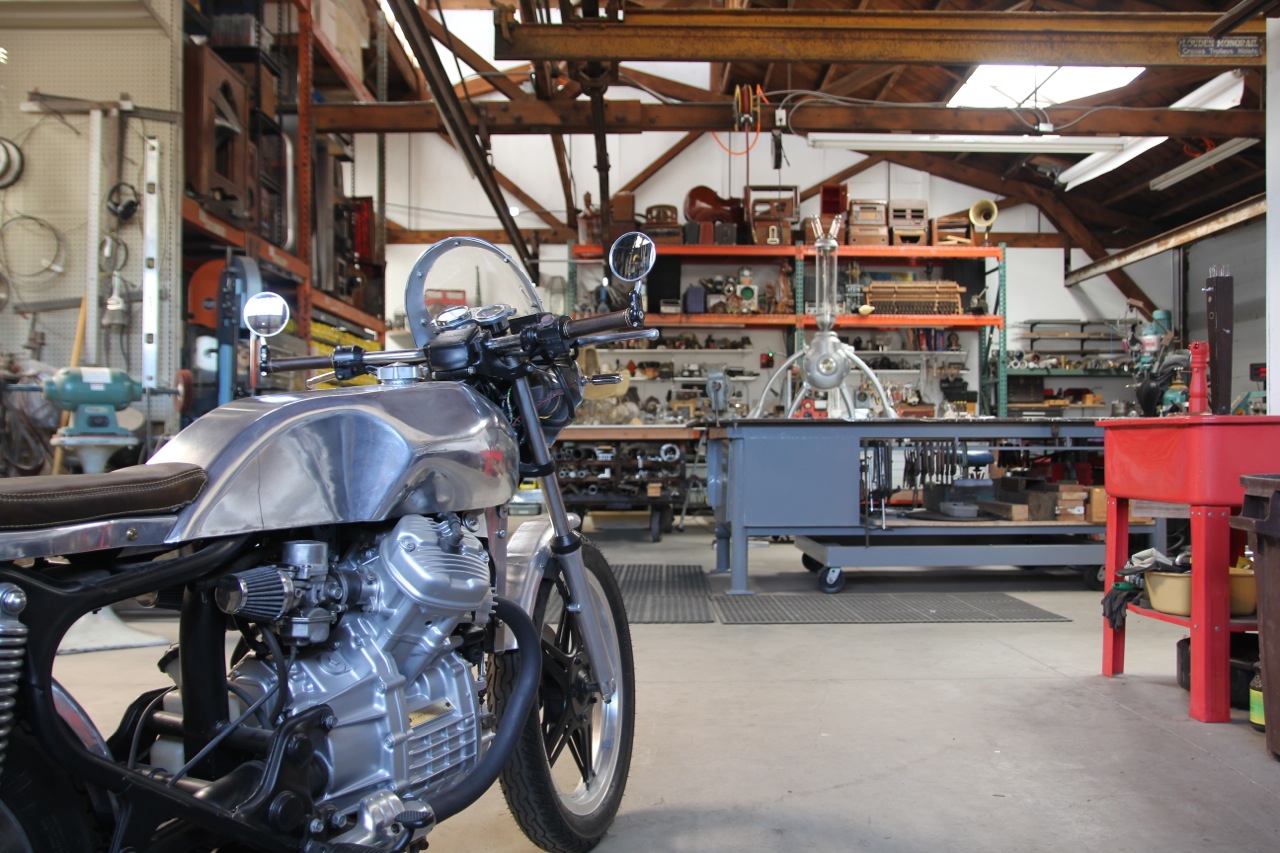
The project began with a donated, not running, 1979 Honda CX500 motorcycle.  I immediately set to work stripping off all of the bikes “identity” in the form of body work and moulded plastic.  A good deal of time and effort was invested into learning the techniques required to replace these elements with those of my own design.  Once this was achieved the mechanical components were all refurbished, repaired, repainted, or replaced depending on their individual need.

My goal with this project was to produce a fully functional motorcycle that was “Classic, without being nostalgic”.  I wanted a break from the murky purpose of producing art, a beautiful machine that I could use, and the development of some new skills that would inform future projects.

I’m very pleased with the results, and could not have achieved them without the constant support of my friends Jason Anderson (who consulted with me almost daily on the nuances of motorcycle maintenance and design) and Wendell Jones (who supplied a good deal of spare parts and wisdom along the way).

For those wondering, “Cache Racer” is a pun on “Cafe Racer” style motorcycles.

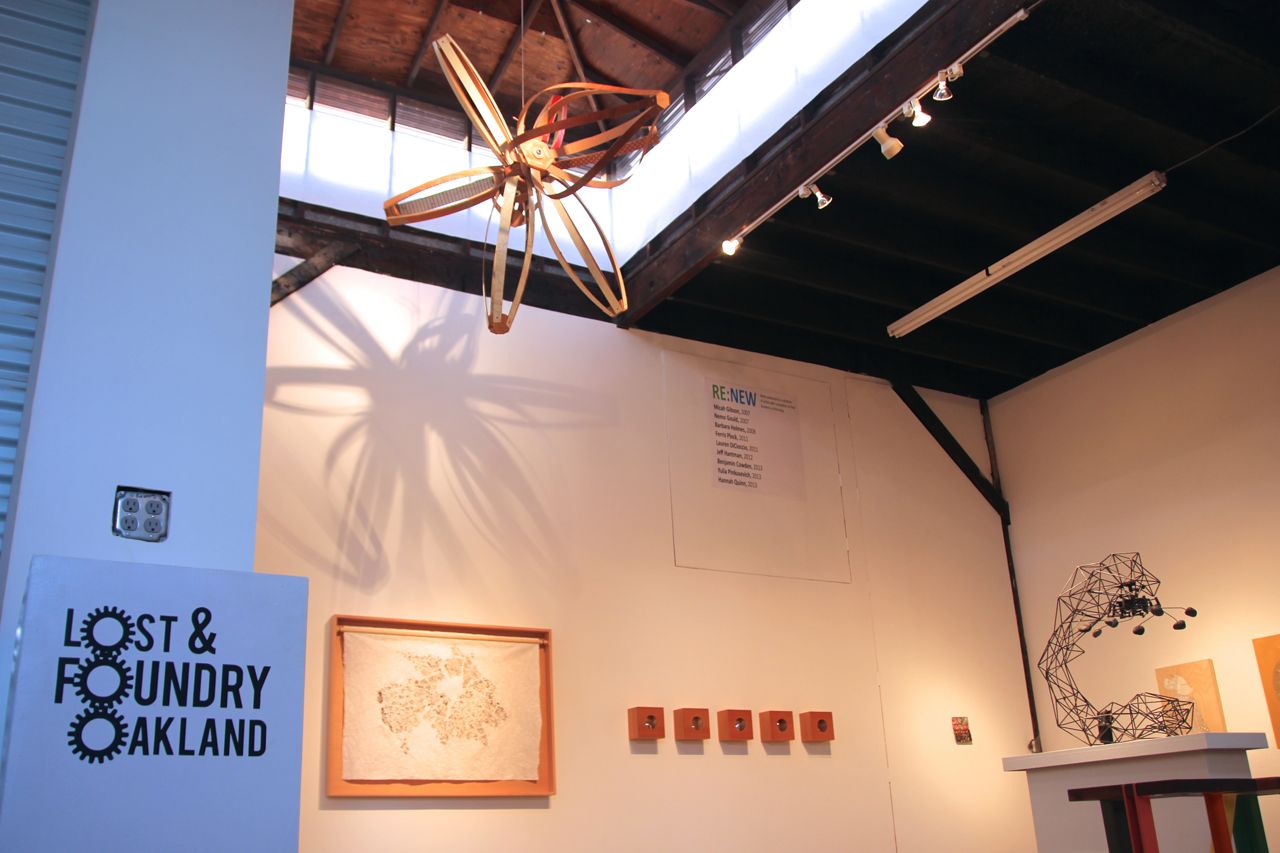
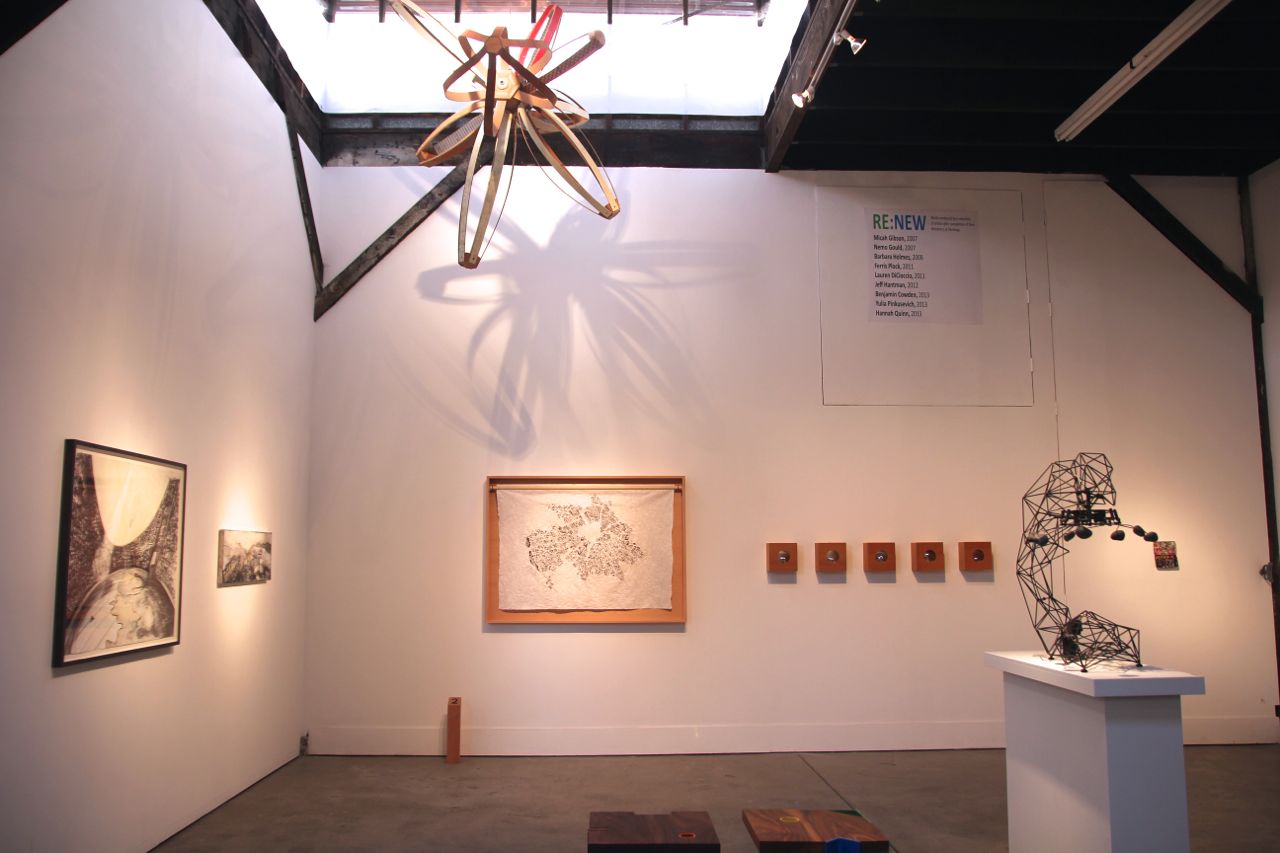
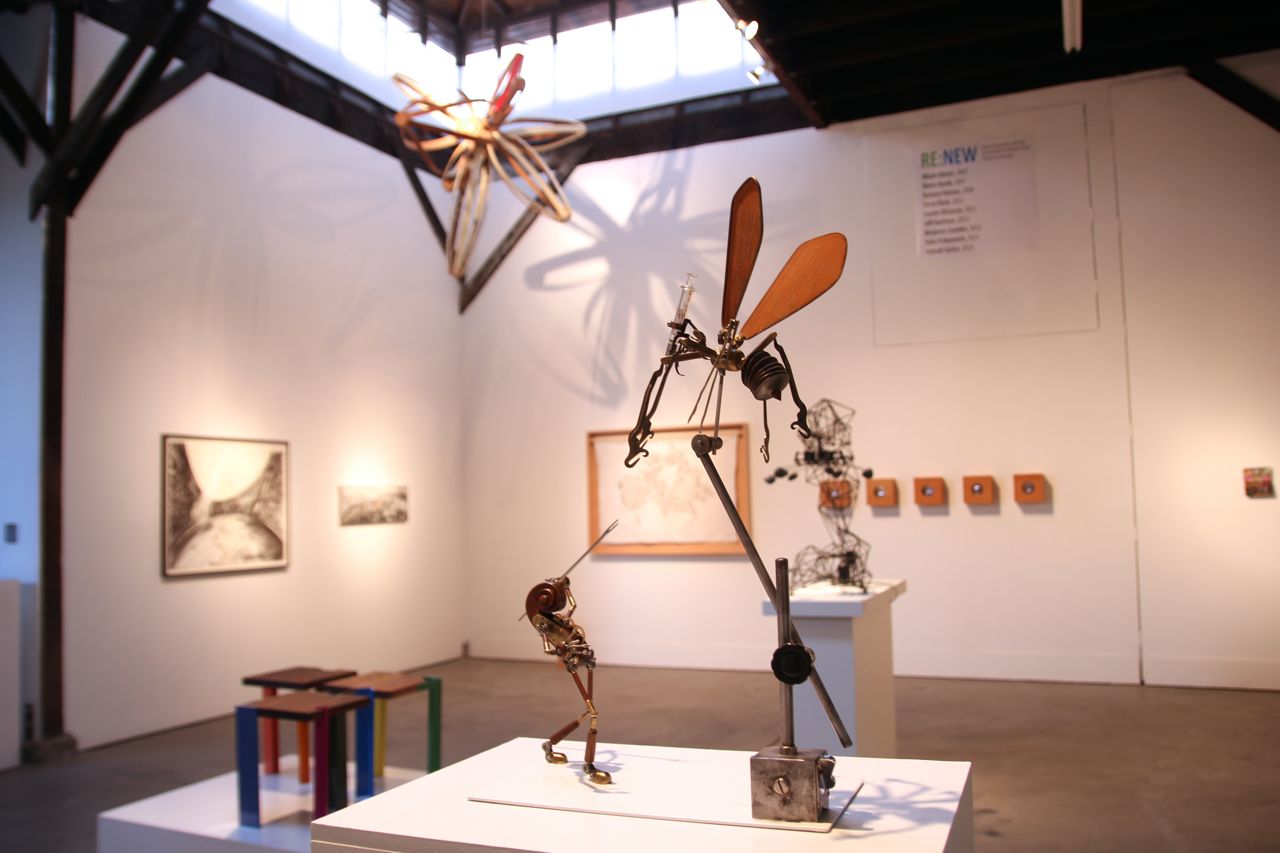
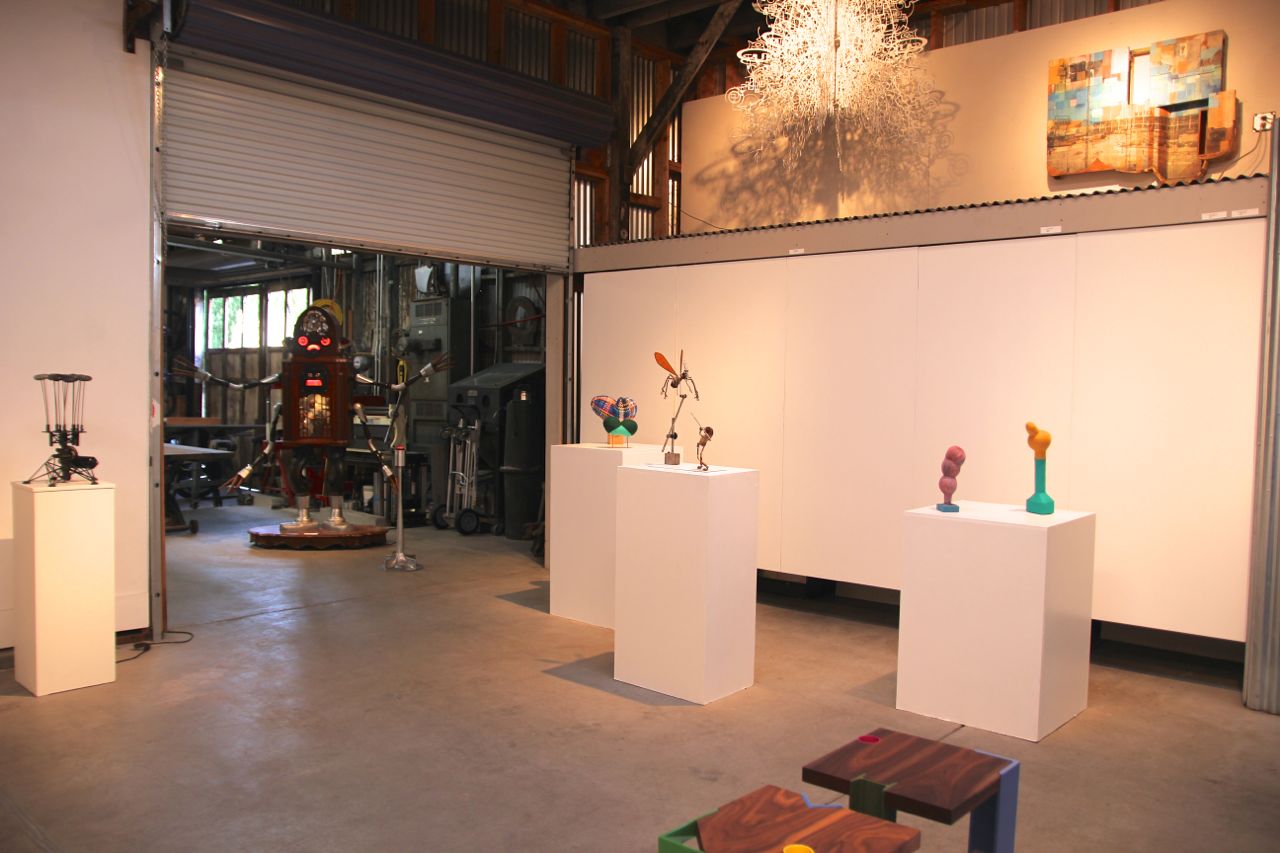
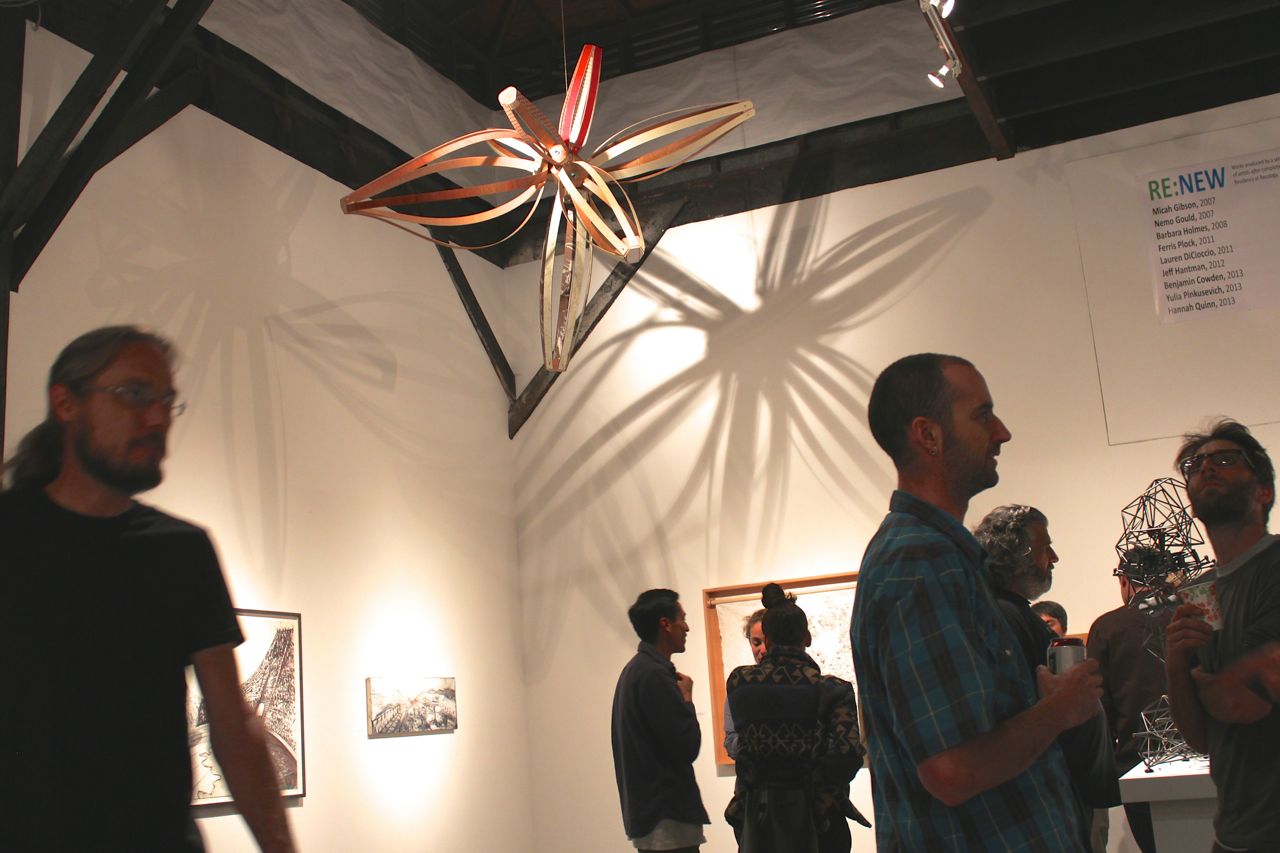
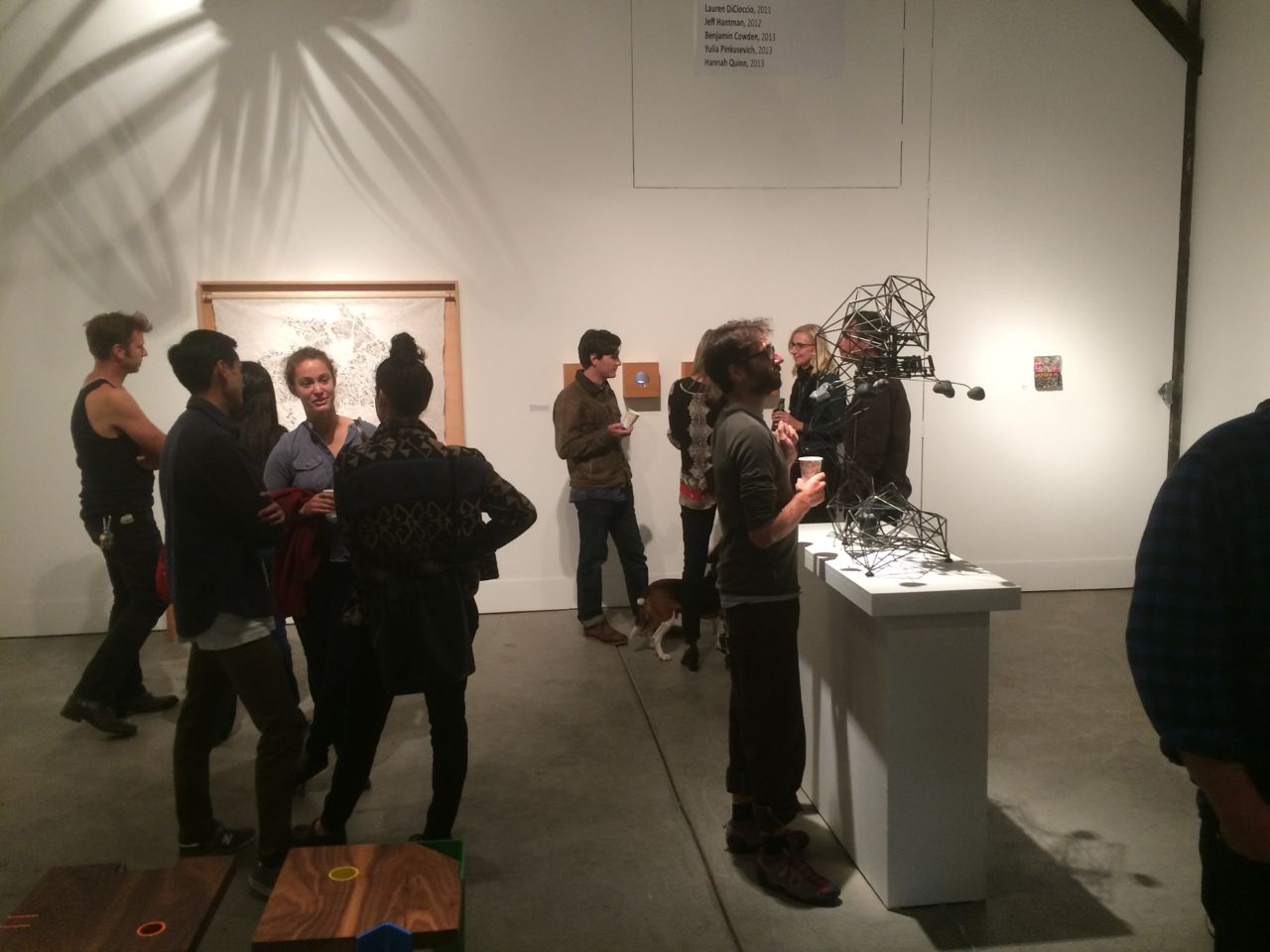
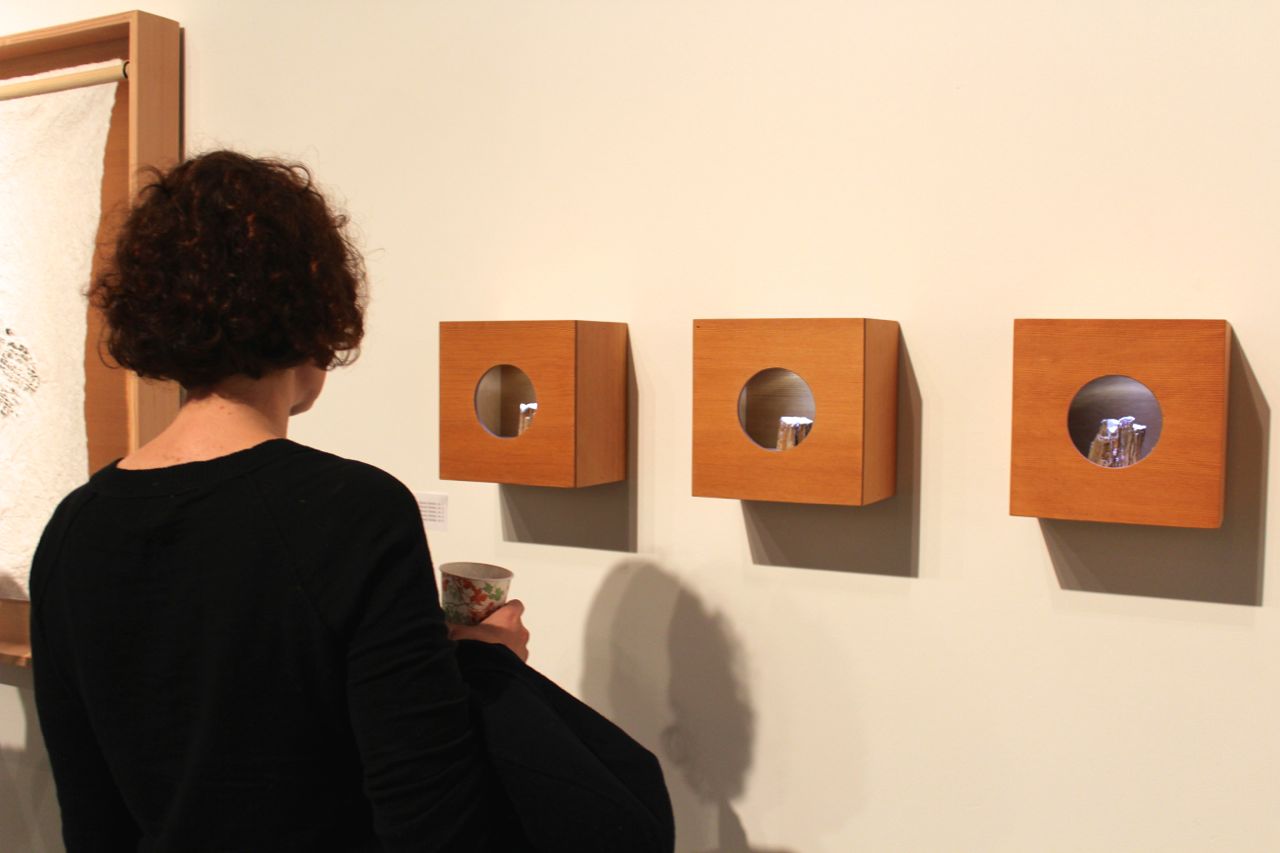
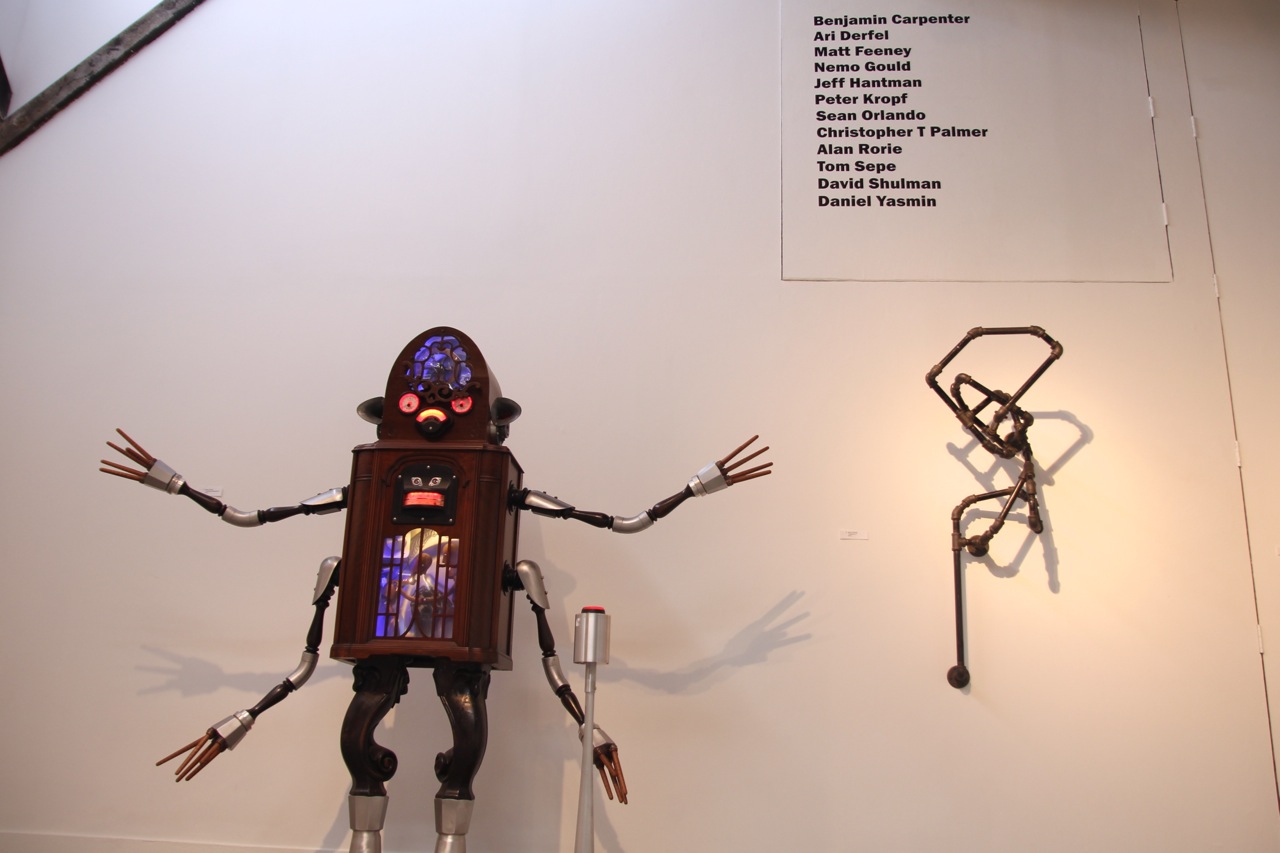
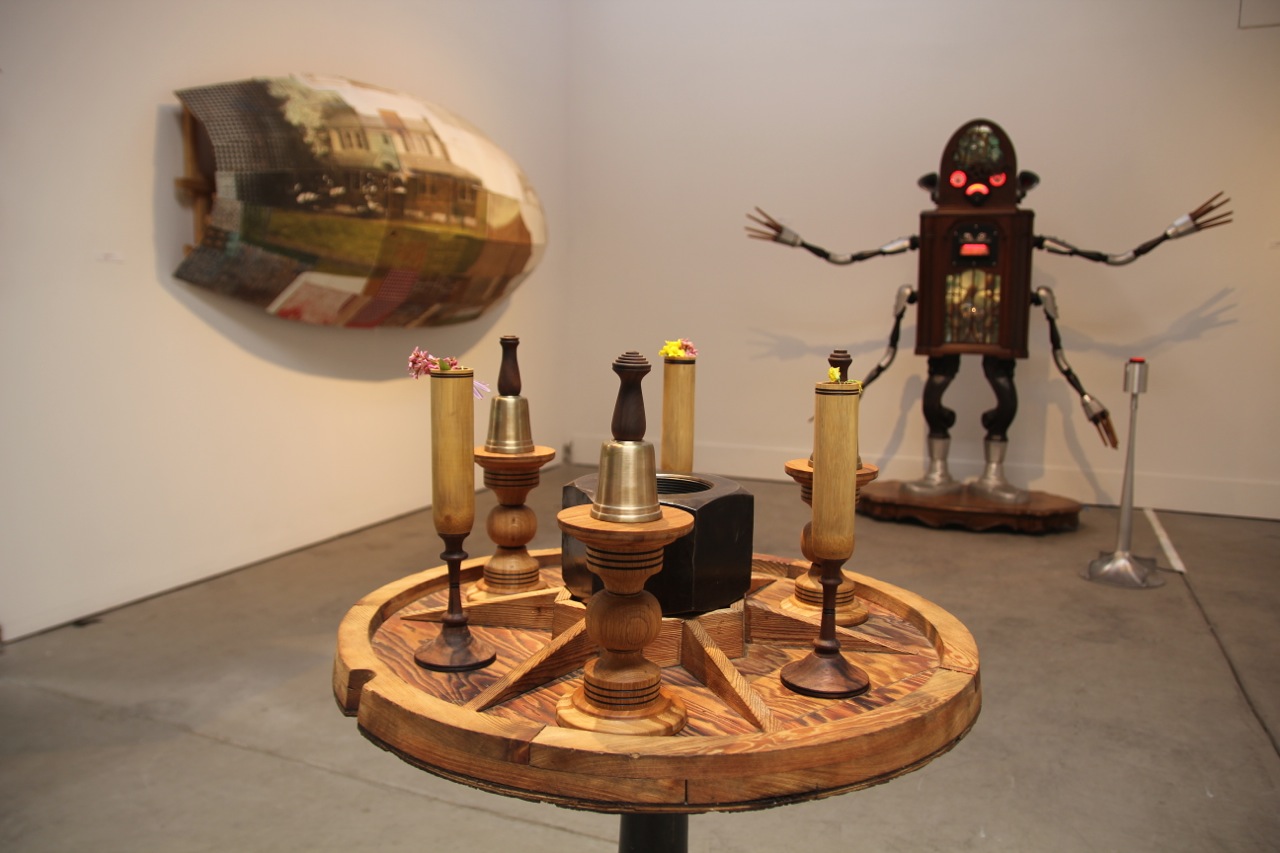
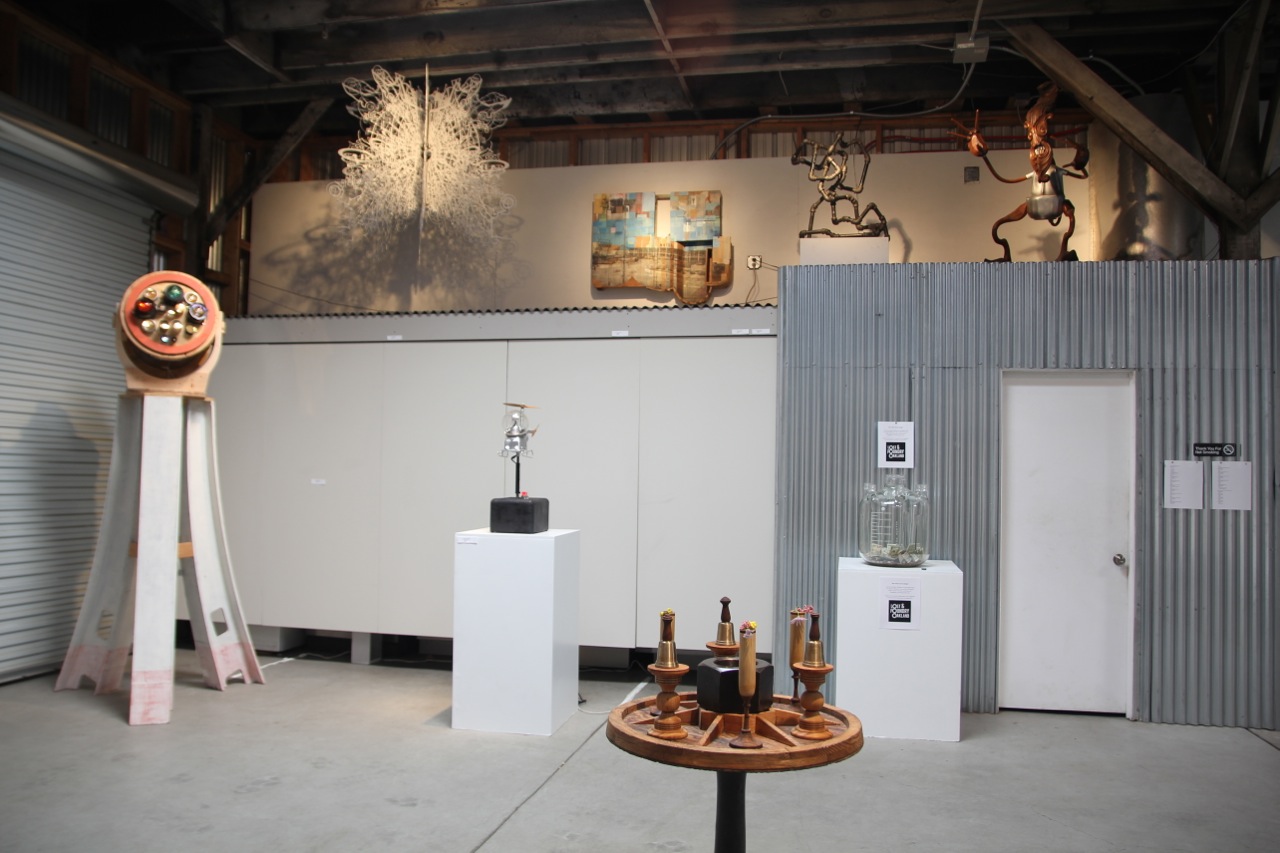
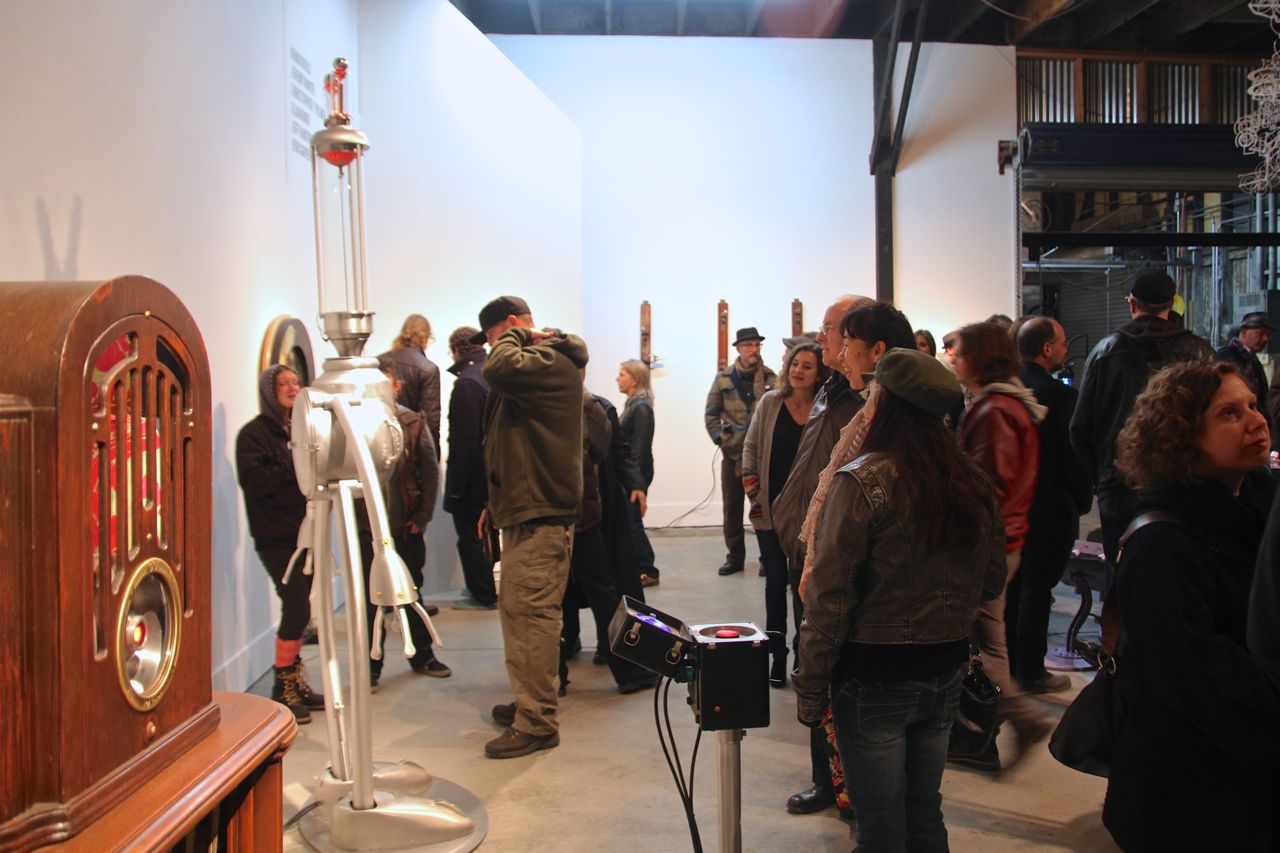
On October 25th, 2014 Lost & Foundry Studios and Gallery presented Re:New, an exhibit featuring work created by a selection of artists after they completed their residencies at Recology’s Artist in Residence program.
For nearly 25 years Recology’s Artist in Residence program at the San Francisco Dump has been providing artists with the facilities and support necessary to make art from the city’s waste stream. Over 100 artists have passed through the program making their own personal statements about art, waste, and reuse. Through the years Recology has amassed an impressive collection of these works, and has worked hard to exhibit them throughout the city at a variety of venues.
Lost & Foundry co-directors Nemo Gould and Jeff Hantman are both alums of Recology, and have felt the impact this program has had on their work. For this exhibit they pooled together several diverse artists who have been similarly impacted by their experience, and demonstrate Recology’s role in shaping art in the Bay Area.

Featured artists (year in residence):

Micah Gibson (2007)
Nemo Gould (2007)
Barbara Holmes (2008)
Ferris Plock (2011)
Lauren DiCioccio (2011)
Jeff Hantman (2012)
Benjamin Cowden (2013)
Yulia Pinkusevich (2013)
Hannah Quinn (2013)

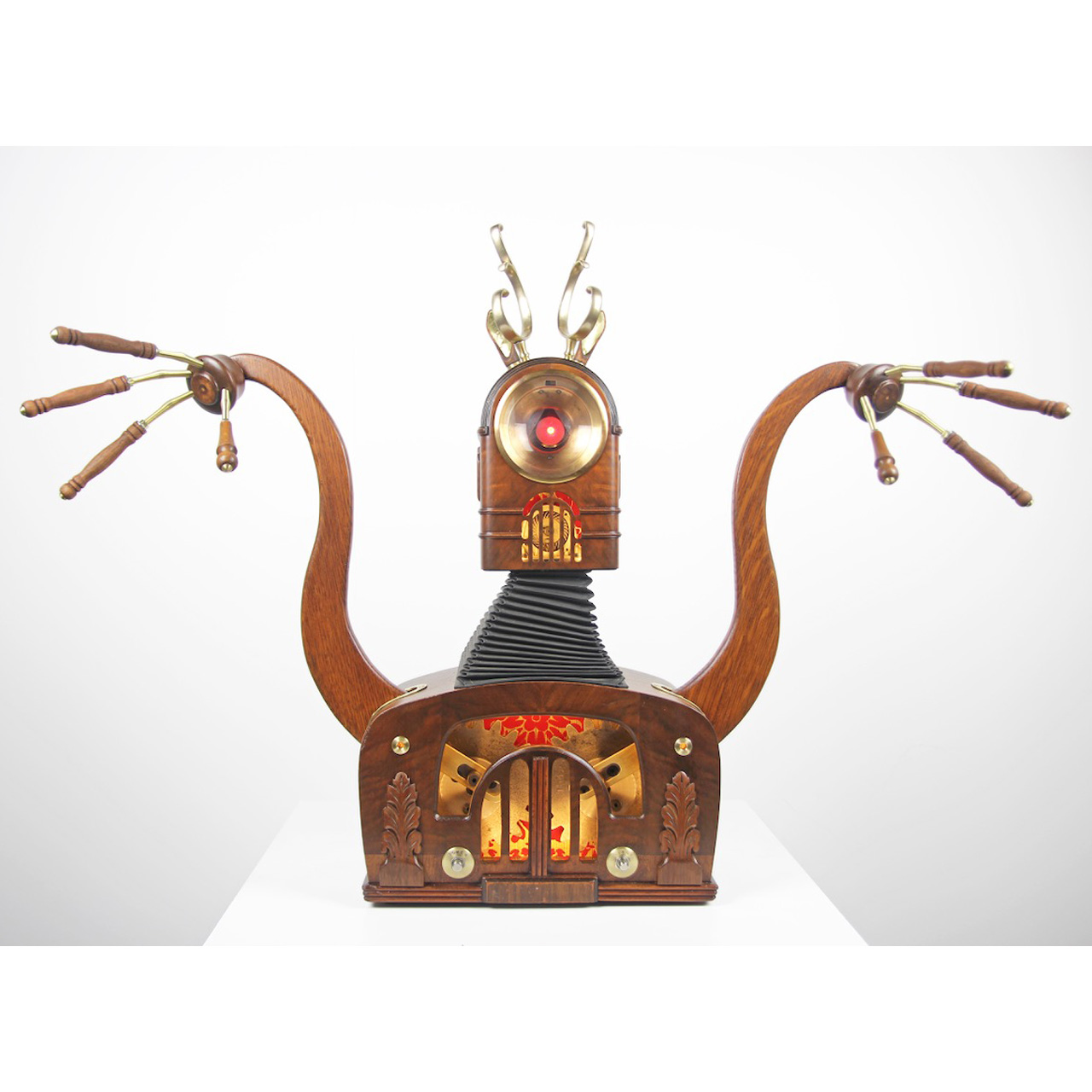
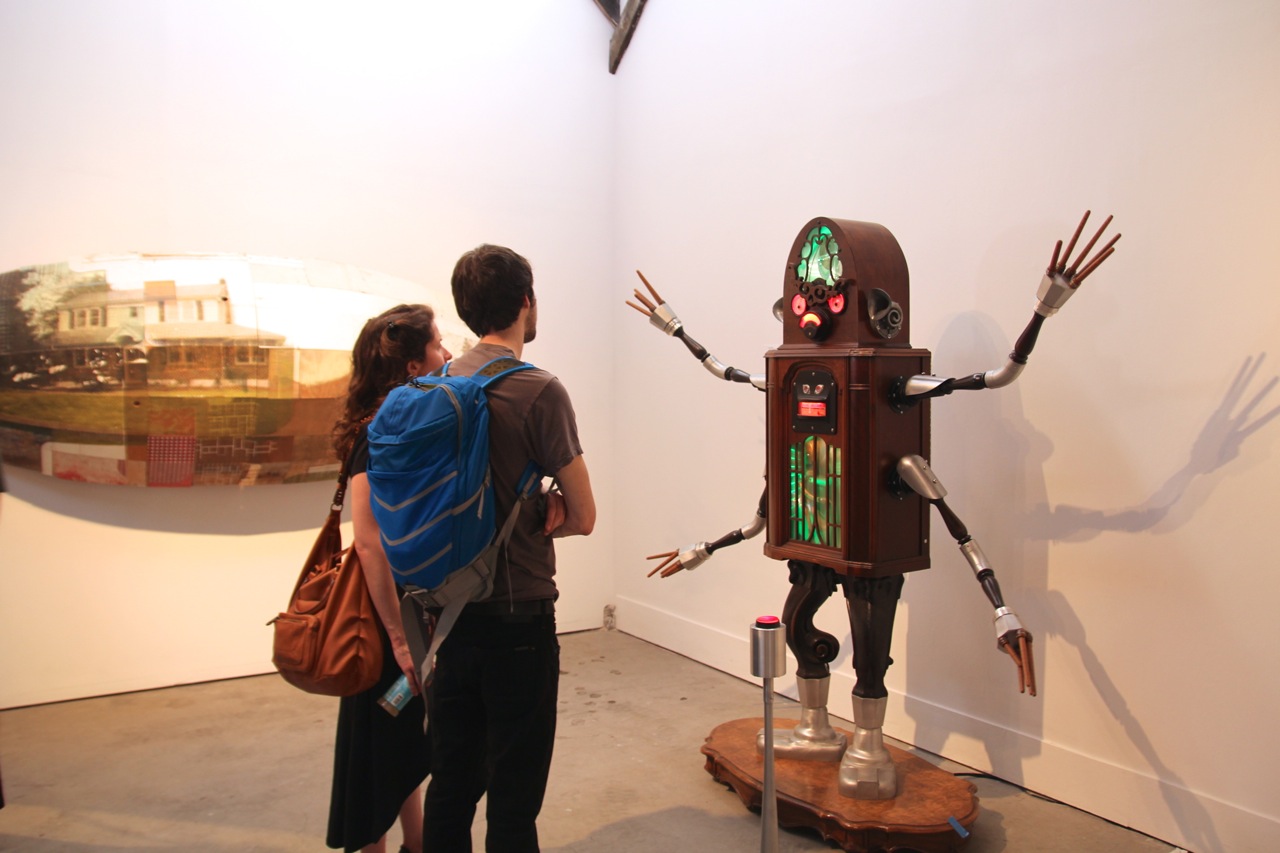
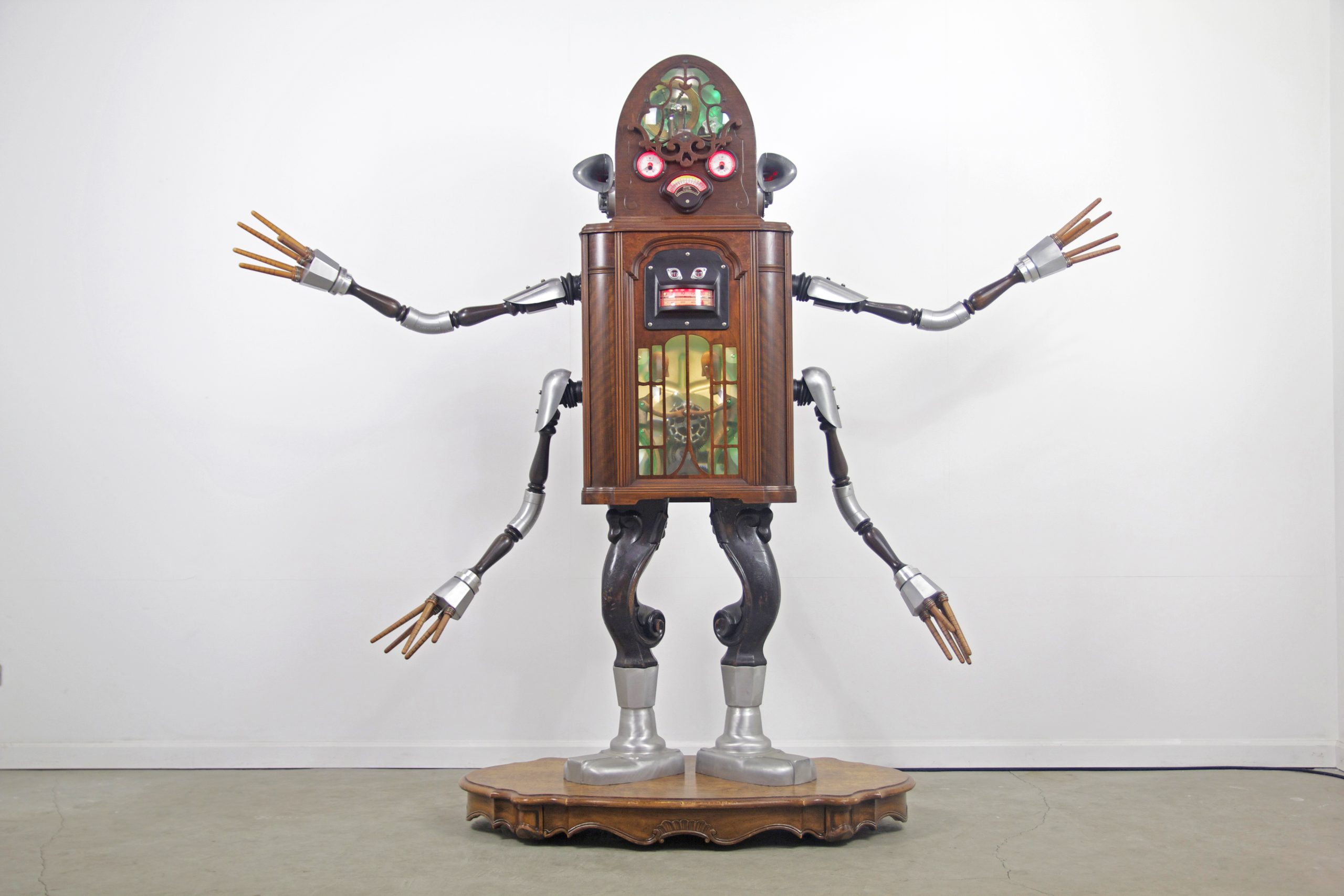
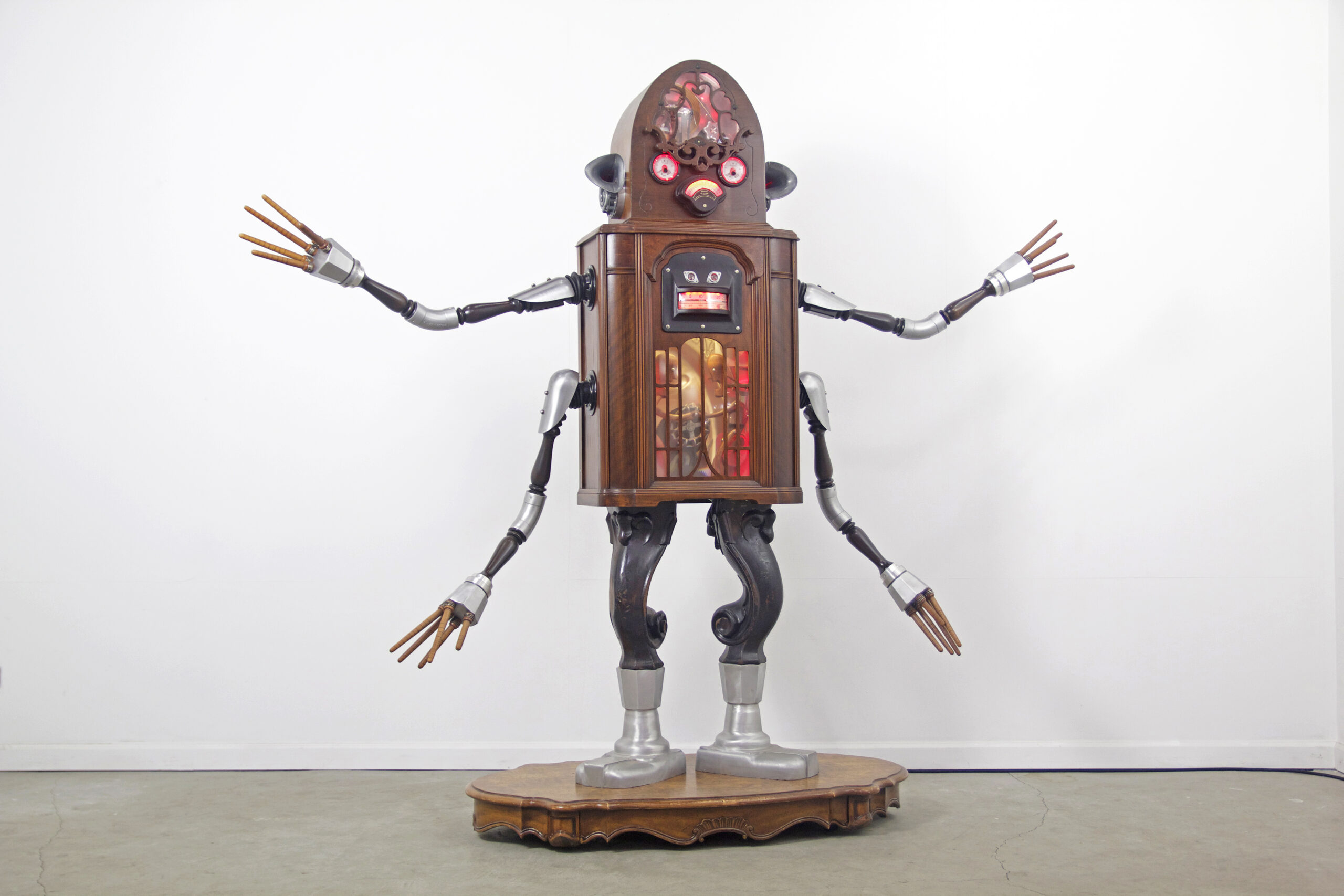
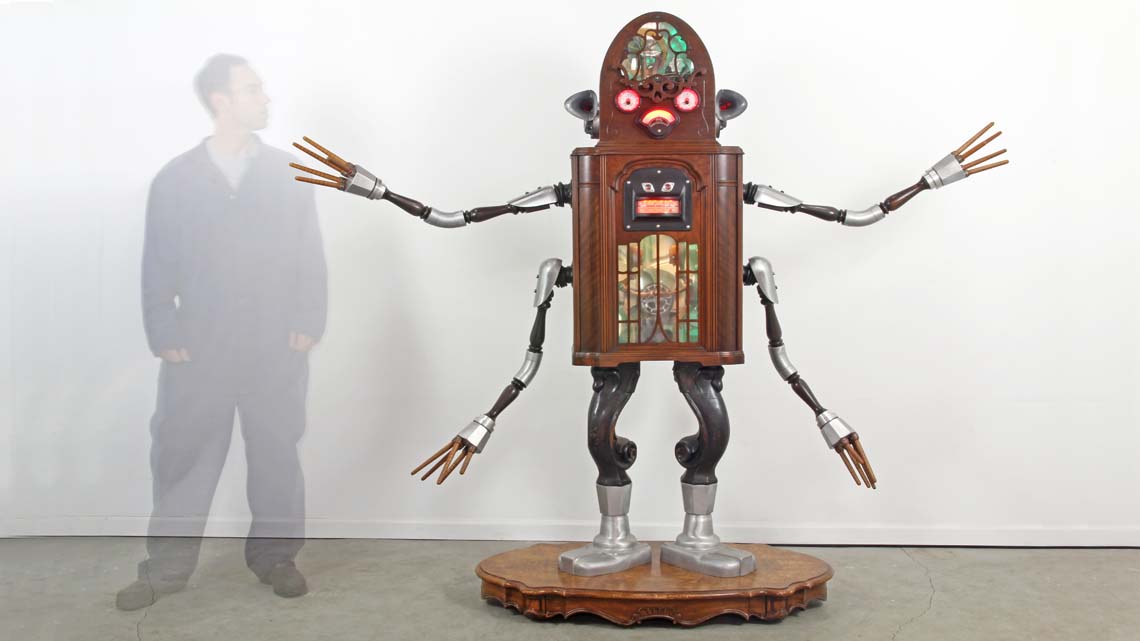
Parlorgeist is the living spirit of all of the obsolete machines in your house. Beware his hypnotic dance as he attempts to lure you into the same complacency that long ago sealed his fate.

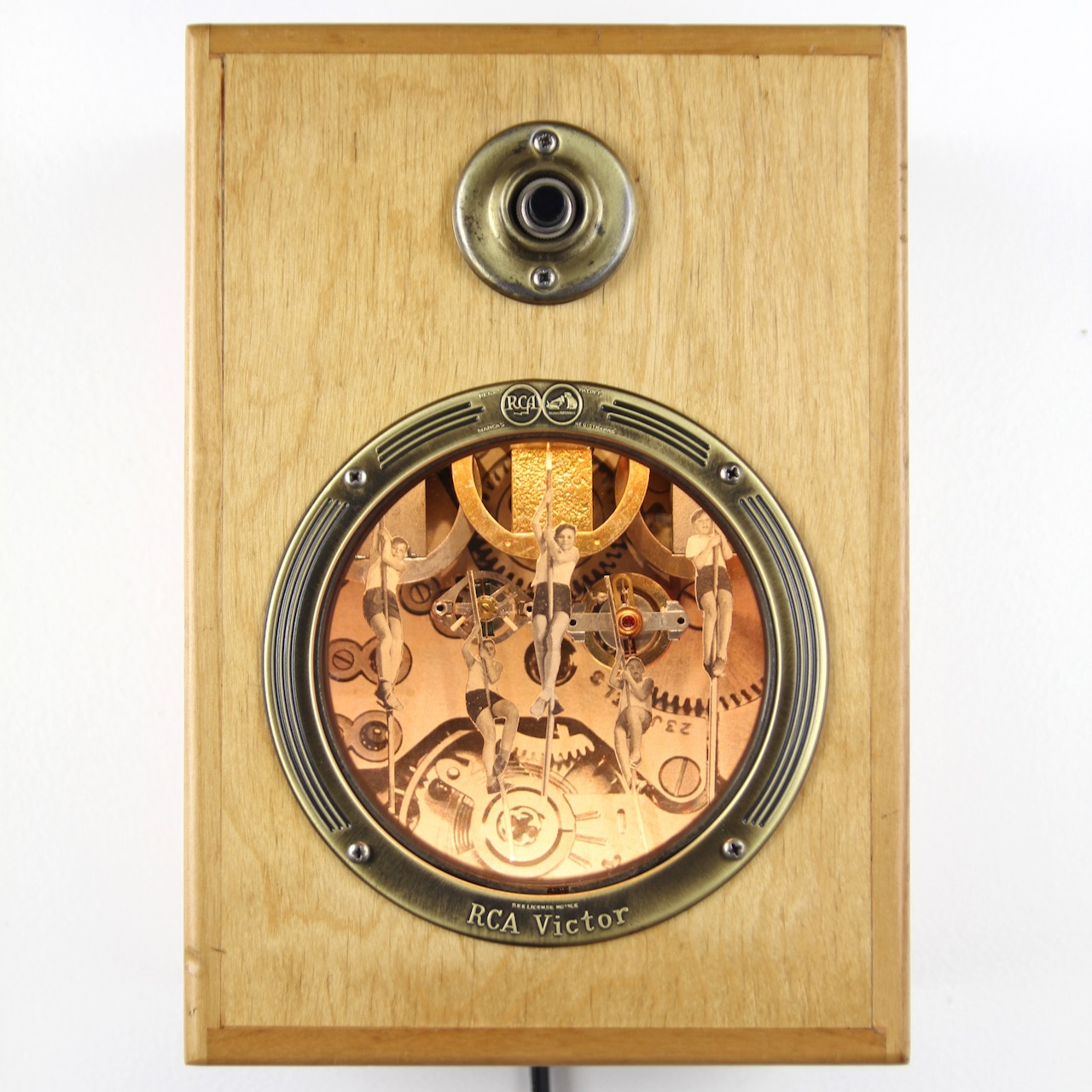
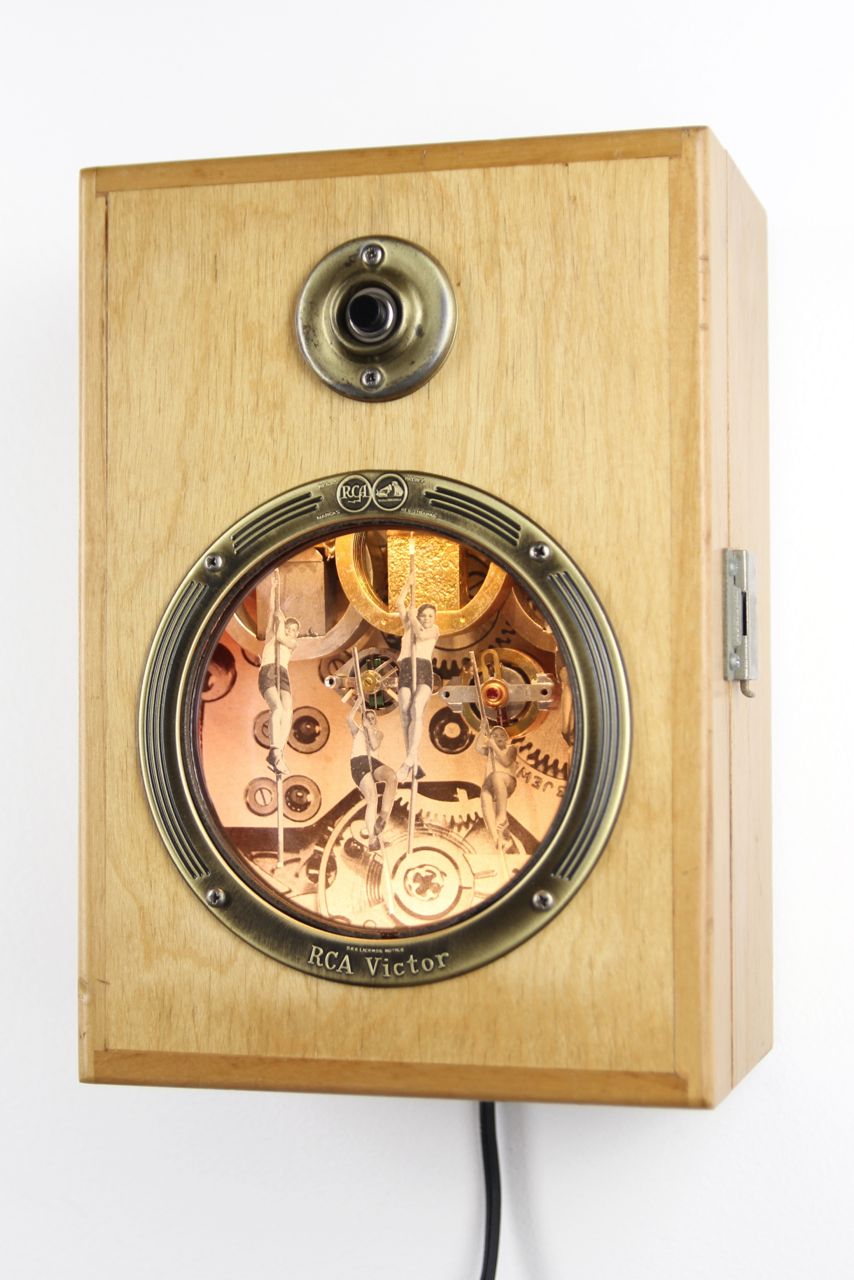
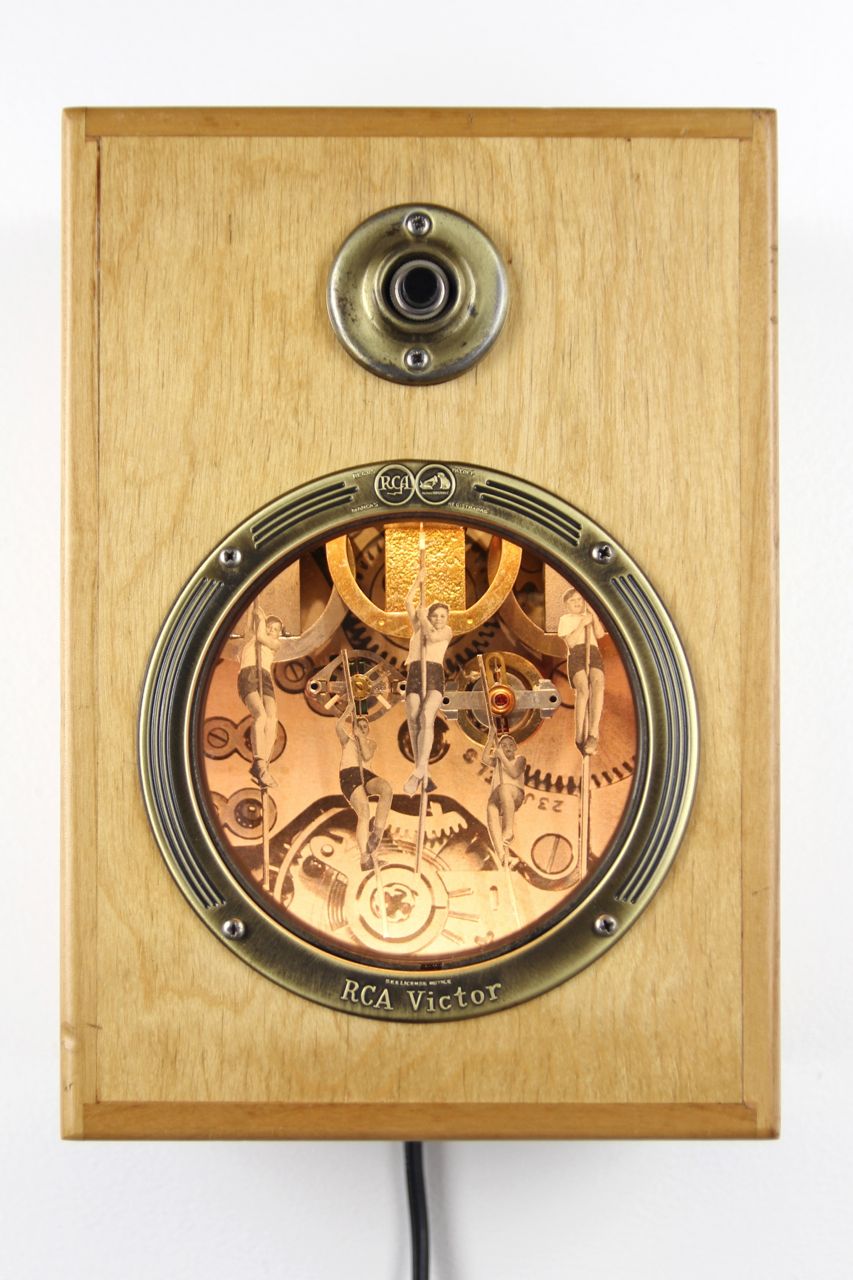
The discovery of an image of boys climbing the rope in gym class brought back some early trauma for me. This piece takes a look at the sort of world in which such an activity could be considered relevant in preparation for adult life.

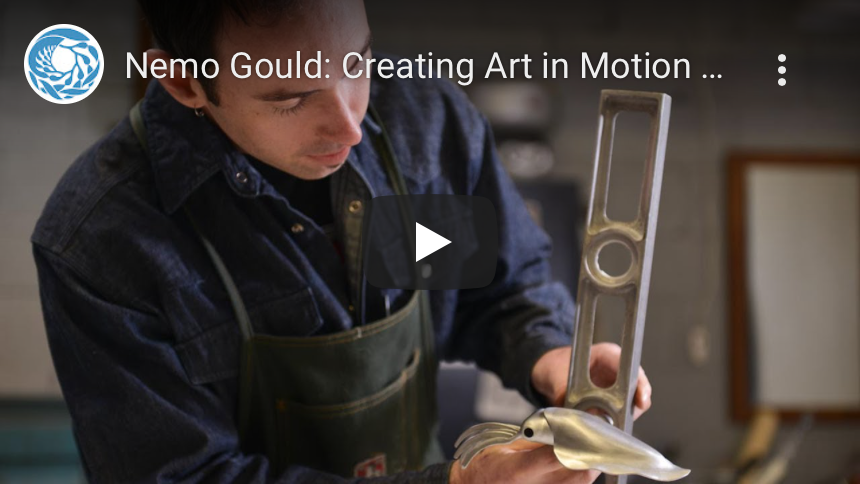
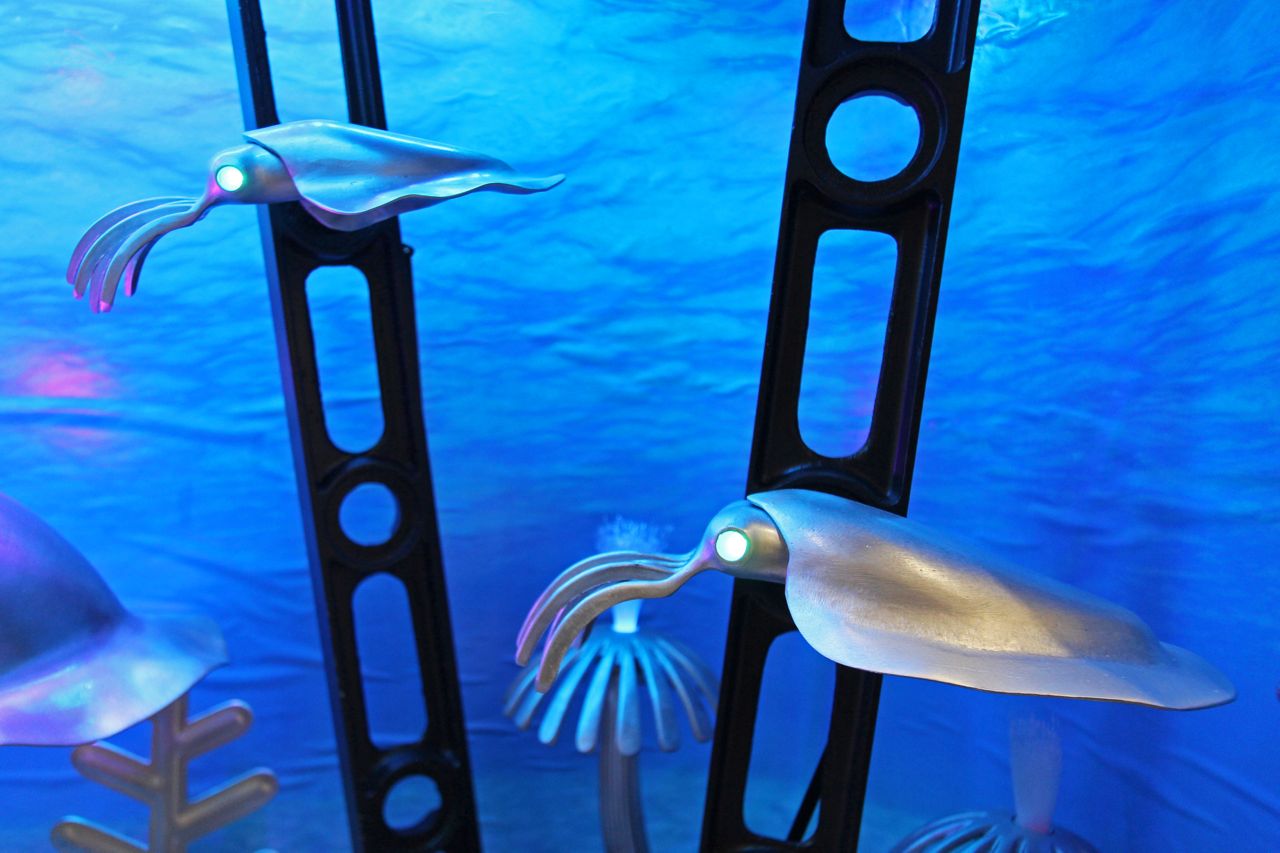
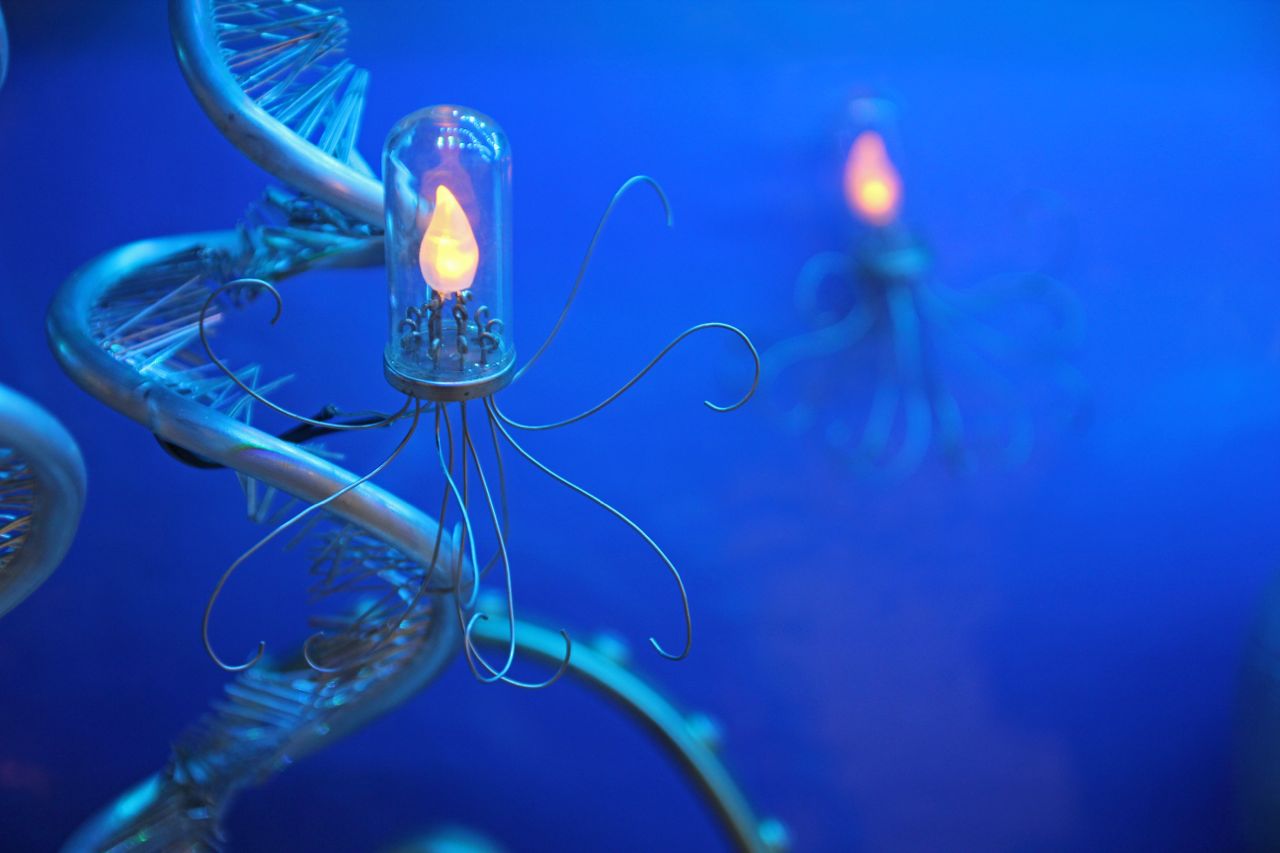
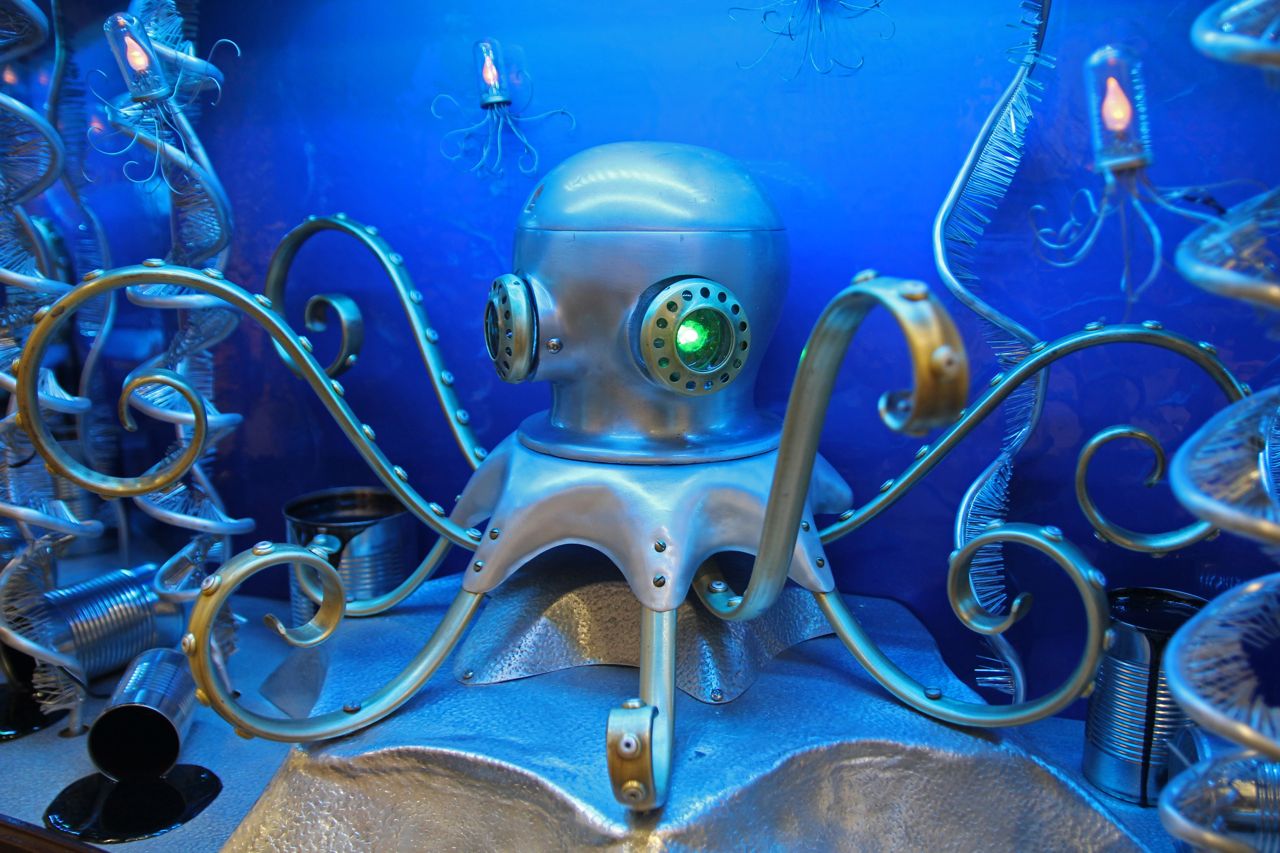
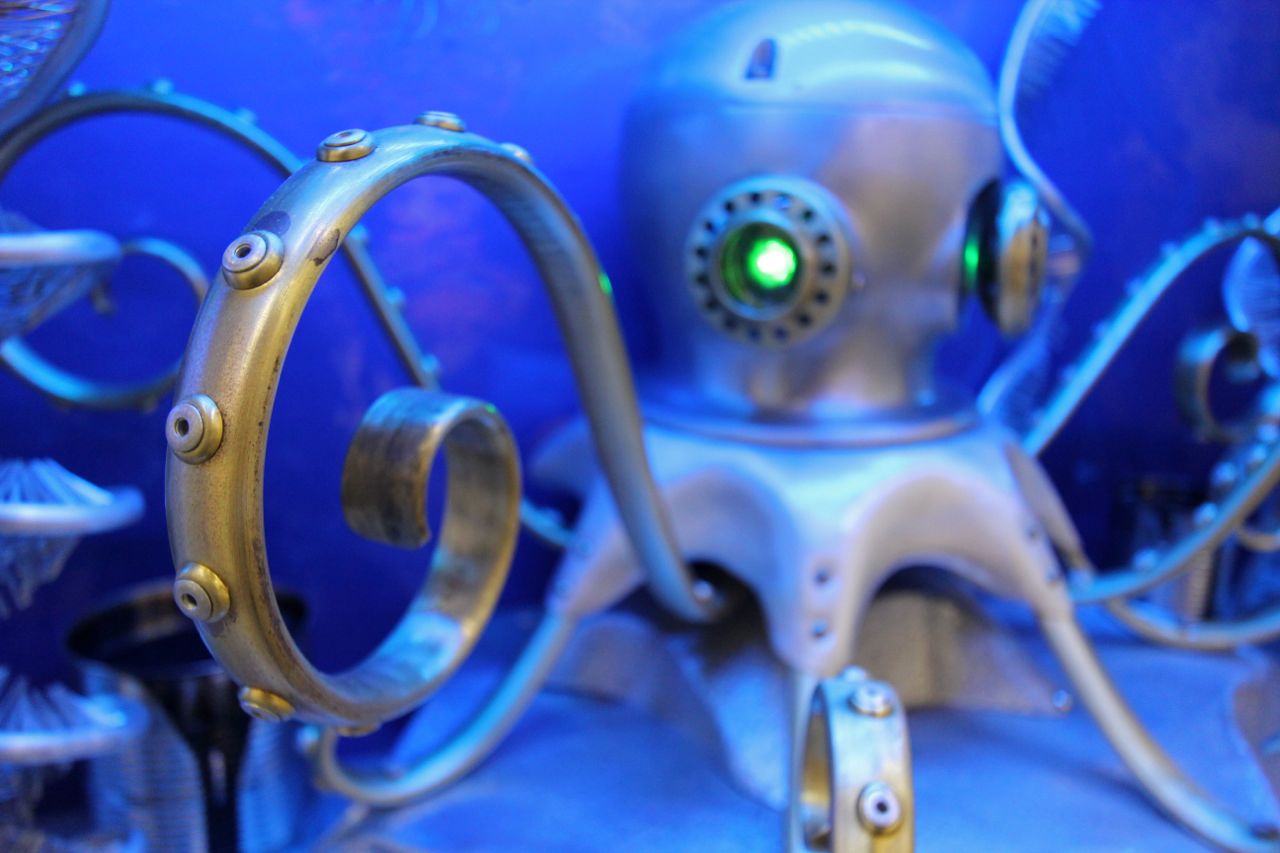
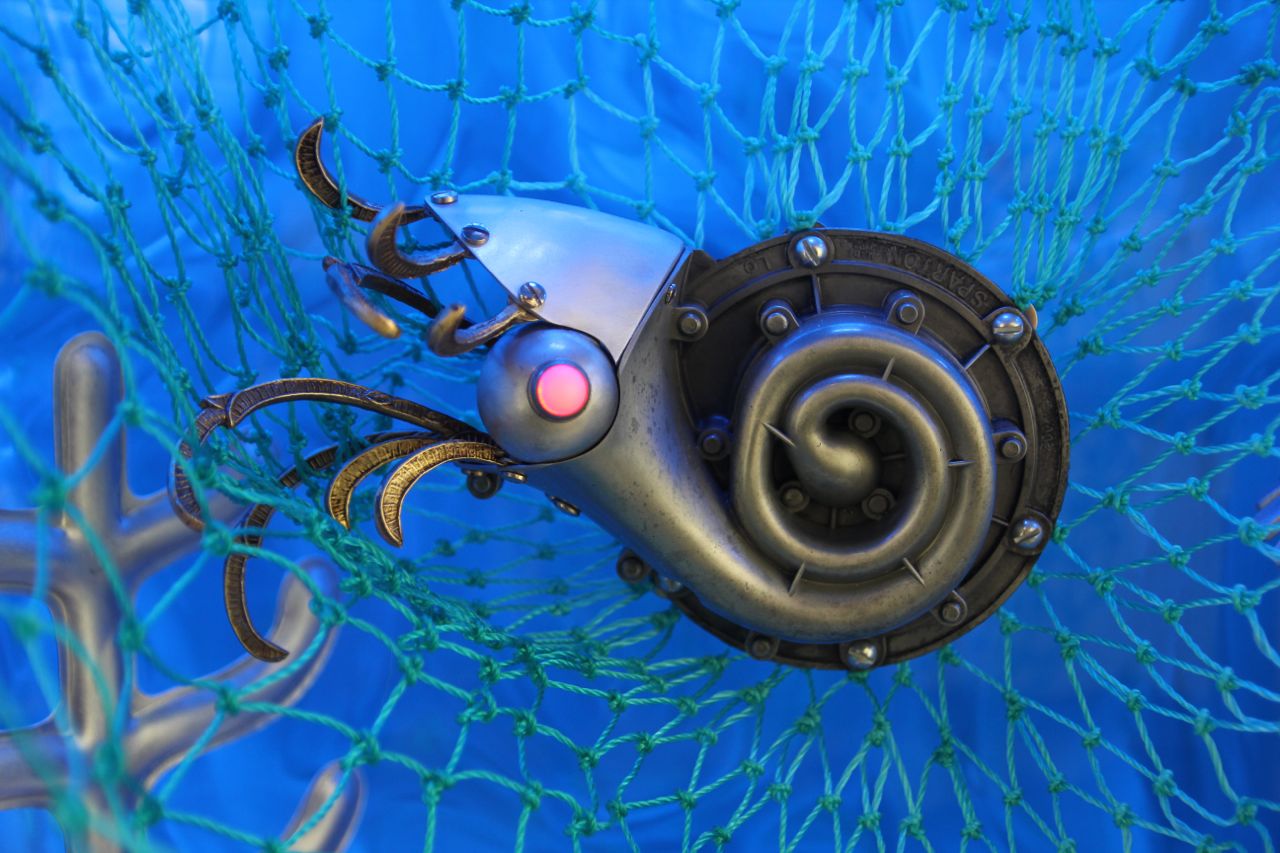
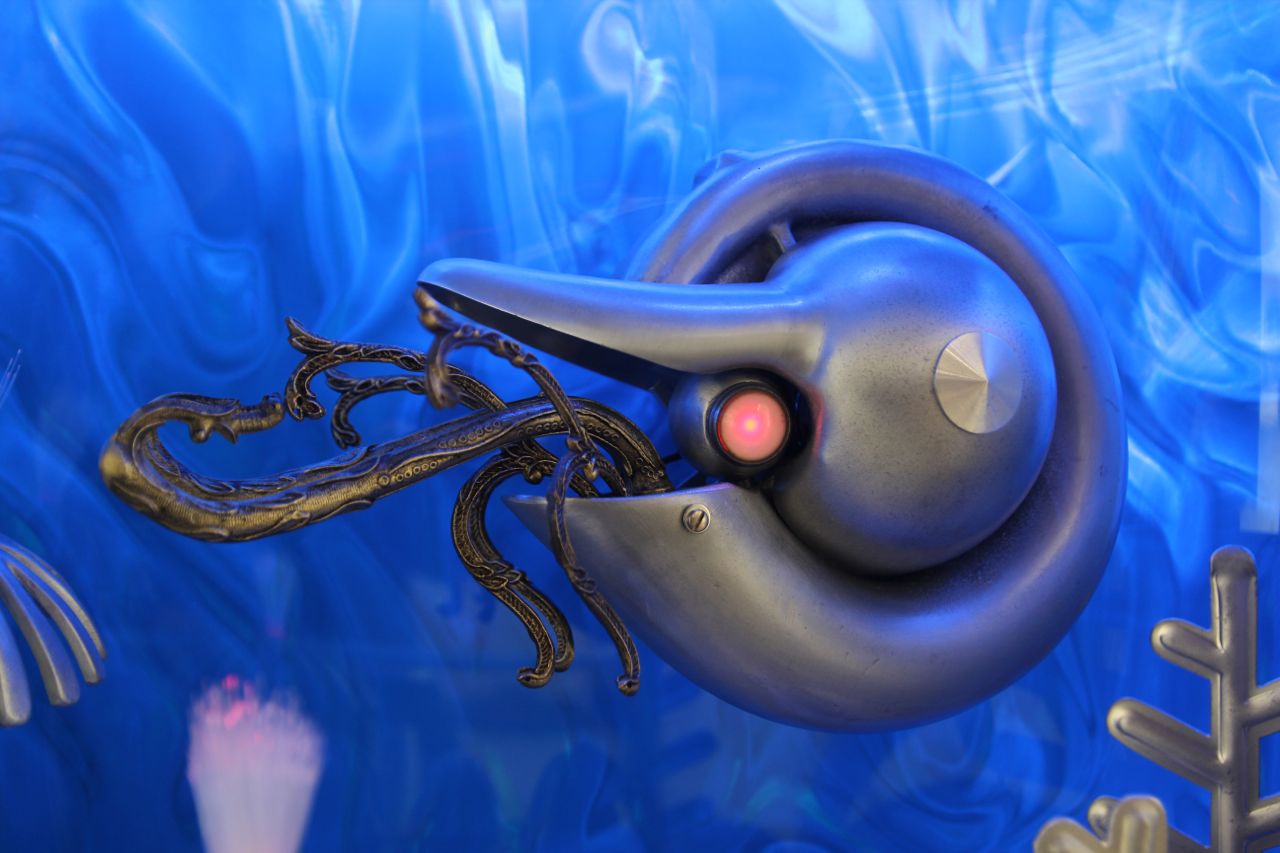
This video shows some of the work that went into my series of Cephalopods commissioned by the Monterey Bay Aquarium!  The pieces were destined for the exhibit “Tentacles: The Astounding Lives of Octopuses, Squid and Cuttlefishes,” opening April 12, 2014. These pieces help tell stories about the impacts that pollution, overfishing and habitat destruction have on these animals.
I’ve also posted details of each piece individually: CuttlefishOctopus, and Nautilus here on my site.
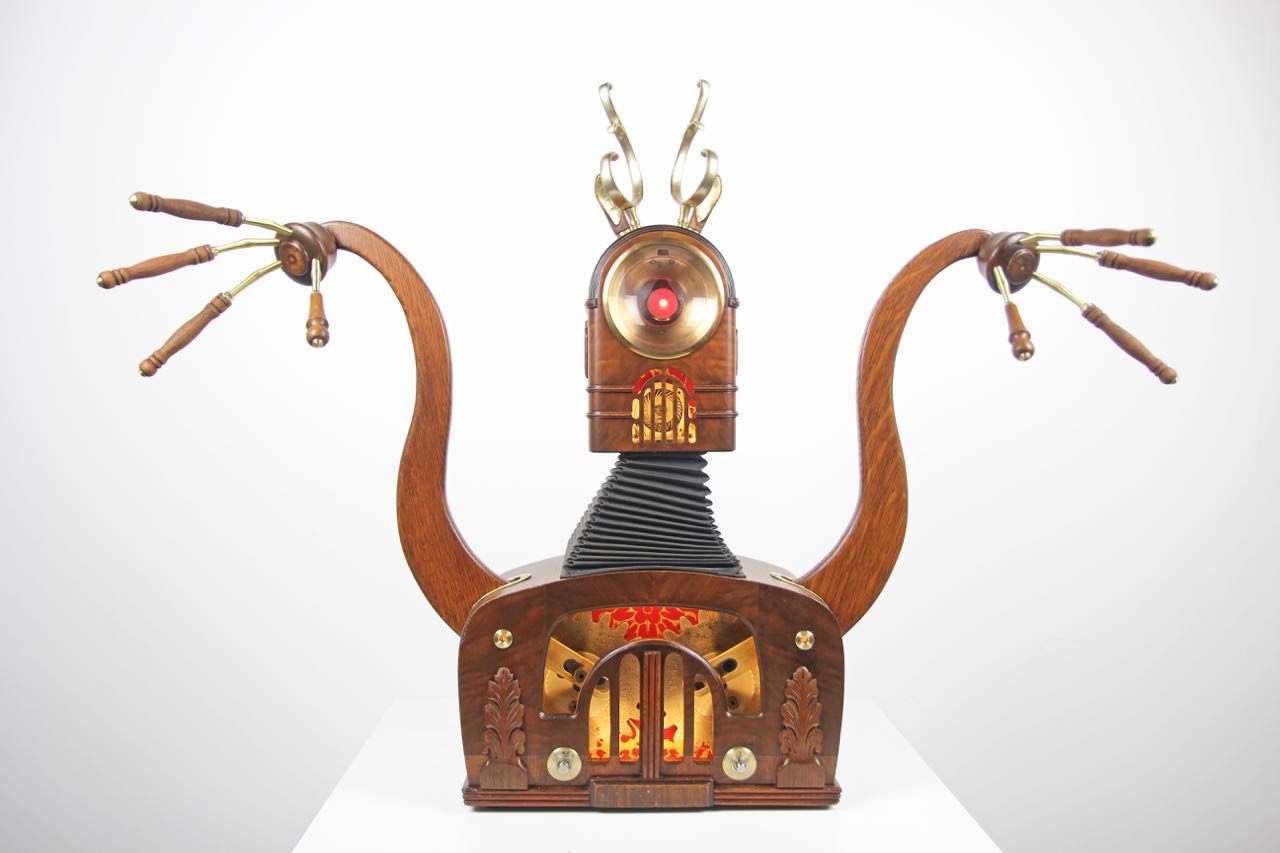
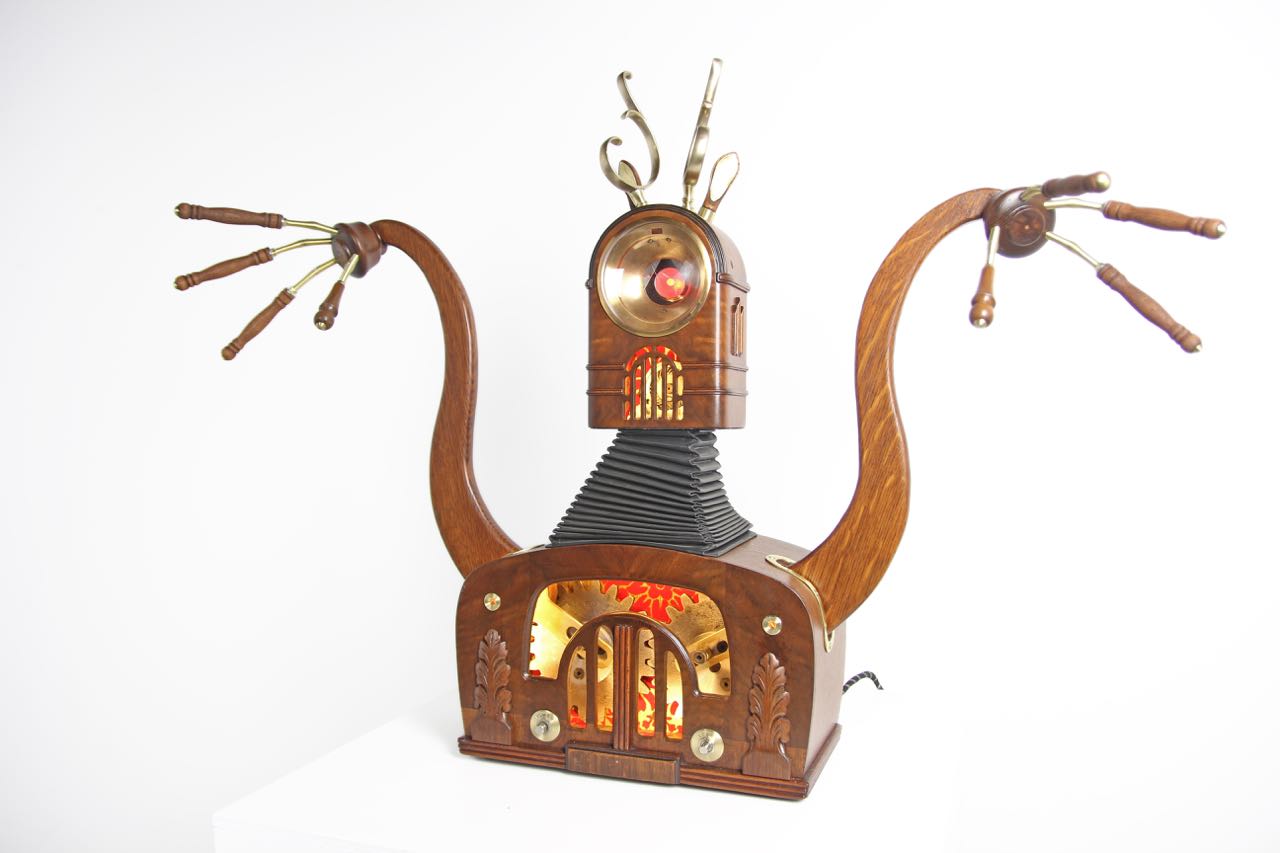
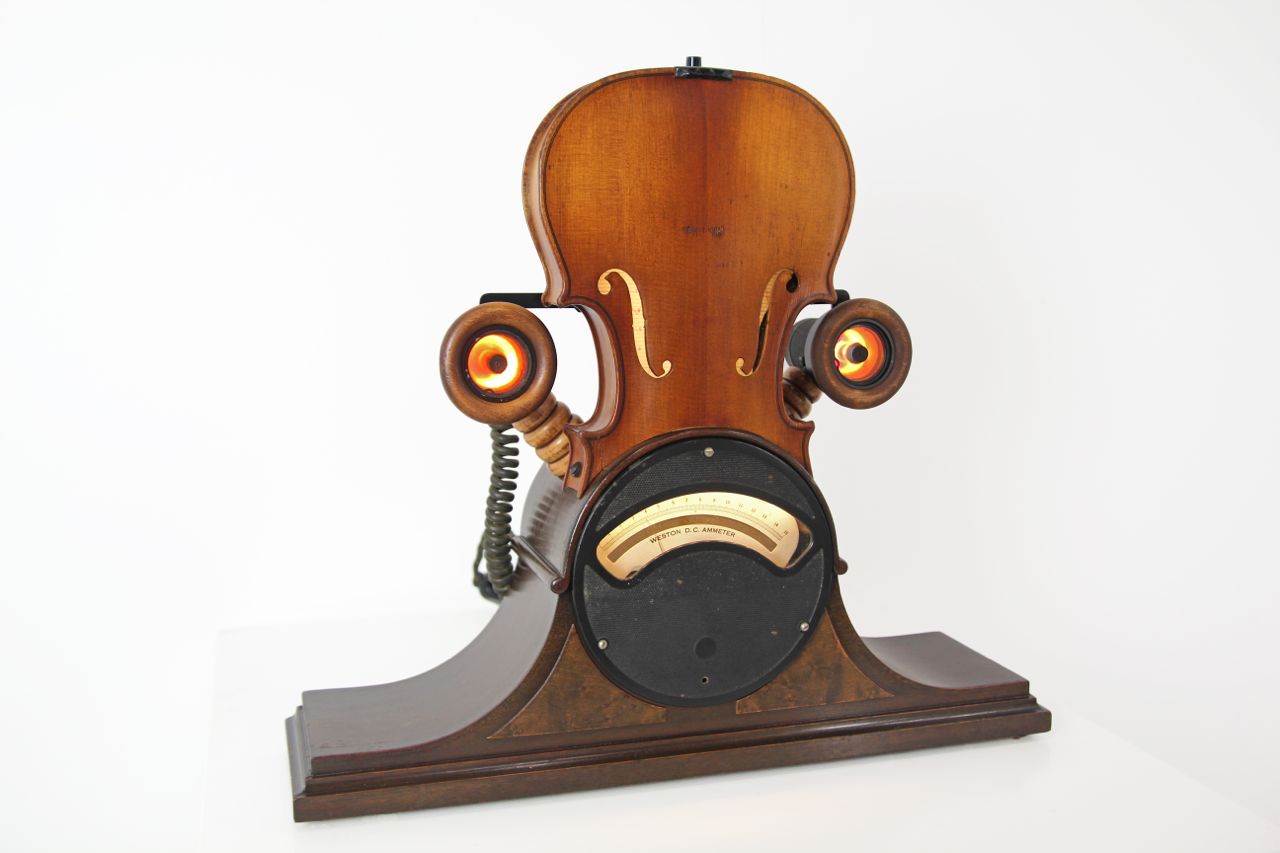
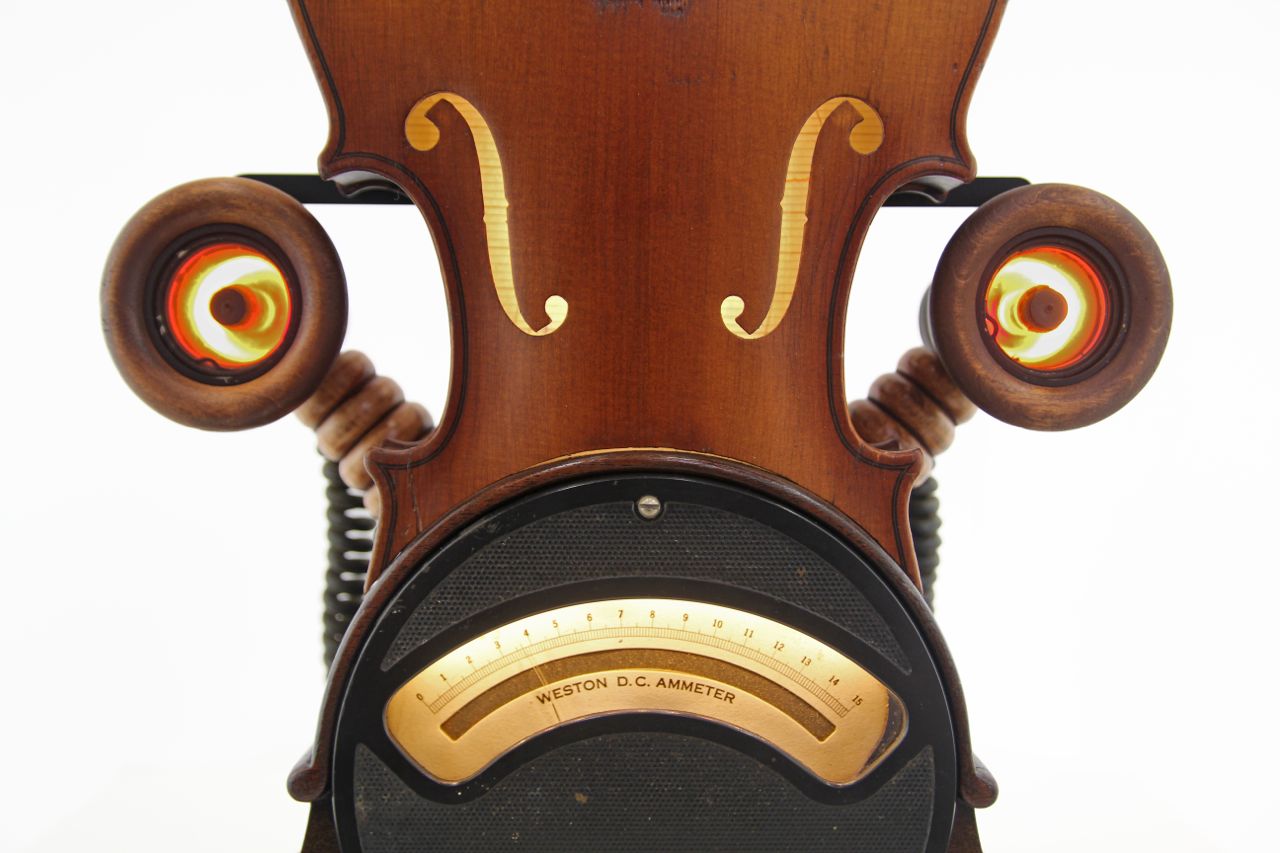
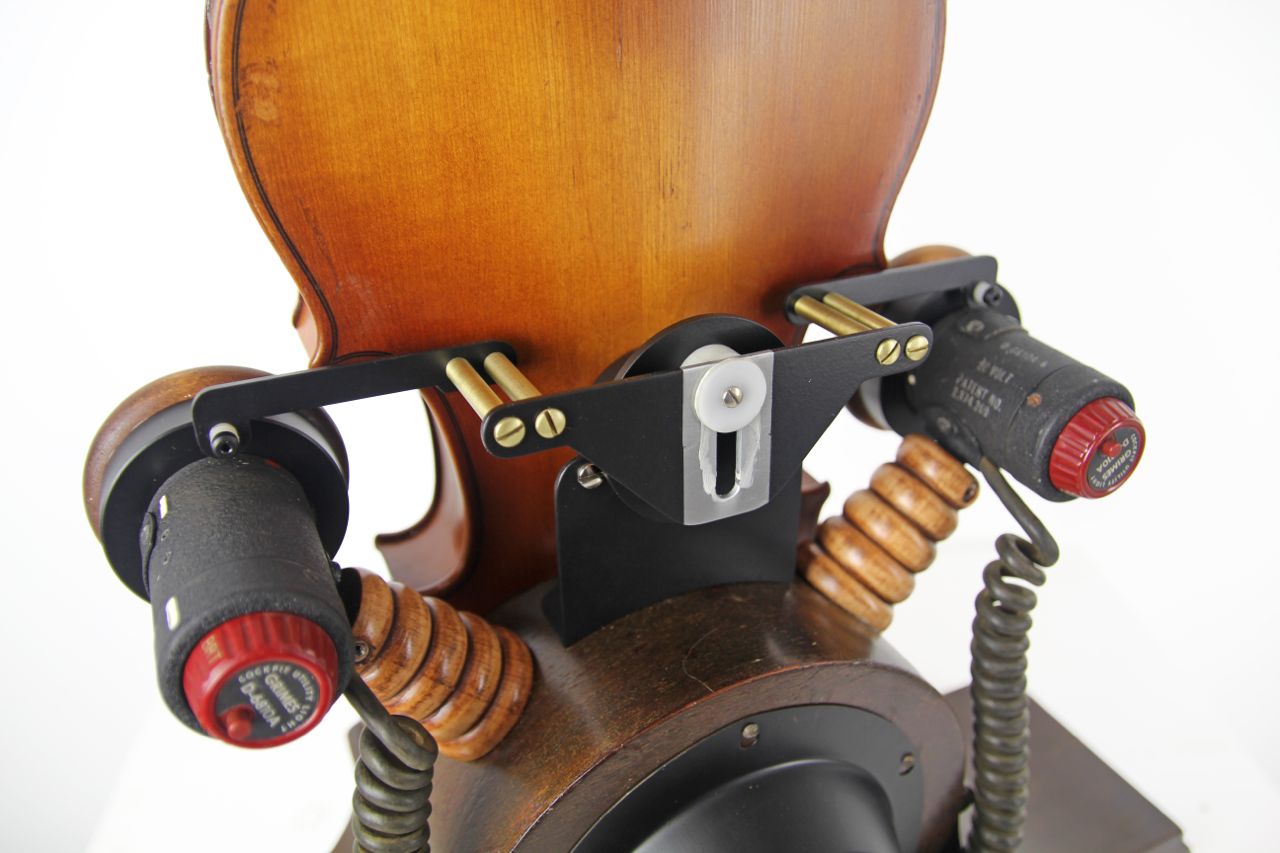
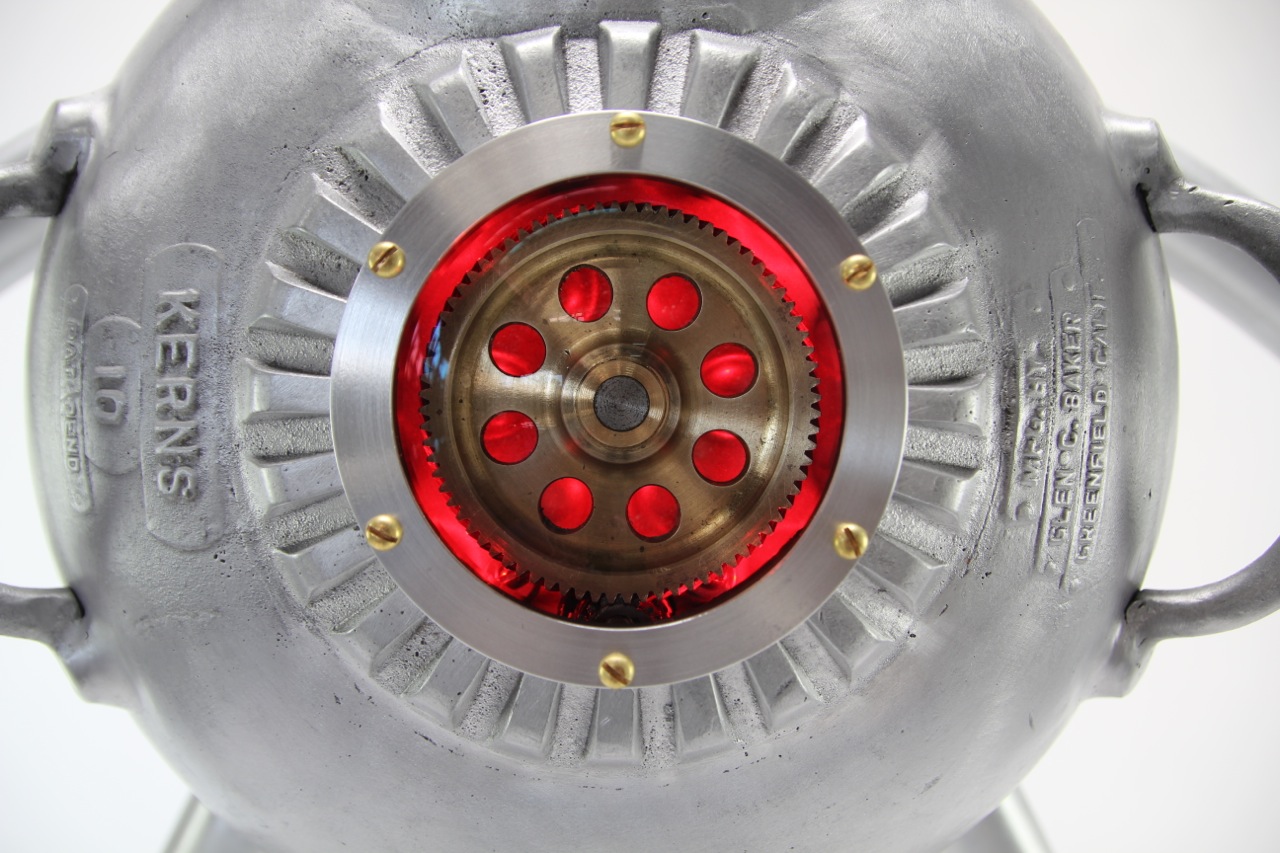
This piece was born from a pair of exceptionally cool bomber pilot map lights. By rotating the lenses they change from warm white, to blood red! As soon as I found them I just had to build a character around them.

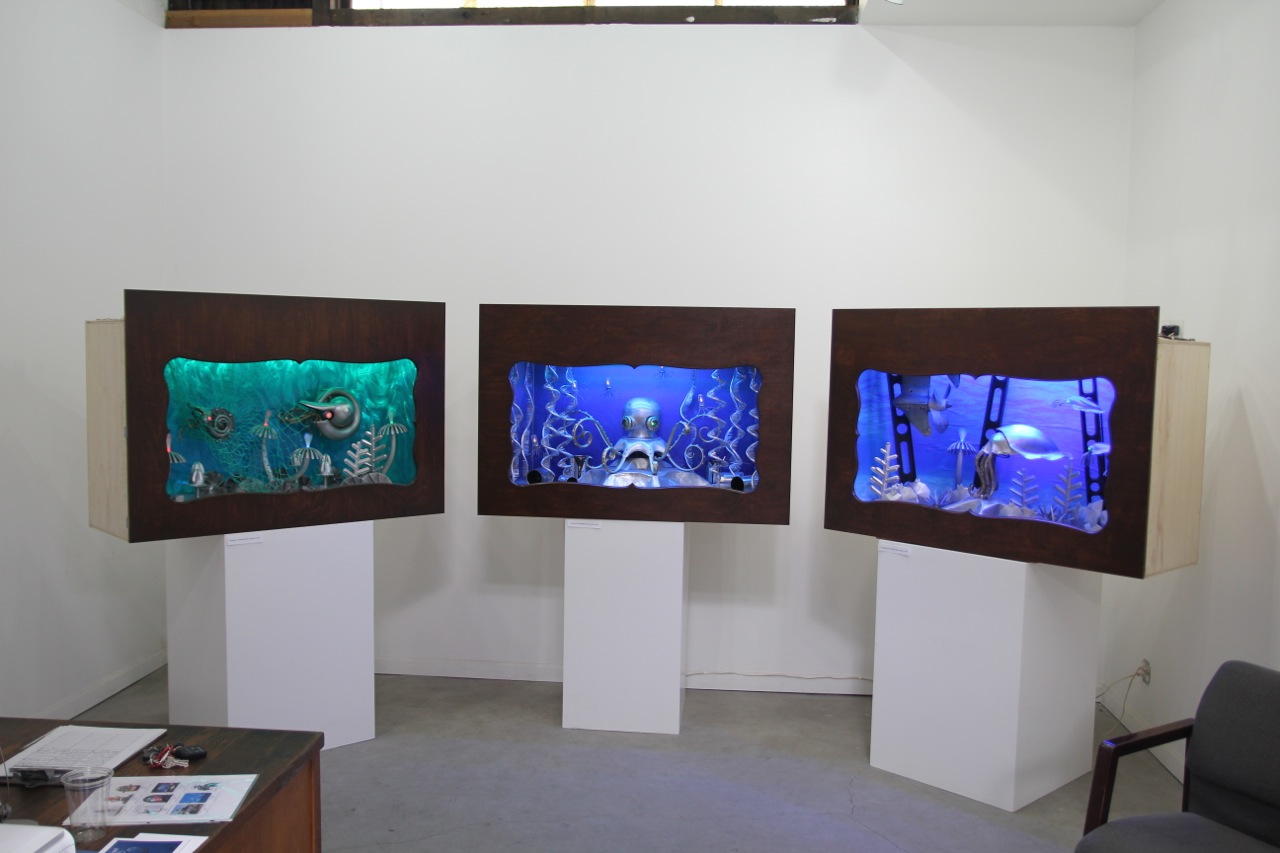
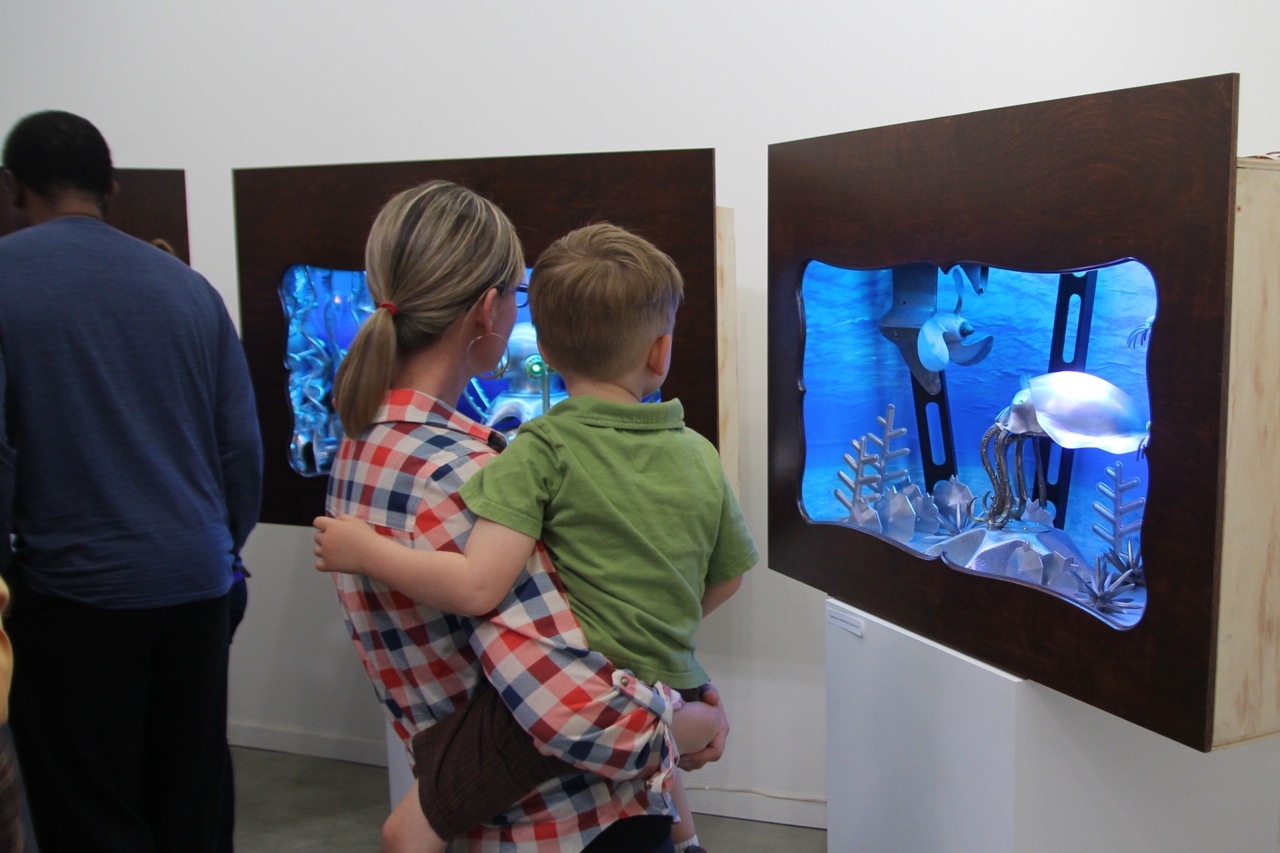
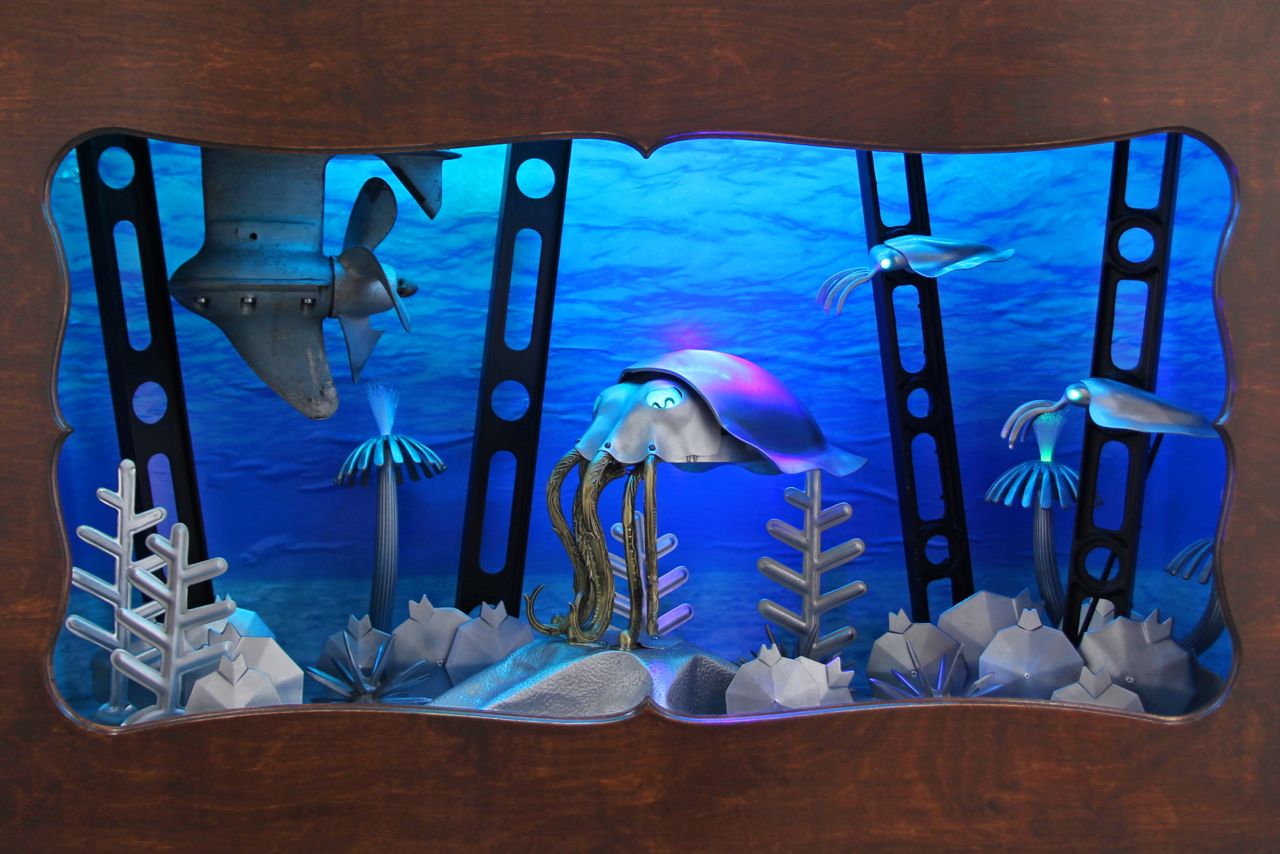
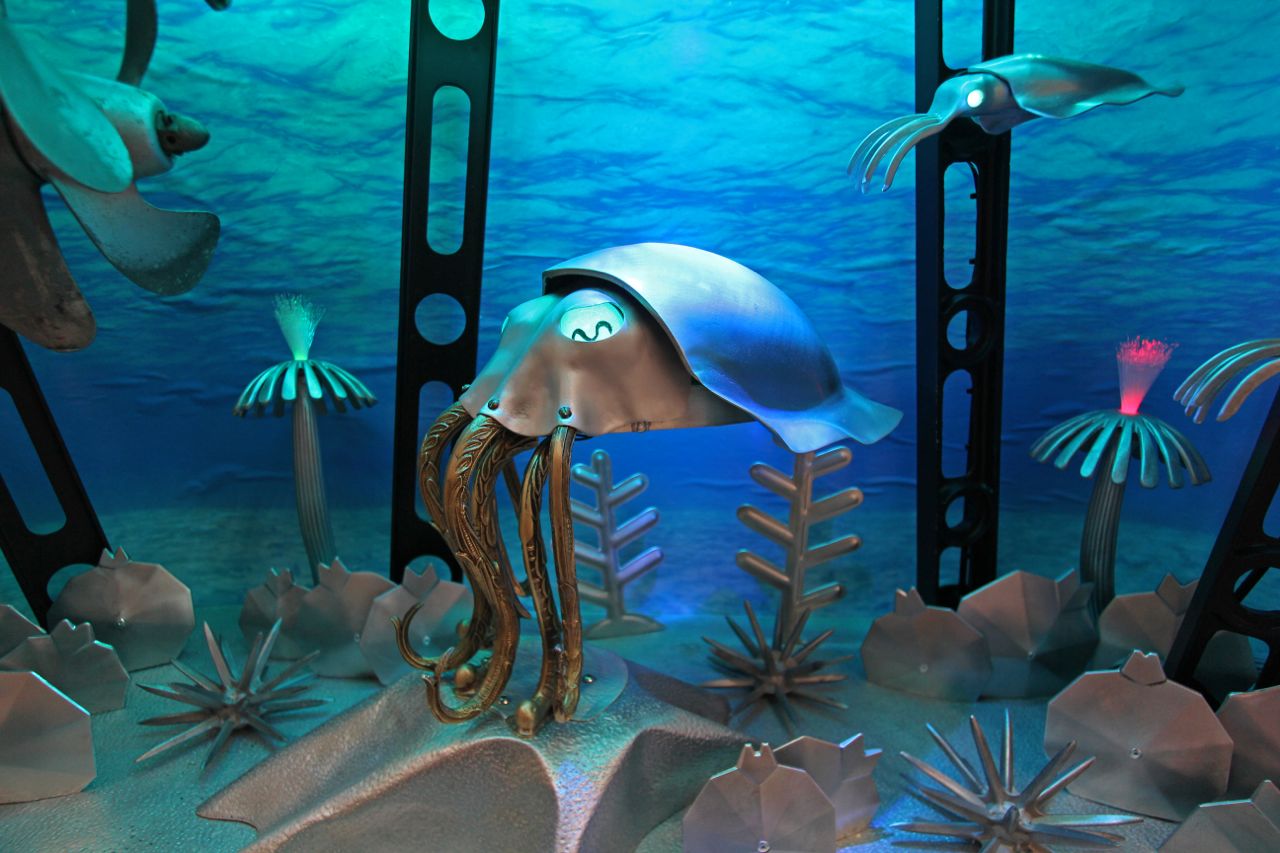
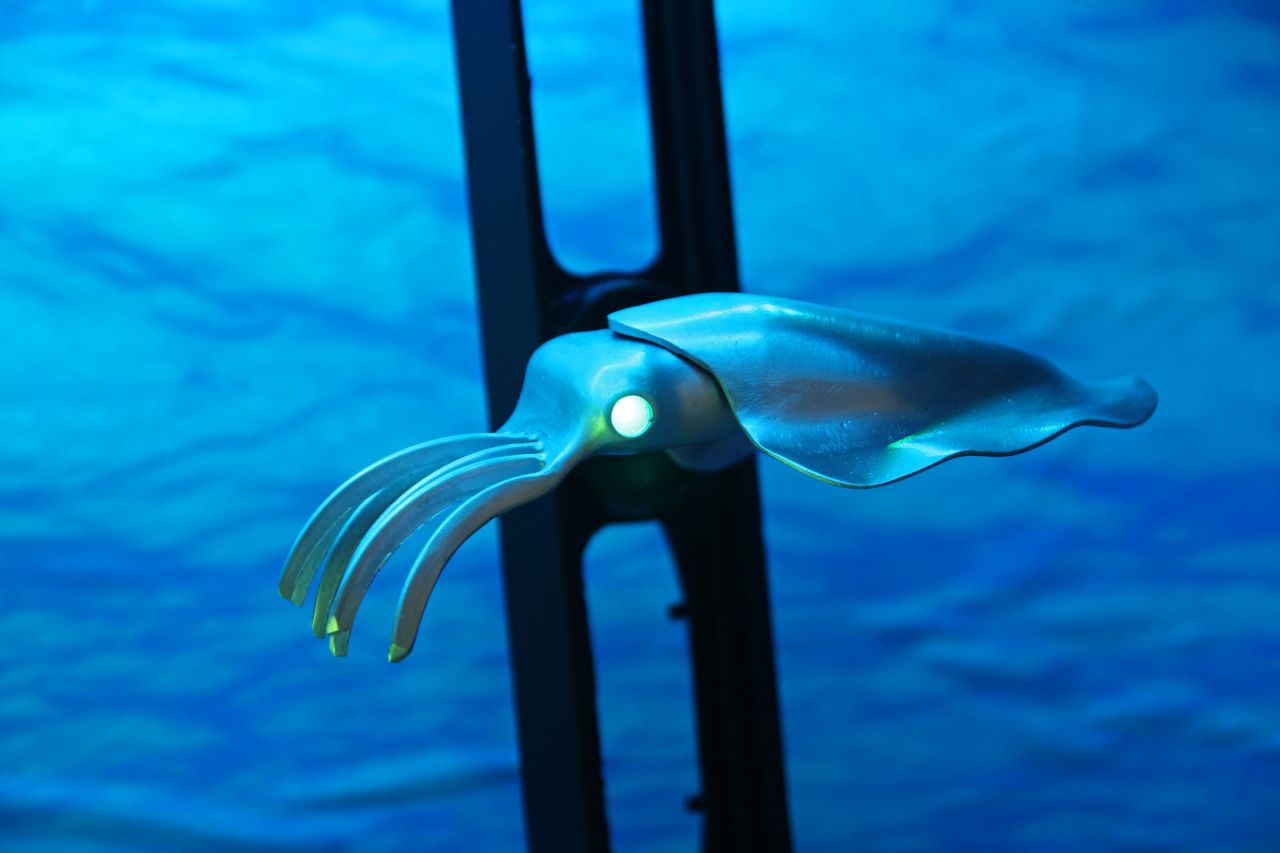
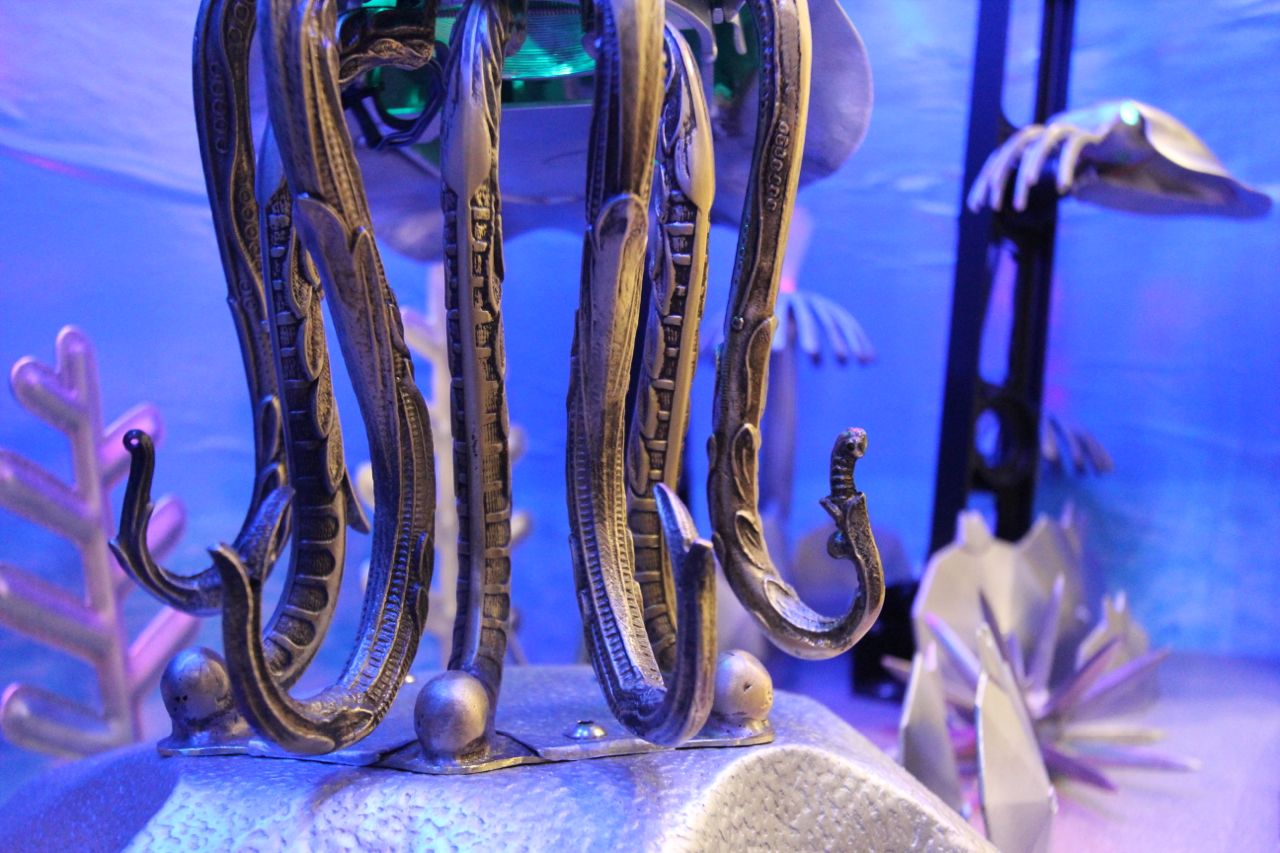
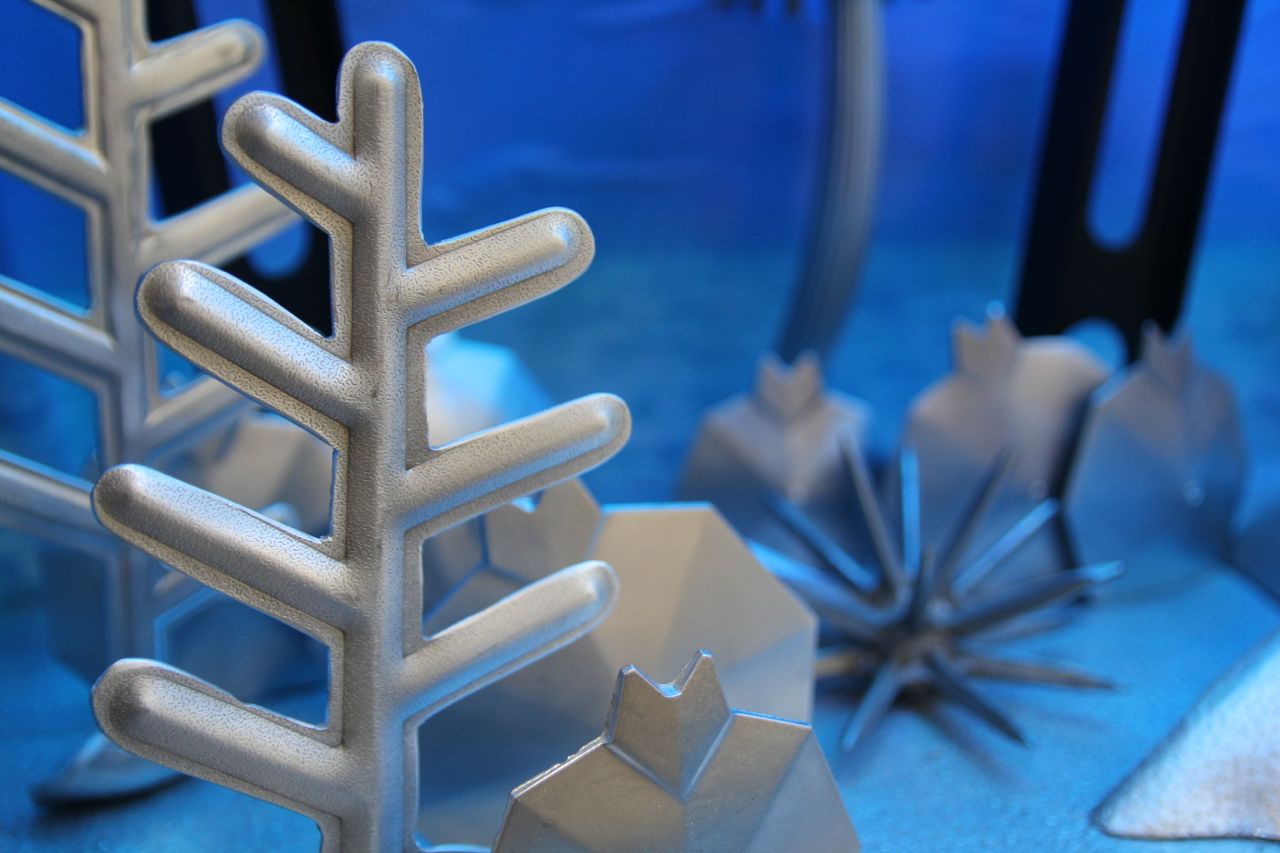
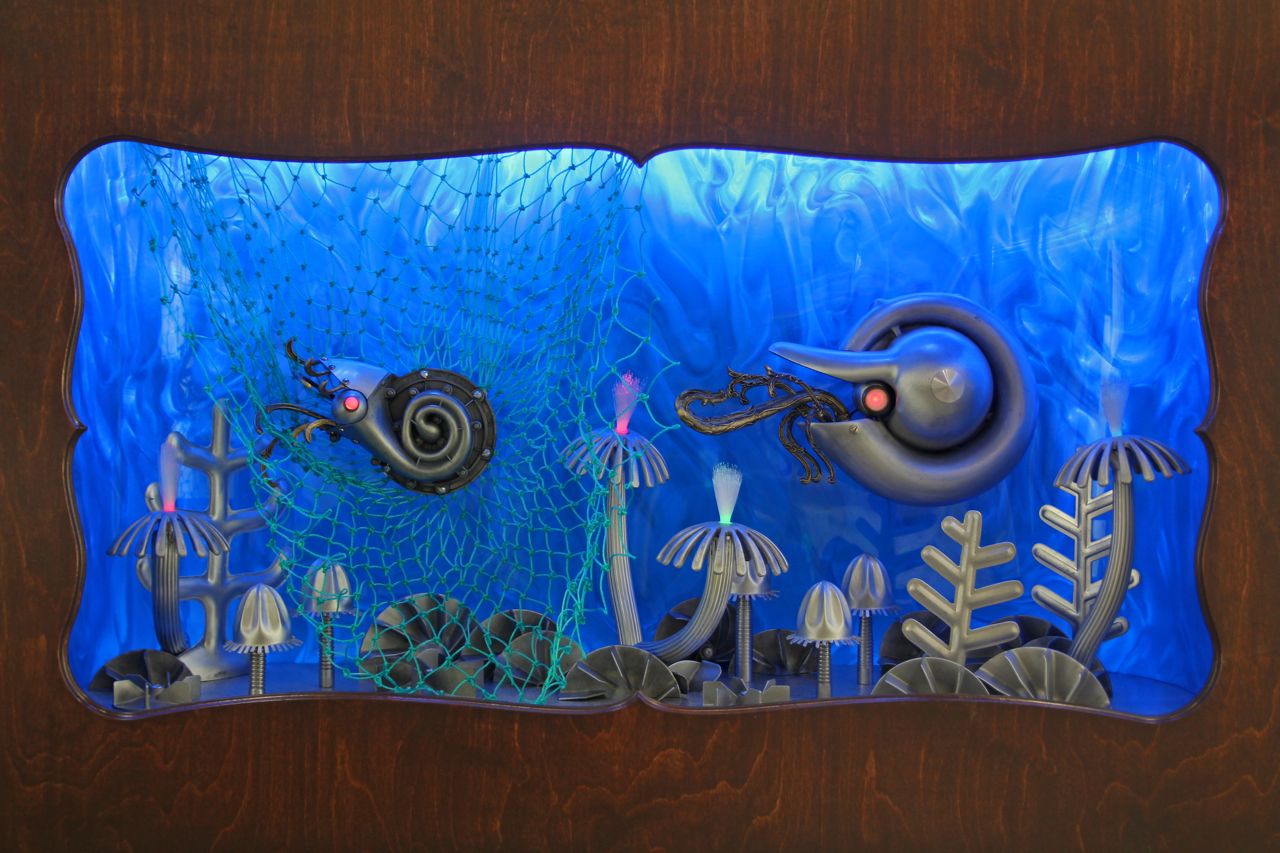
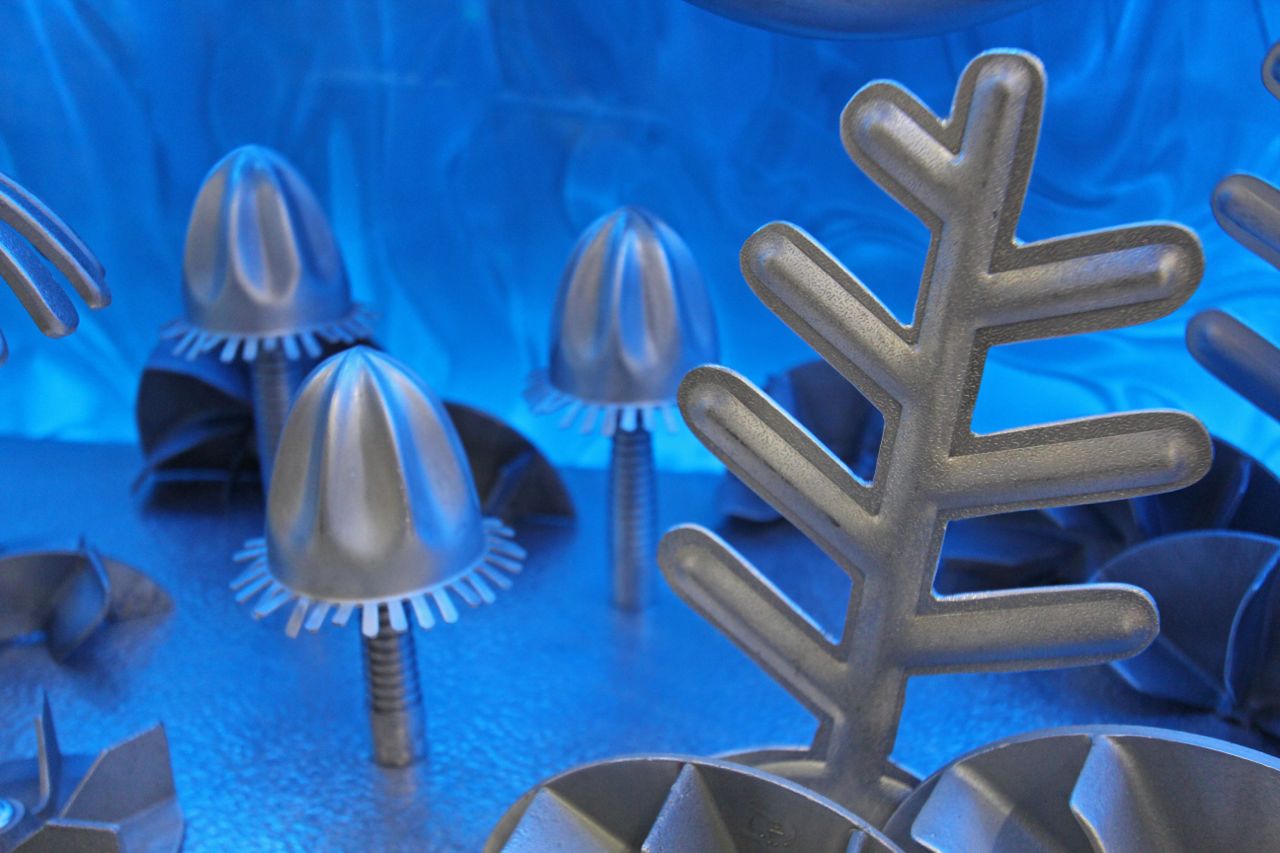
This is of one of three dioramas that were commissioned by the Monterey Bay Aquarium for their exhibit “Tentacles: The Astounding Lives of Octopuses, Squid and Cuttlefishes,” opening April 12, 2014. This particular piece illustrates the impact of habitat destruction on the Cuttlefish species.
This is of one of three dioramas that were commissioned by the Monterey Bay Aquarium for their exhibit “Tentacles: The Astounding Lives of Octopuses, Squid and Cuttlefishes,” opening April 12, 2014. This particular piece illustrates the impact of habitat destruction on the Cuttlefish species.
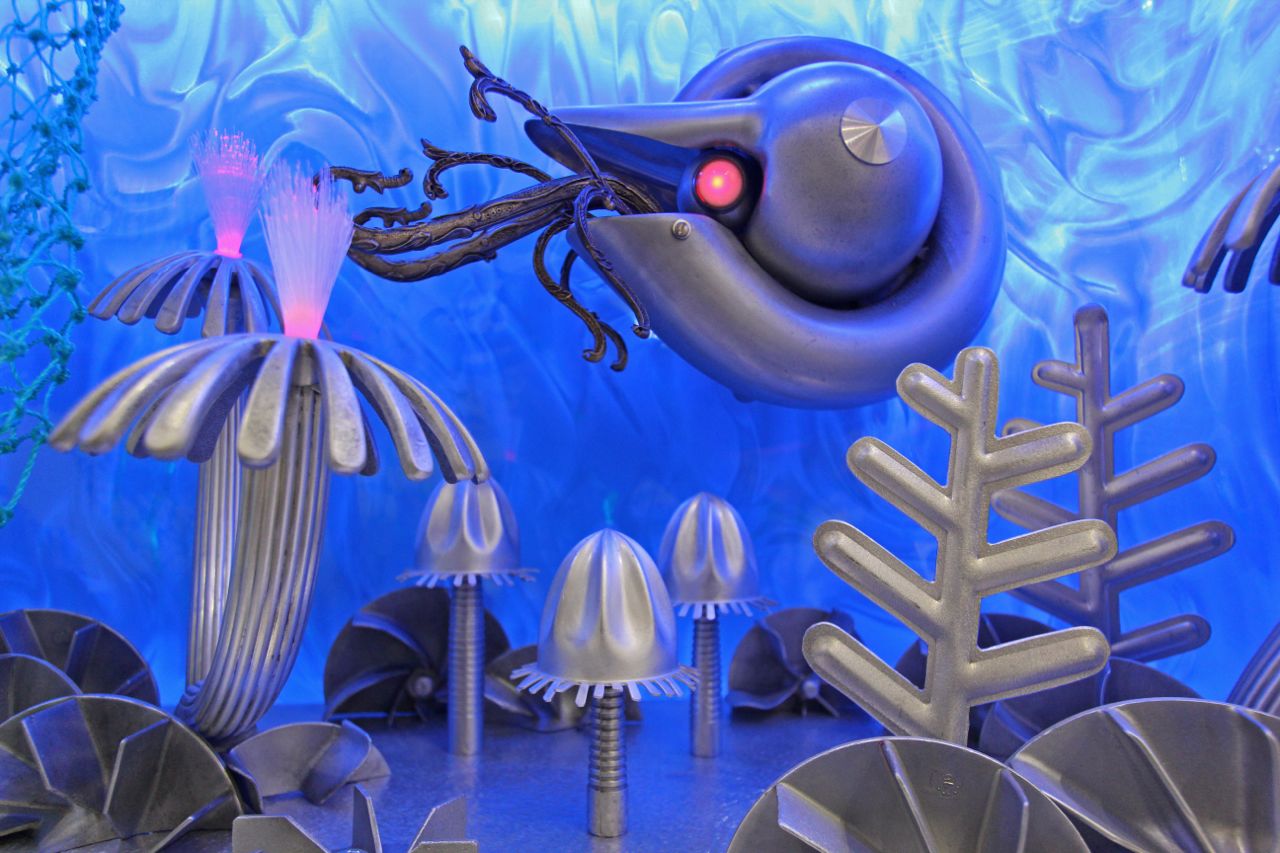
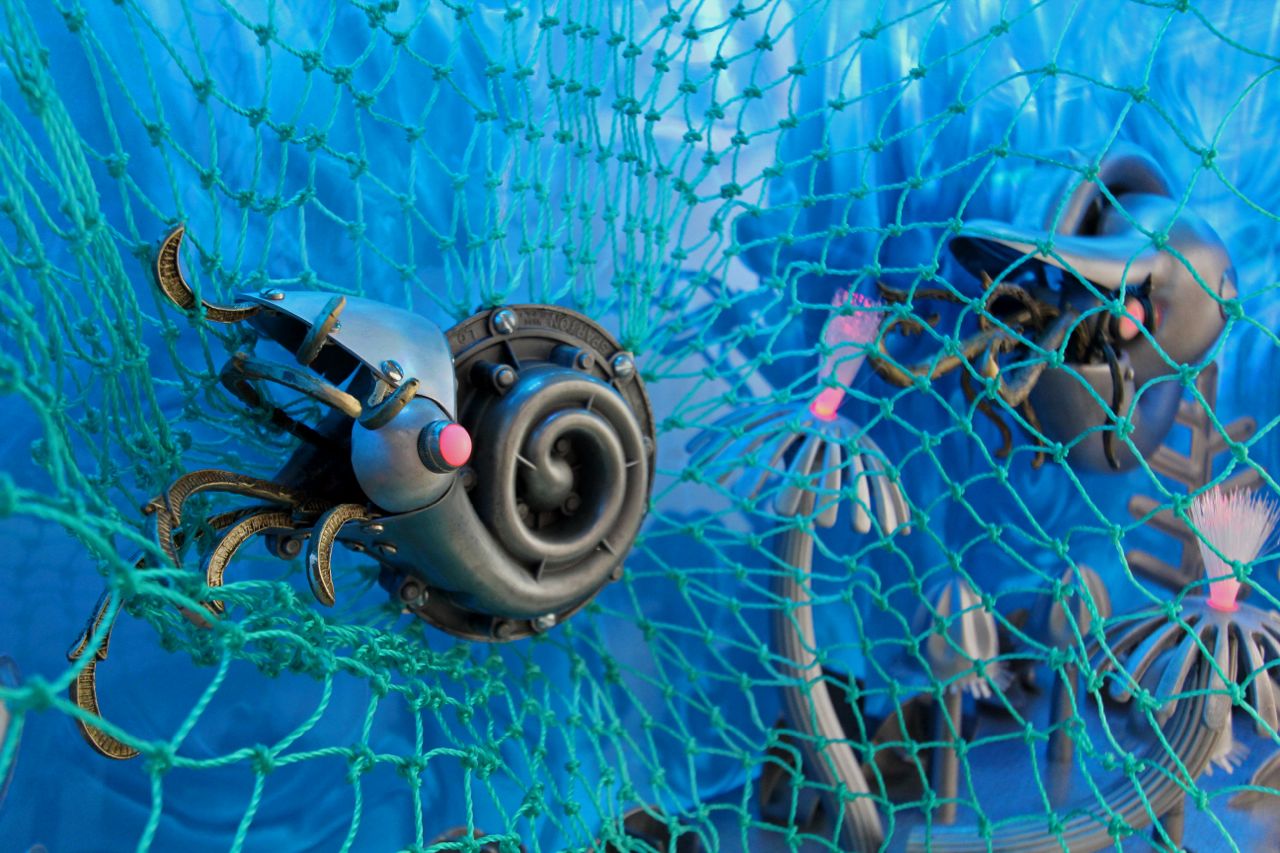
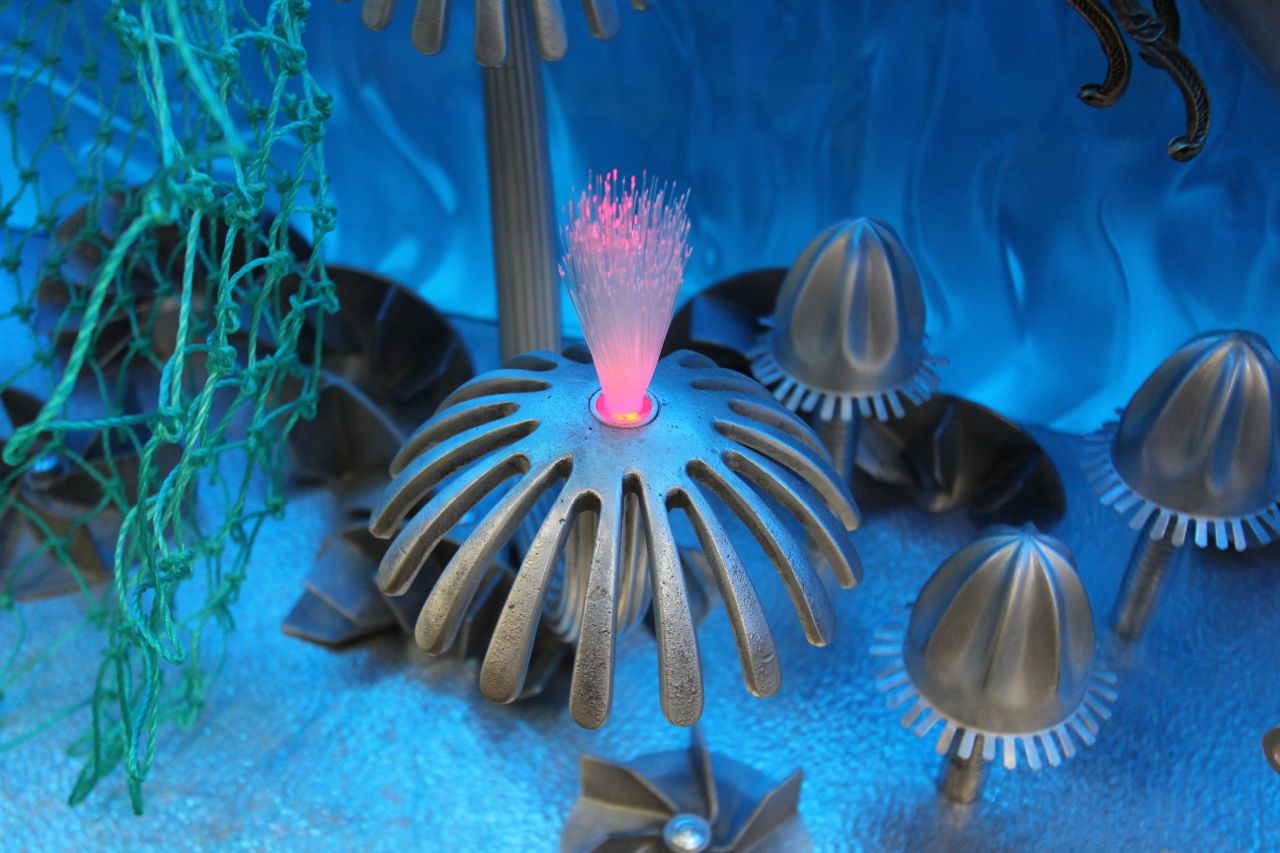
This is of one of three dioramas that were commissioned by the Monterey Bay Aquarium for their exhibit “Tentacles: The Astounding Lives of Octopuses, Squid and Cuttlefishes,” opening April 12, 2014. This particular piece illustrates the impact of overfishing on the Nautilus species.
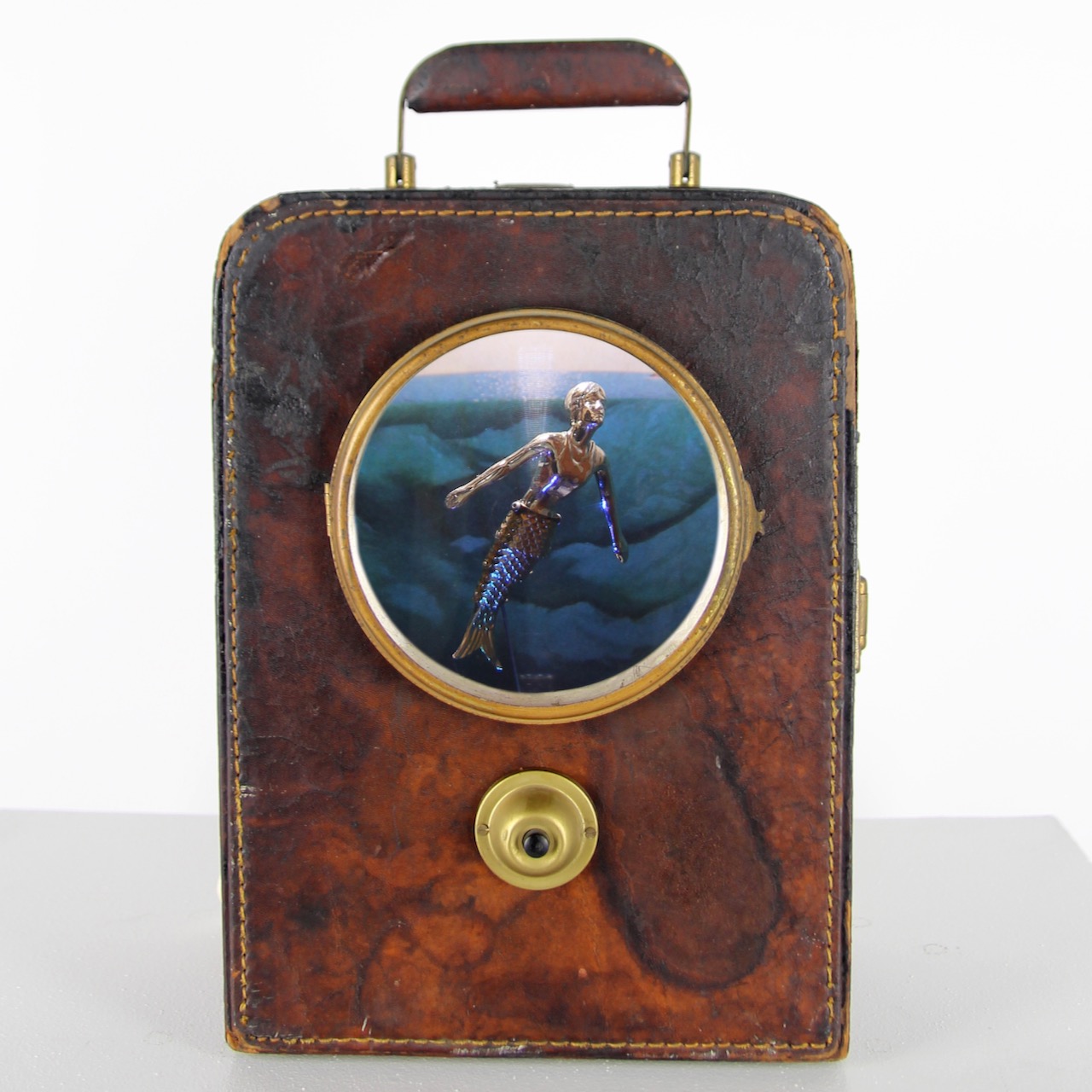
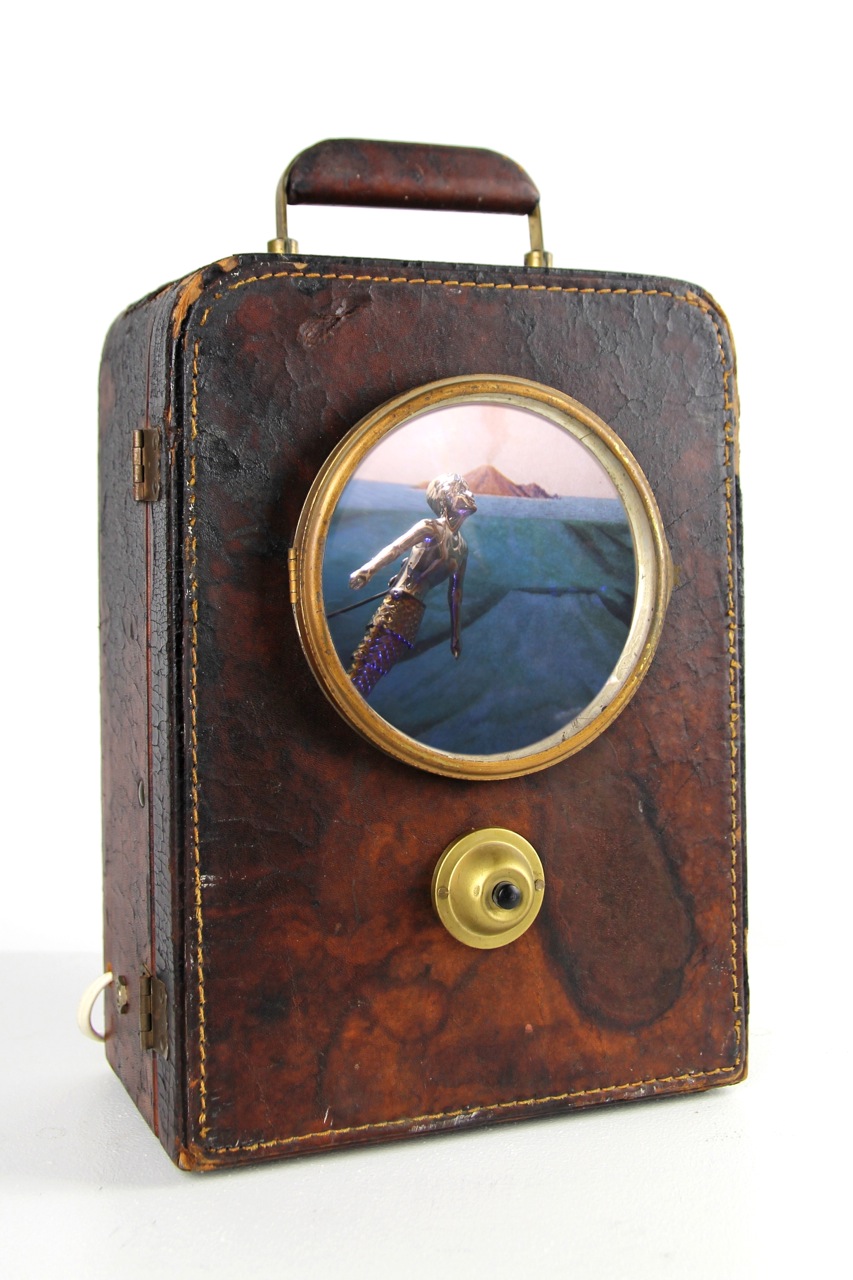
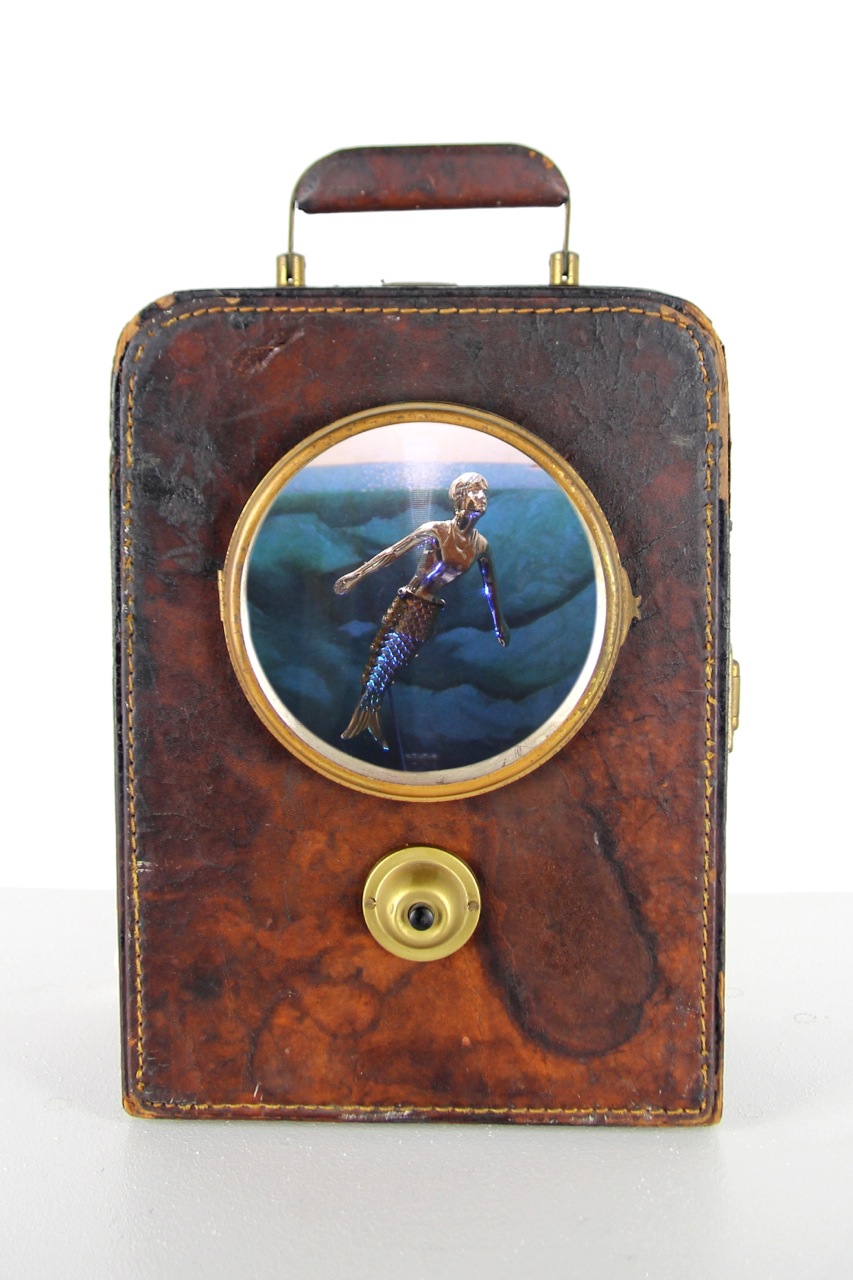
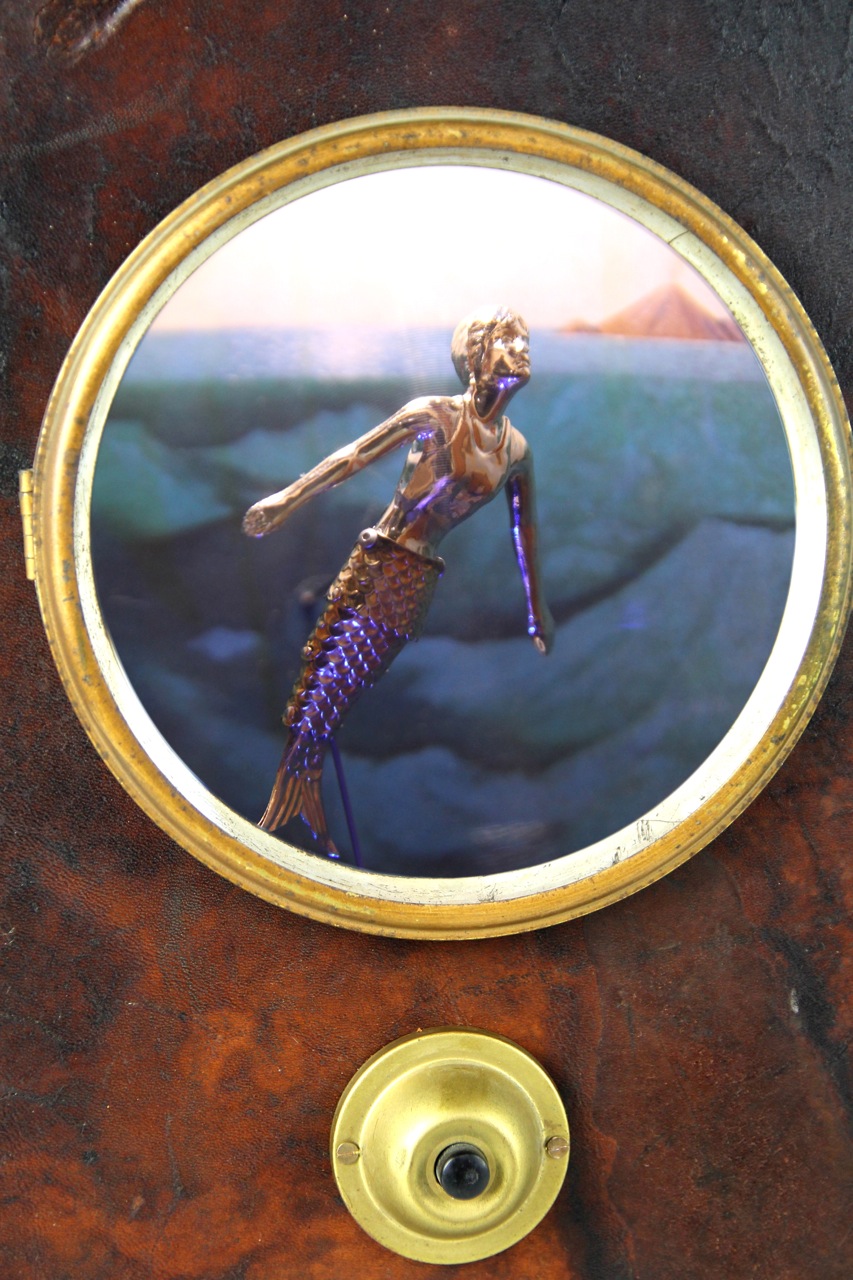
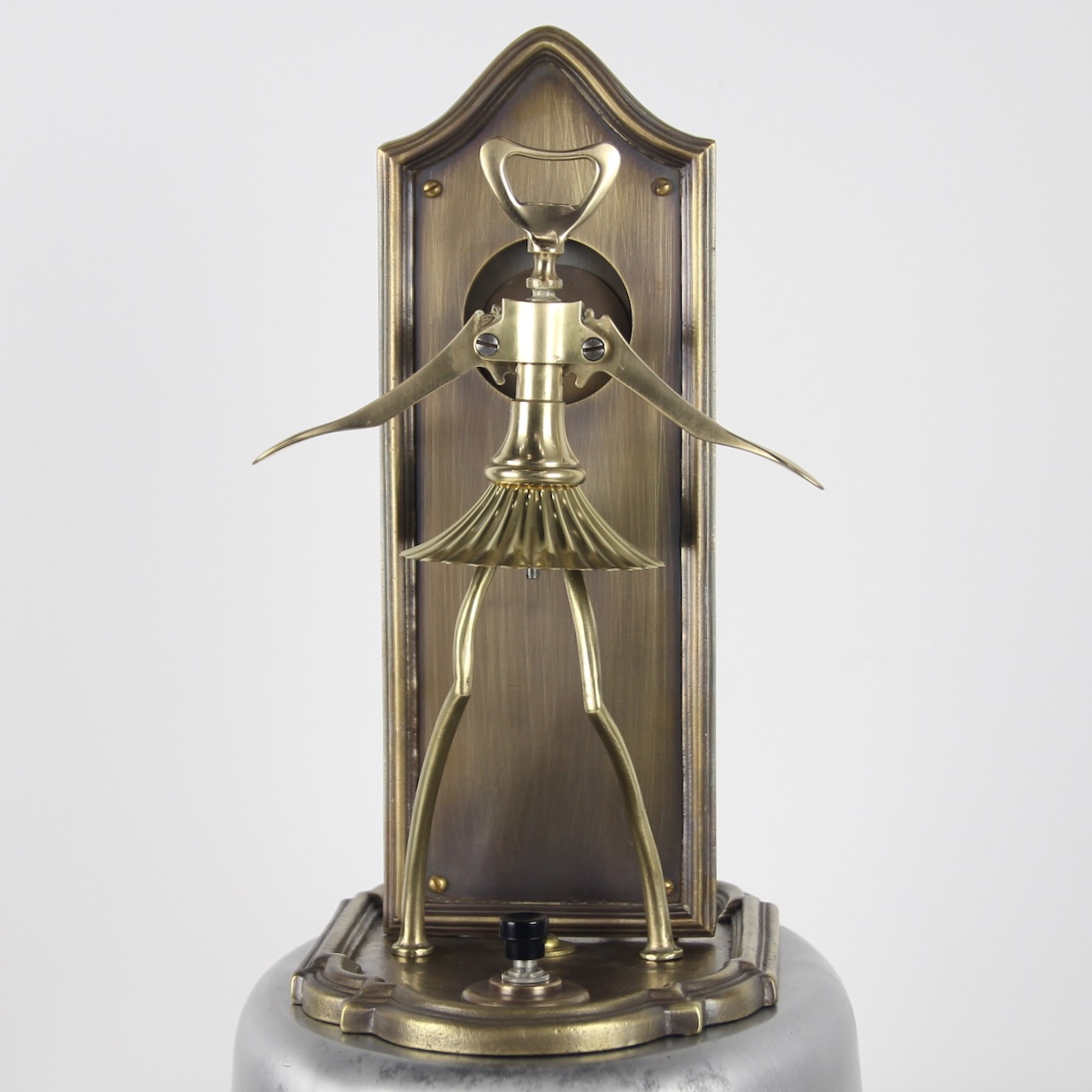
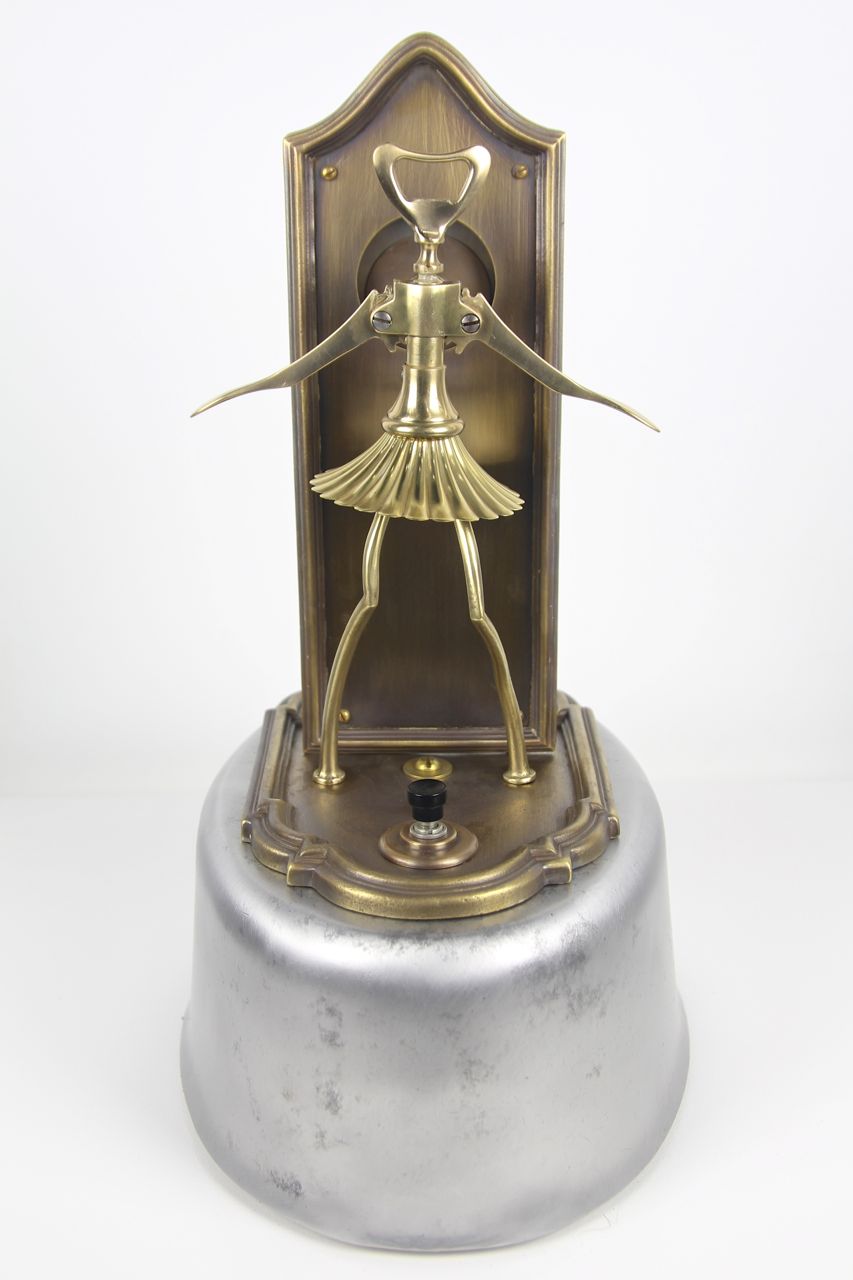
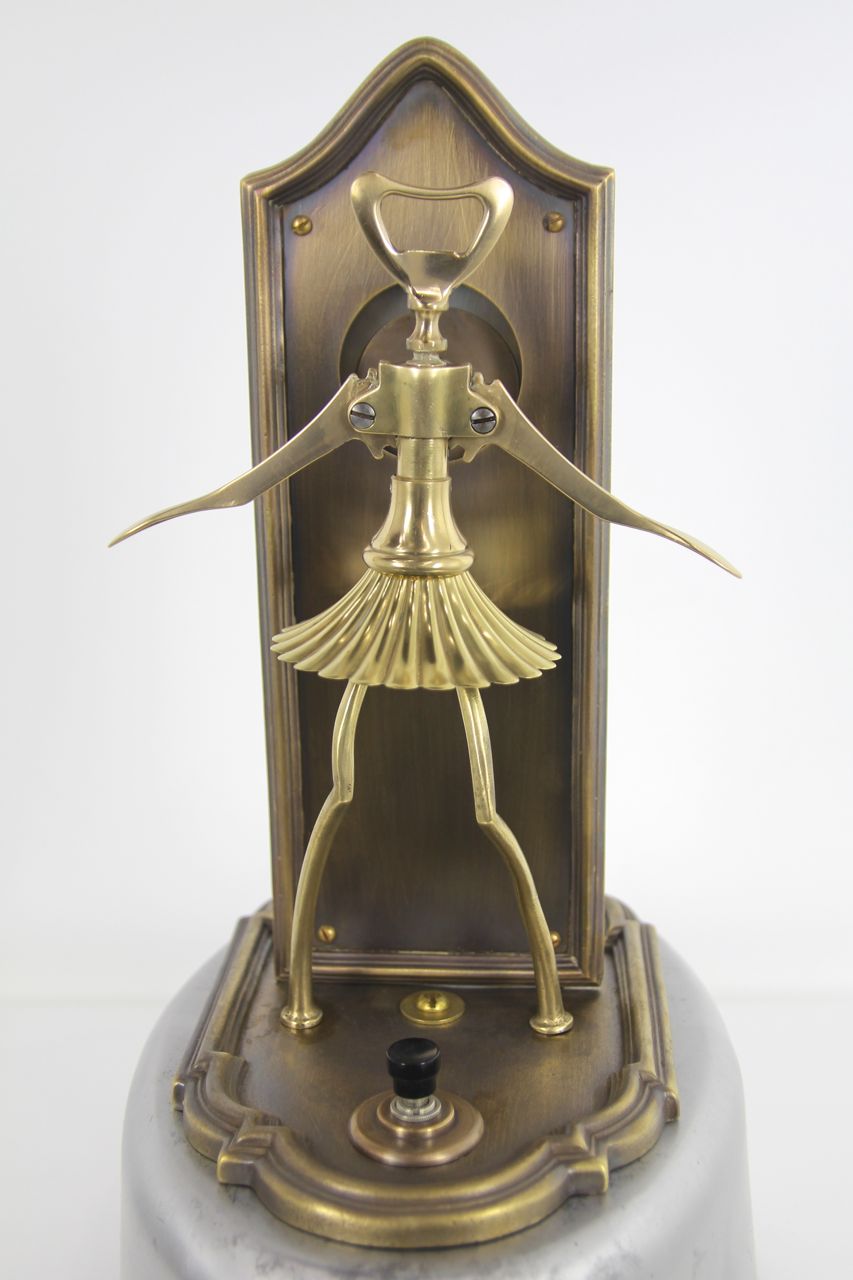
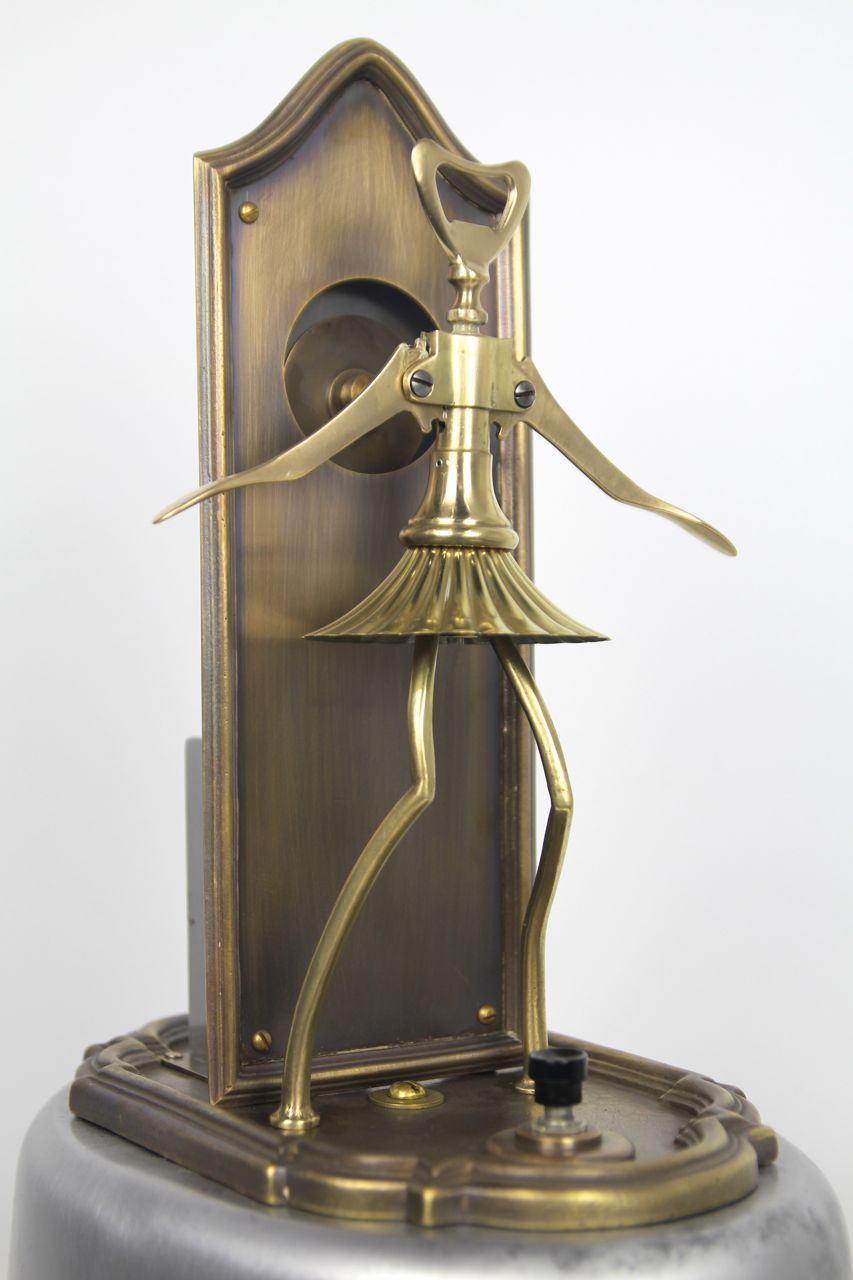
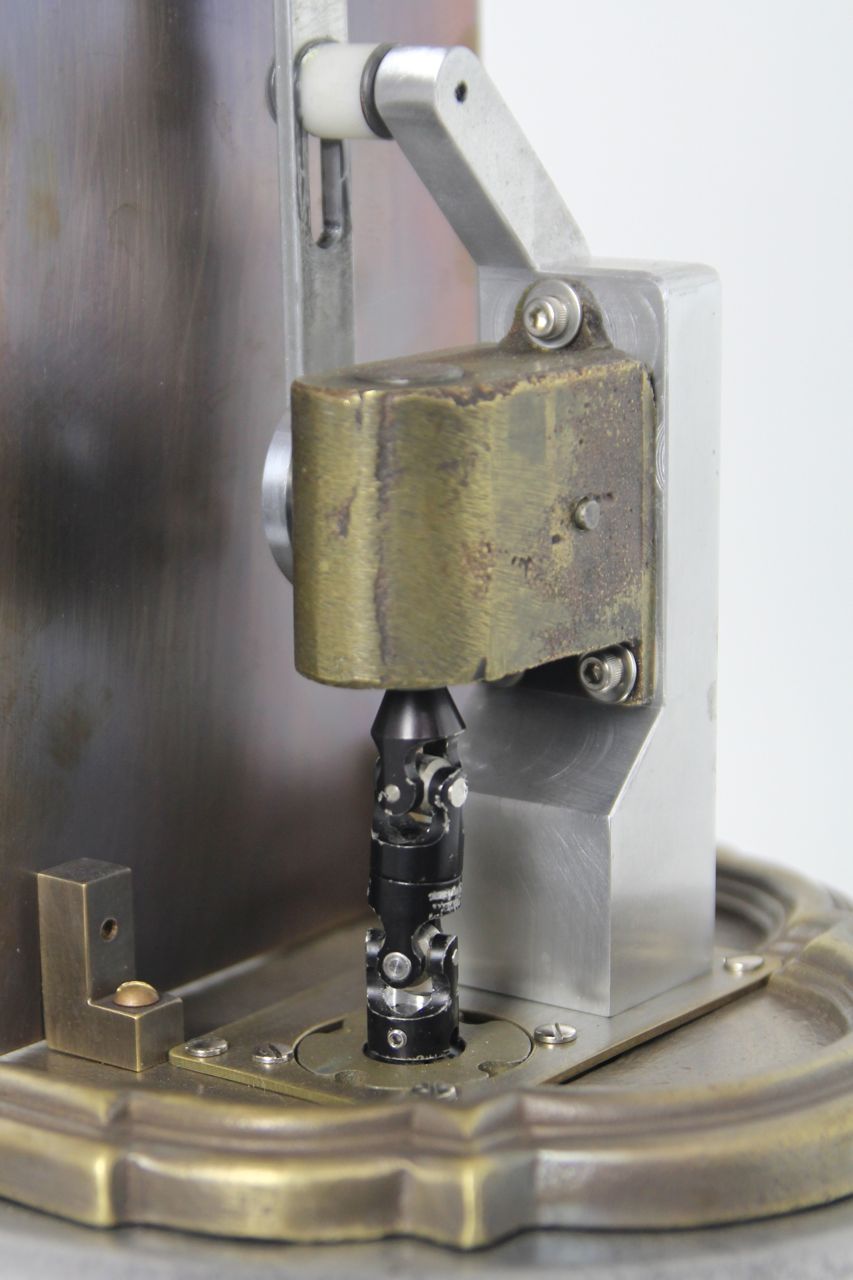
I’ve explored the corkscrews-as-people theme before, but it was the discovery of an unusual brass one that got me interested again. This piece was also an excuse to delve into patinas. Note that the figure is polished shiny, while the rest is stained a deep brown/purple.

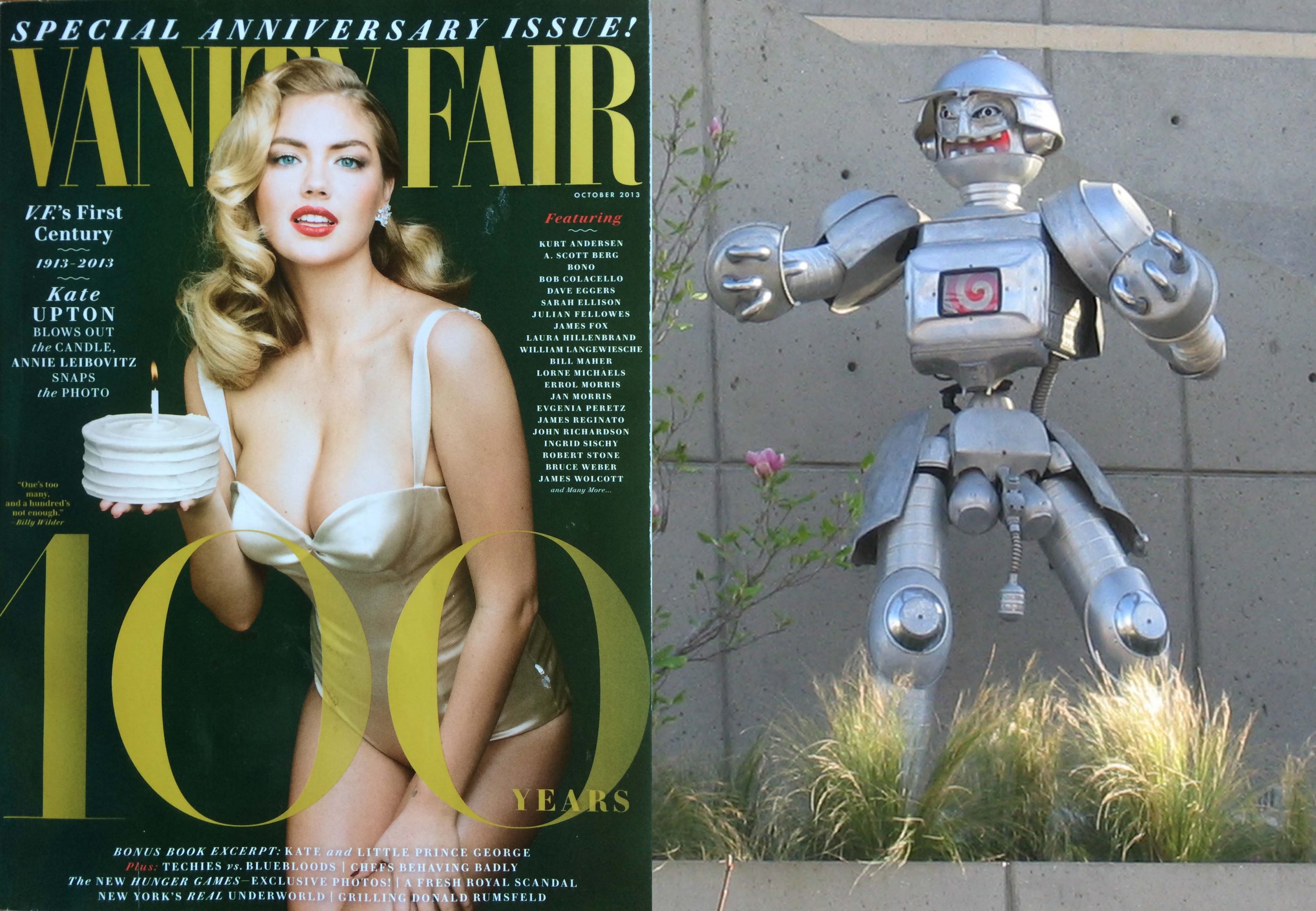
The October 2013 issue of Vanity Fair has an interesting article about the influence of socialite/tech entrepreneur Trevor Traina in bringing tech heavyweights into the Pacific Heights neighborhood of San Francisco.  Many years ago I had the good fortune to install my “Goliath” sculpture (part of my M.F.A. work at U.C. Berkeley) in this neighborhood.  The reception was mixed, as not everyone there felt he was a welcome addition.  None the less I’m pleased that the piece is still relevant to the discussion on class and taste that continues to rage on the hill.

Below is an excerpt (you can read the whole thing here) of the article where the sculpture is mentioned:

Some bad blood followed Ellison (thats Larry Ellison of Oracle) to the Gold Coast when Nicola Miner- daughter of the Oracle co-founder Robert Miner, with whom Ellison had clashed- bought across the street from him and erected on the terrace a nine-foot robot sculpture which you can’t help but notice is male, due to the steel gas-pump nozzle and hose he has for a penis.  It’s aimed directly at Ellison’s house.  “There was a lot of talk about this being a thumbing of the nose at Larry,” recalls Traina.  But Miner replies that the robot “has nothing whatsoever to do with my father’s (or my) relationship with Larry Ellison,” which she describes as “largely harmonious…. We just thought it would make a fun contrast to our serious neighborhood…though I do know some neighbors disagree.”

An image of the sculpture did not actually appear in the article, I just couldn’t resist photoshopping him next to Kate Upton.  The second image is a helpful map that illustrates the sort of company that Goliath now keeps.

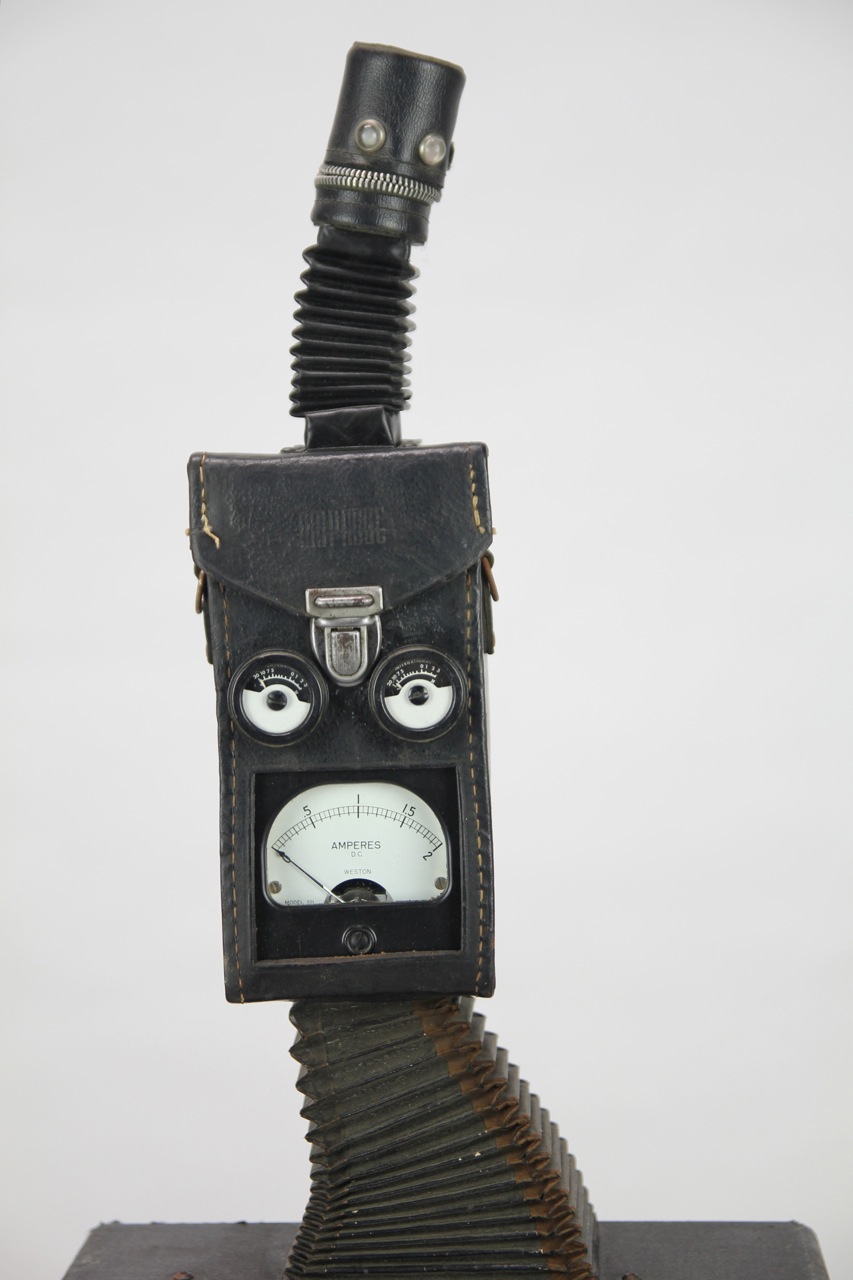
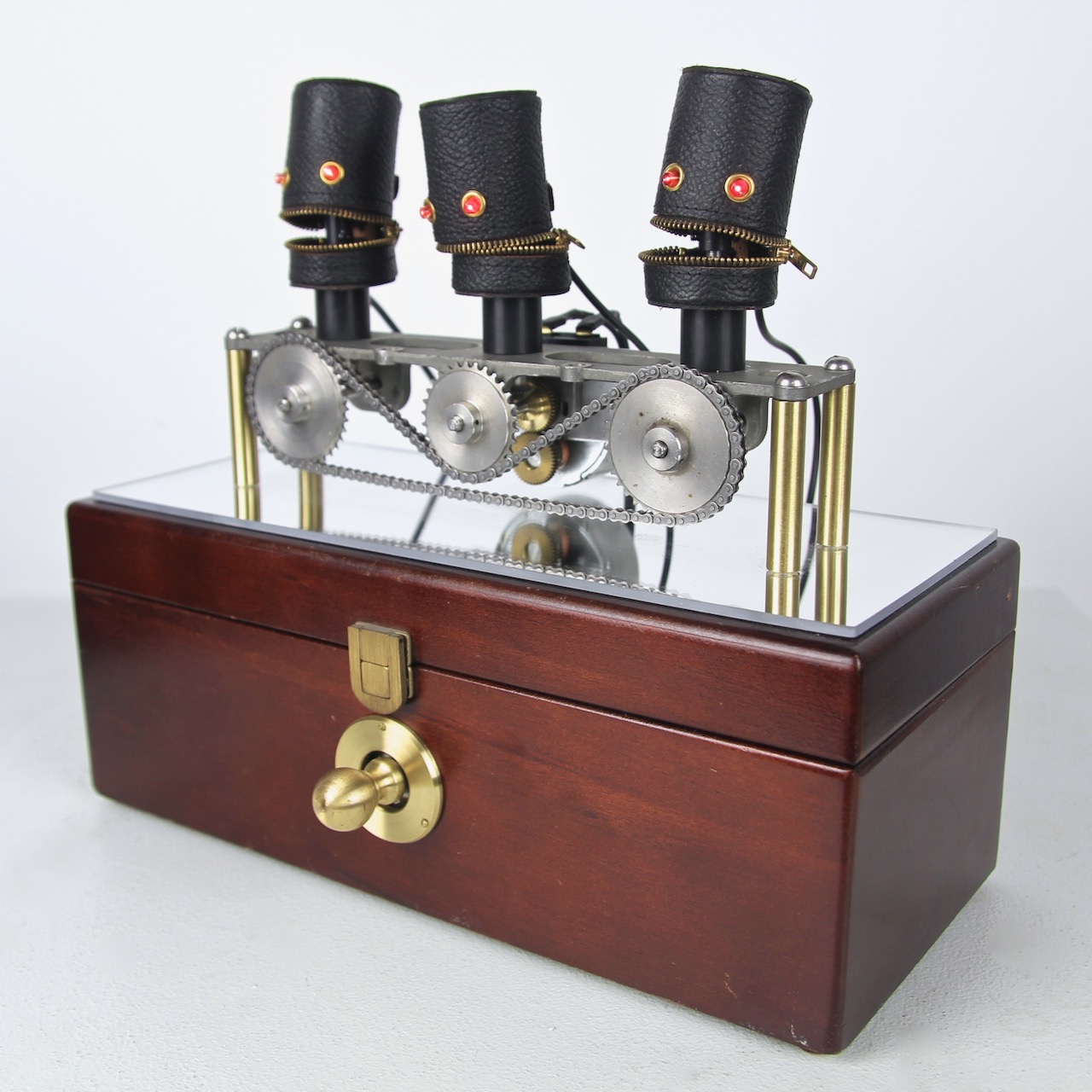
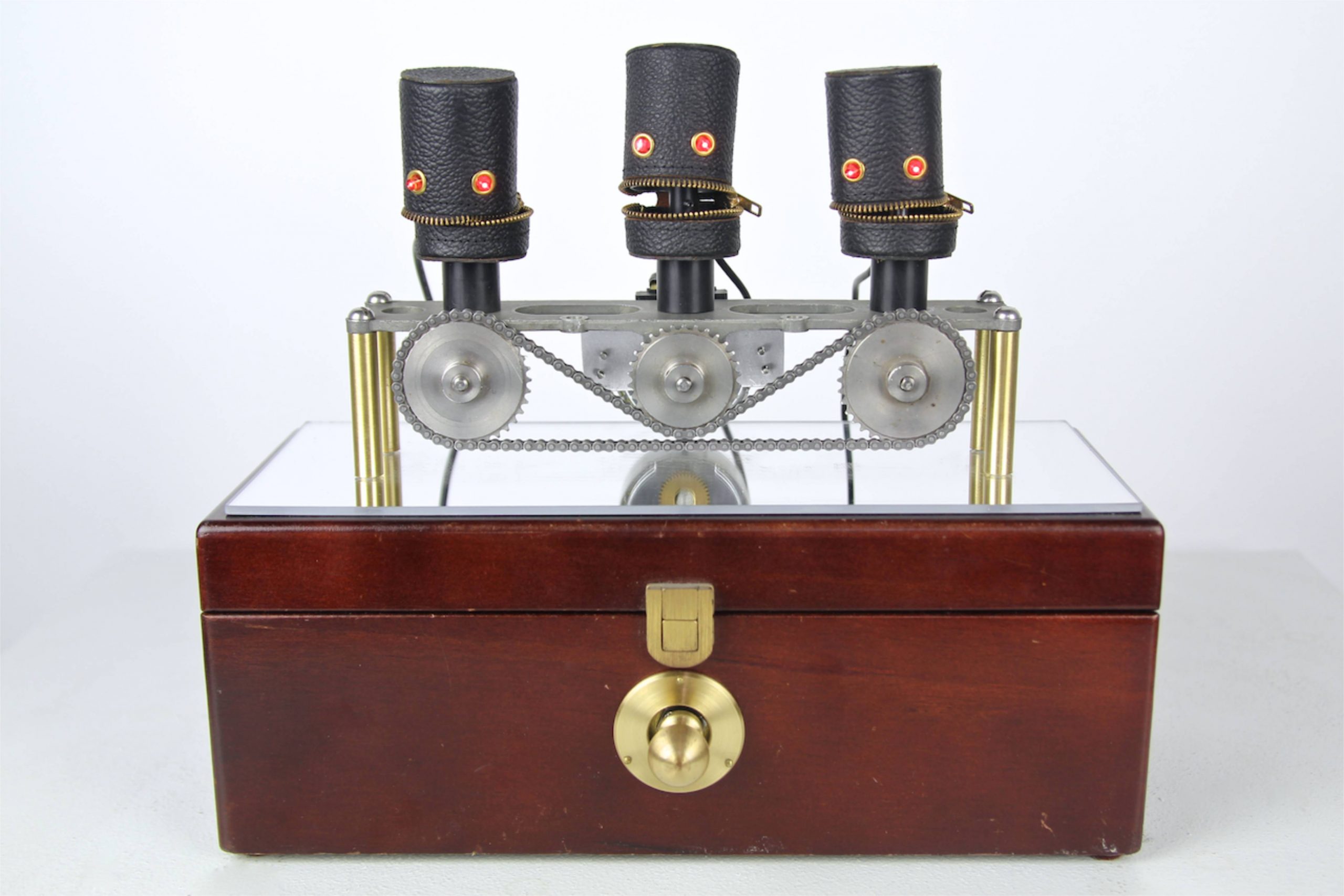
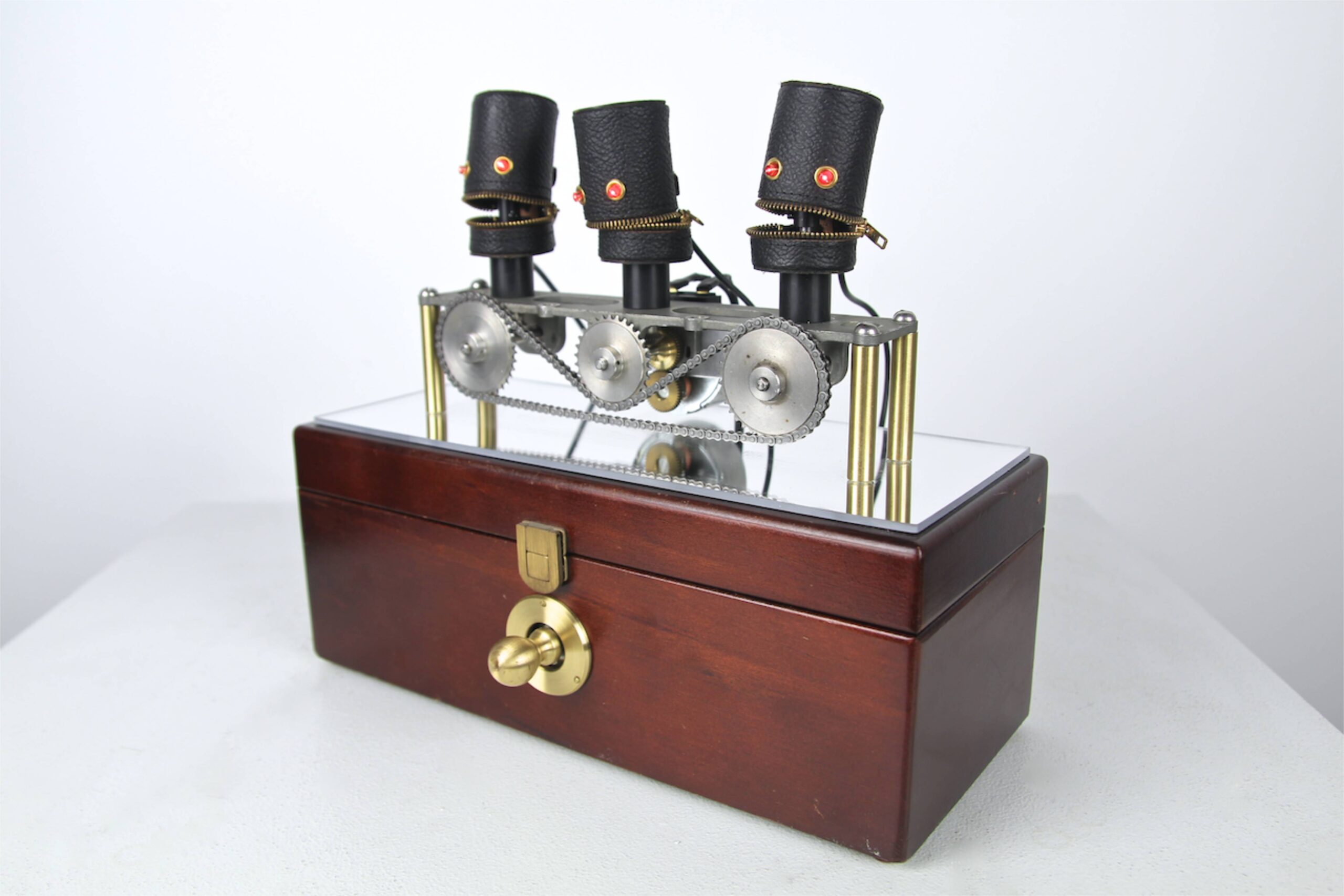
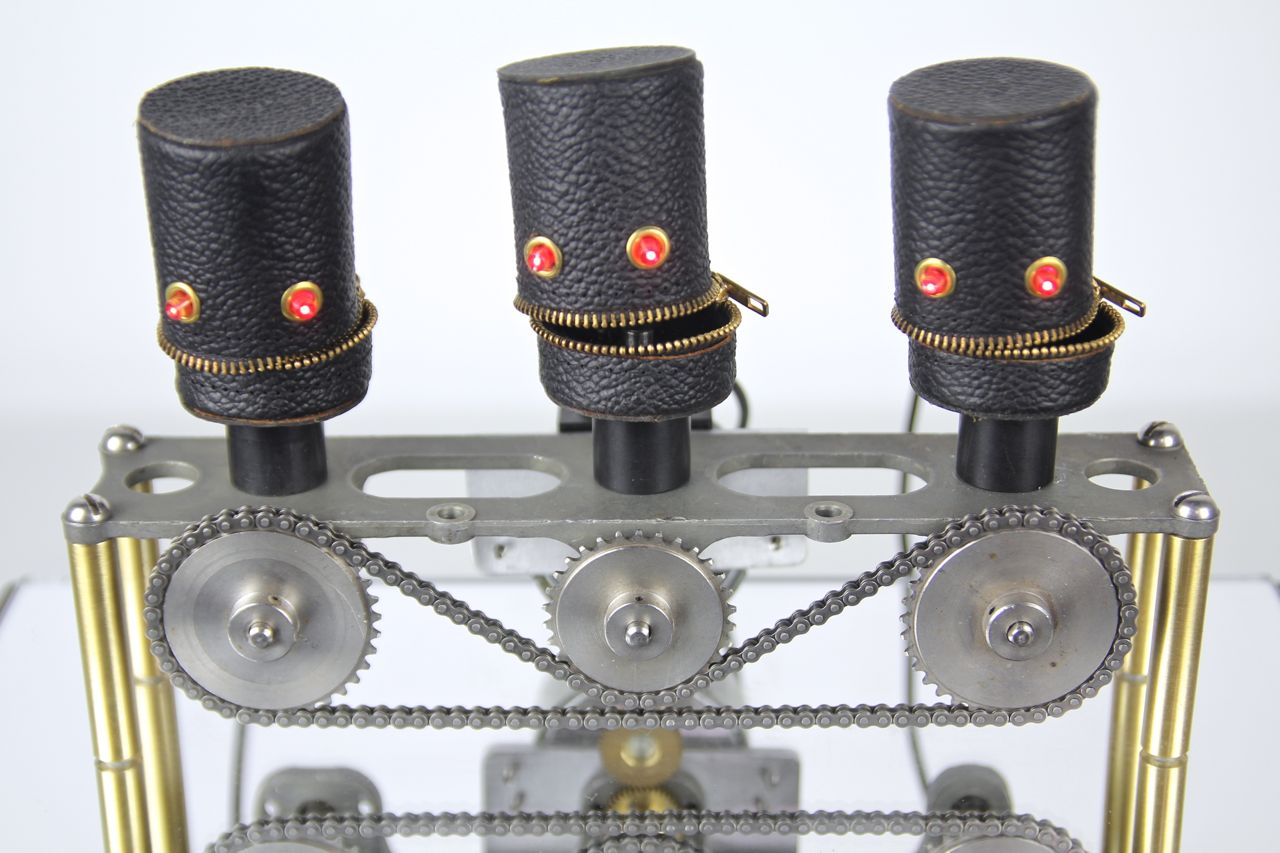
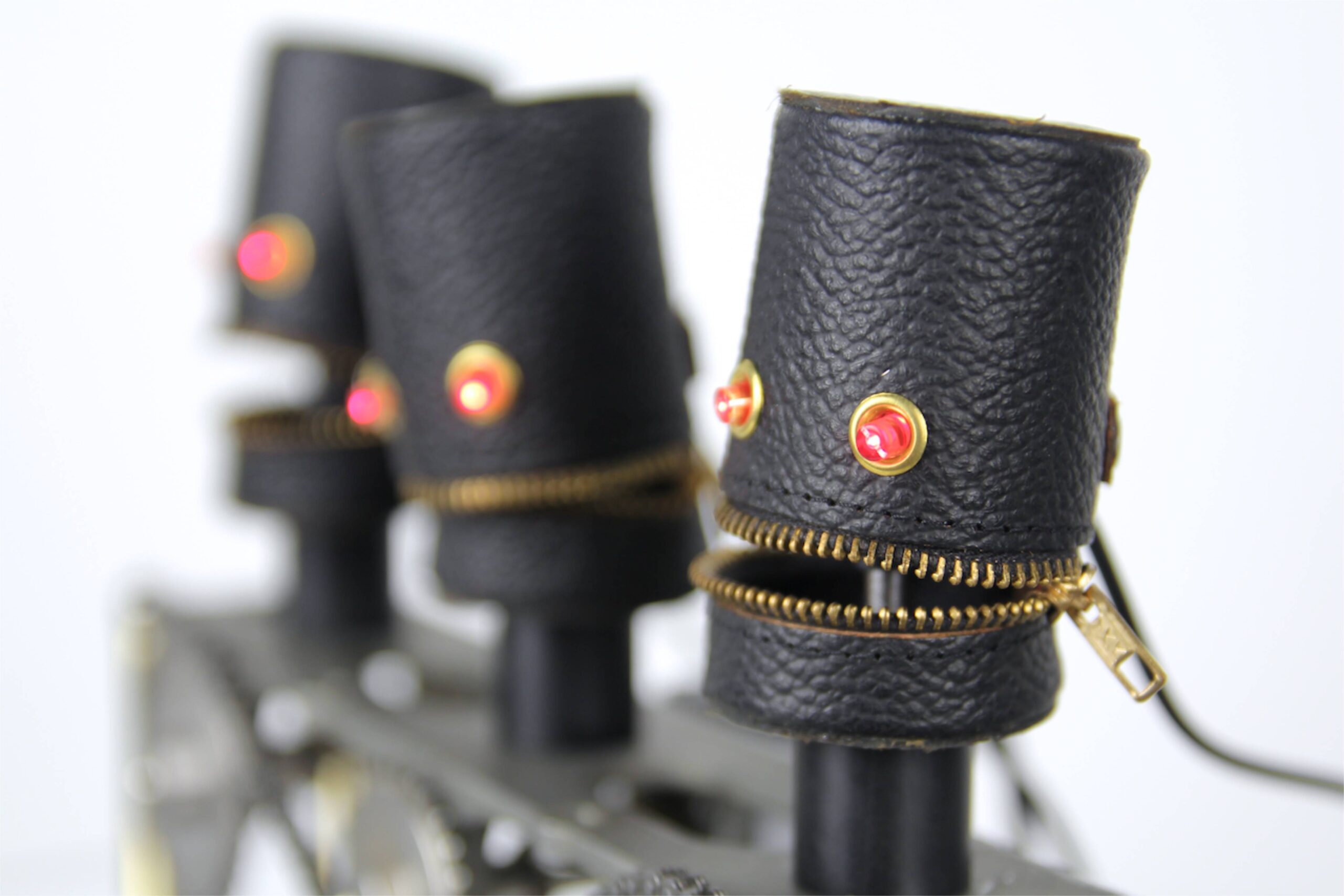
These guys are a quiet riot! The inspiration came from the little film canisters that form their heads. I had done this once before with the piece “Head Case #2“. Recently I came across several more cases at a flea market and couldn’t resist making a chorus line of them.

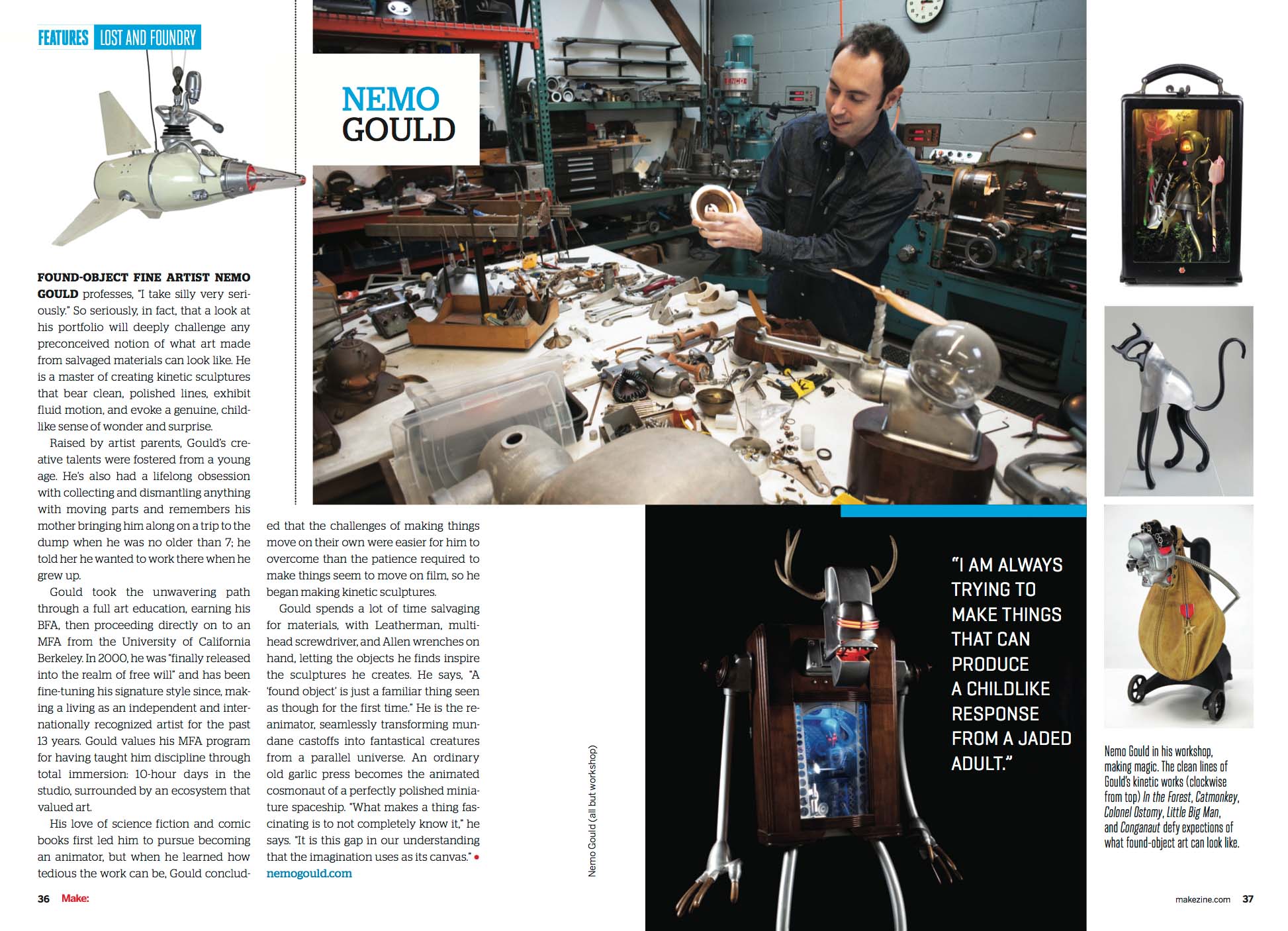
Goli Mohammadi wrote a very thoughtful and thorough article about my studio/gallery collective “Lost & Foundry” for issue 34 of Make Magazine.  Our combined interests in making, sharing and promoting art are discussed as well as personal profiles of myself, Jeremy Mayer, Christopher Palmer, and Alan Rorie.

The people at Make have been hugely supportive of artists and makers like myself over the years and it is a pleasure to have our story told in their magazine.

Click here to read the full article (14.9 MB)

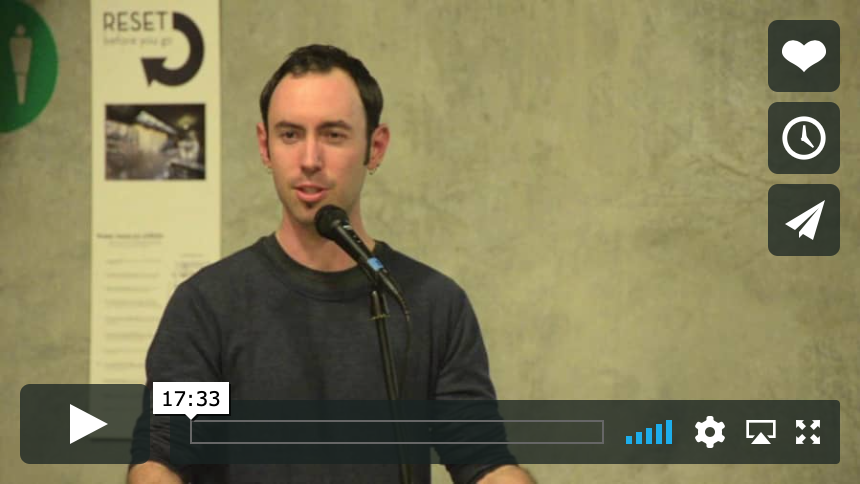
In February of 2013 I had the honor of participating in The Liu Lecture Series in Design at Stanford University.  The video to the left shows the lecture in its entirety.

The shorter video below is from the question and answer period at the end.  The students questions led to some interesting discussions about the practicalities of creative life.

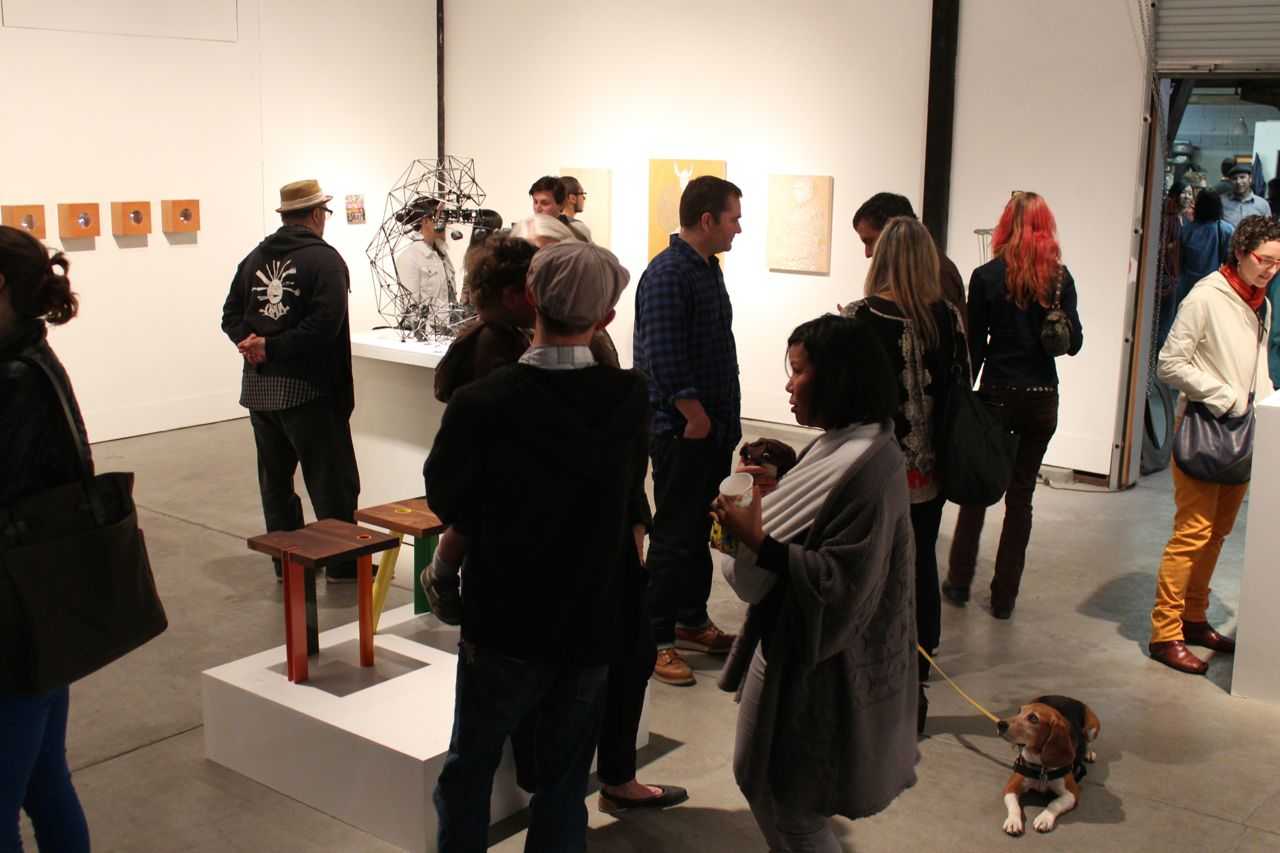
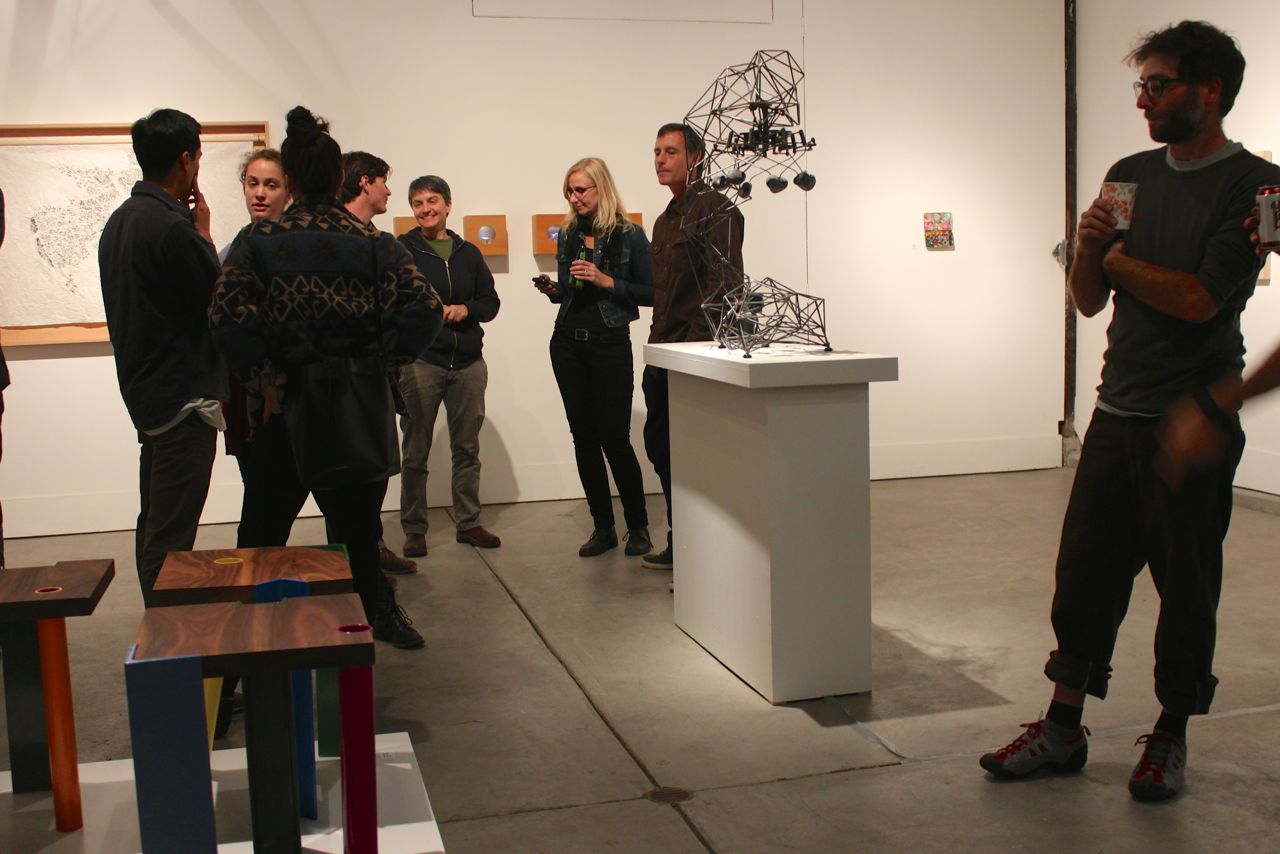
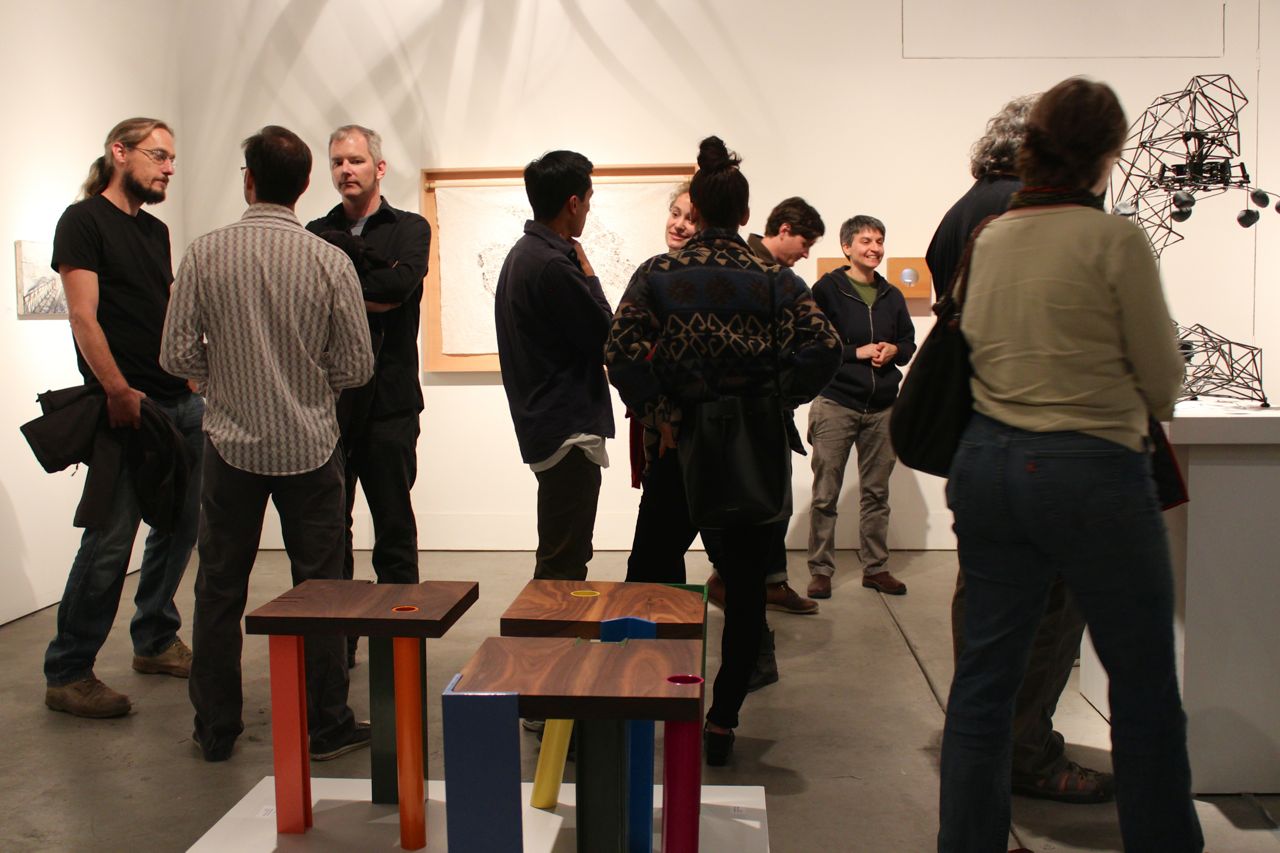
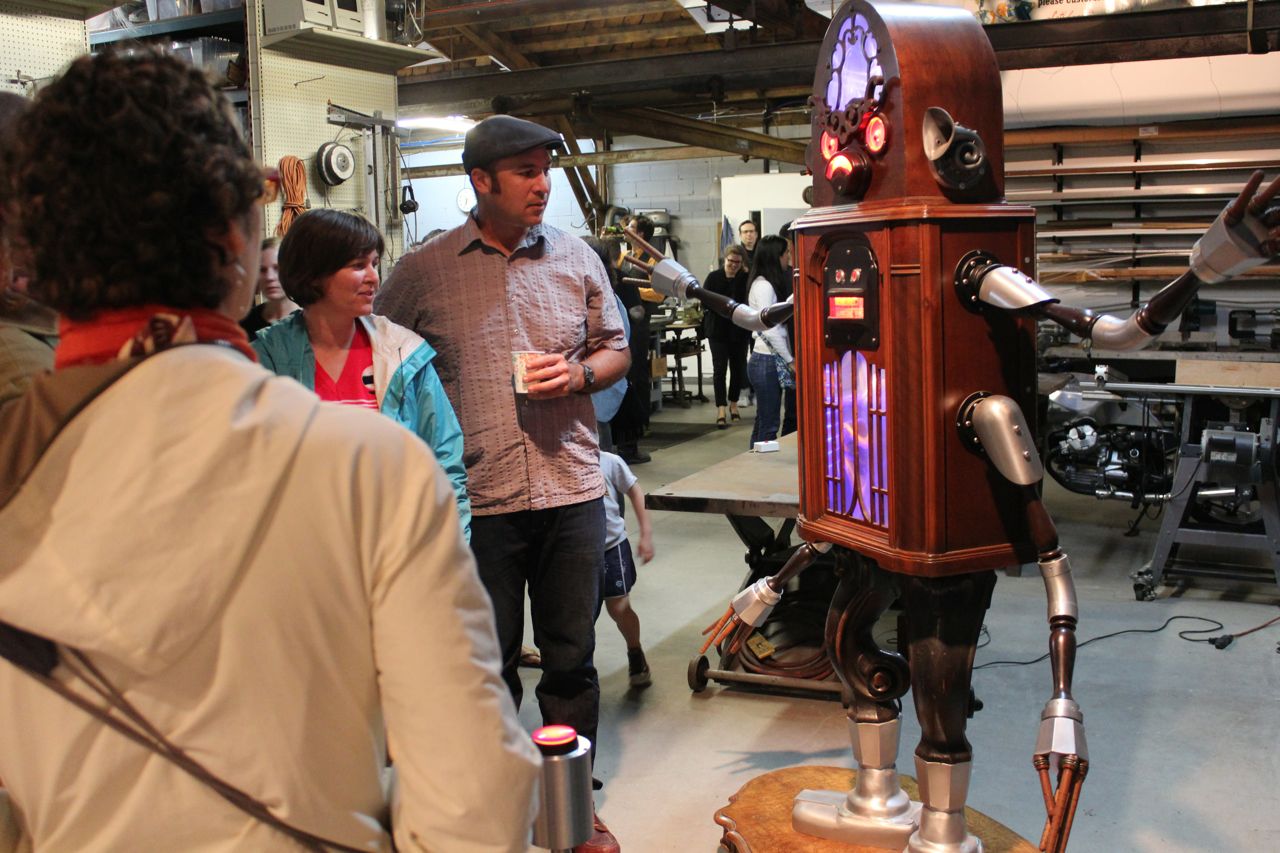
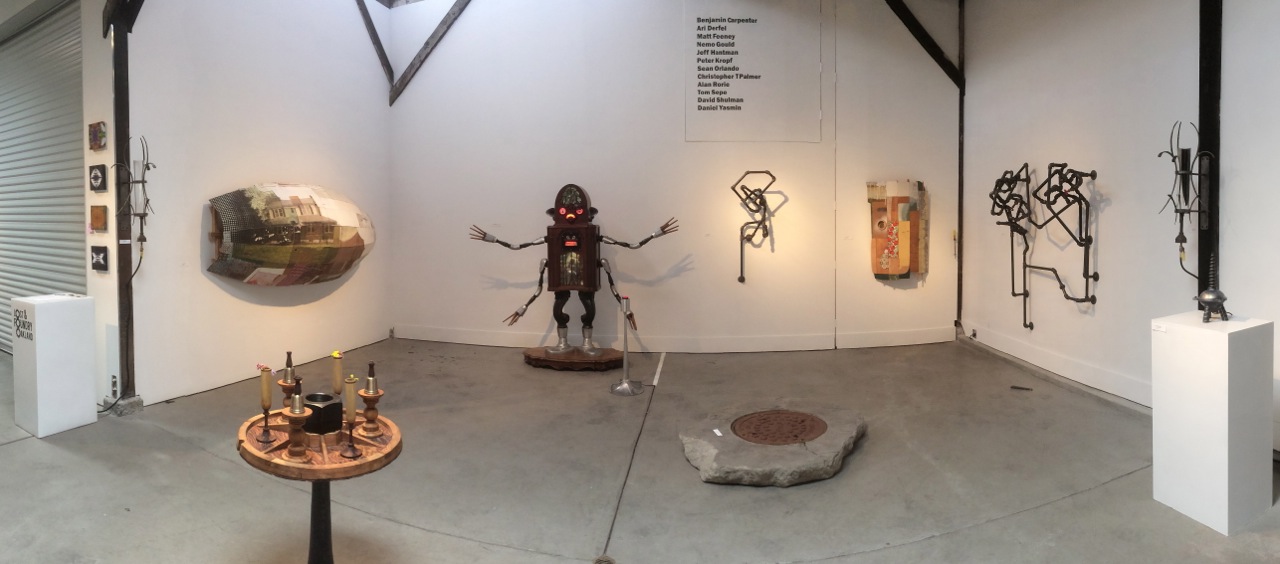
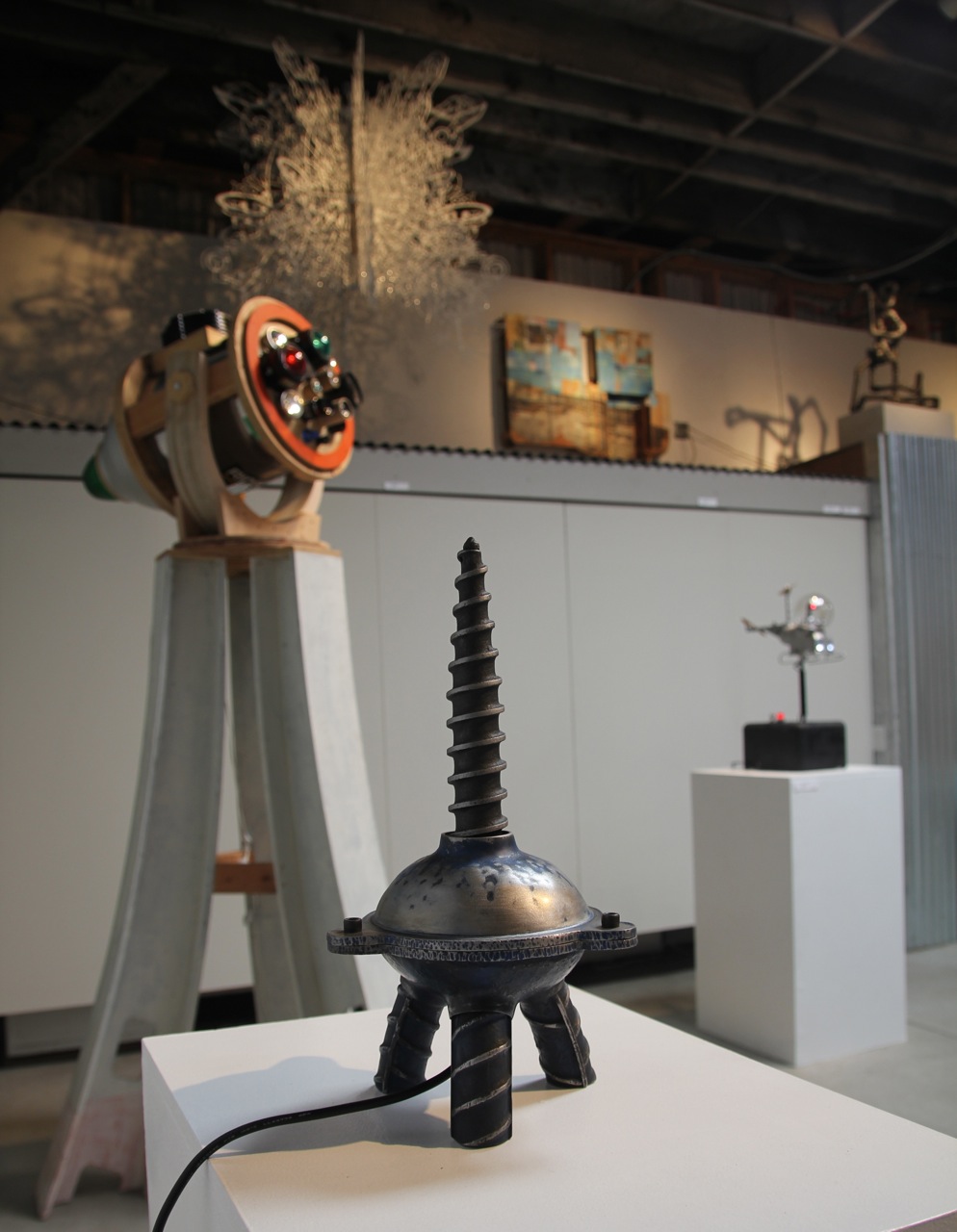
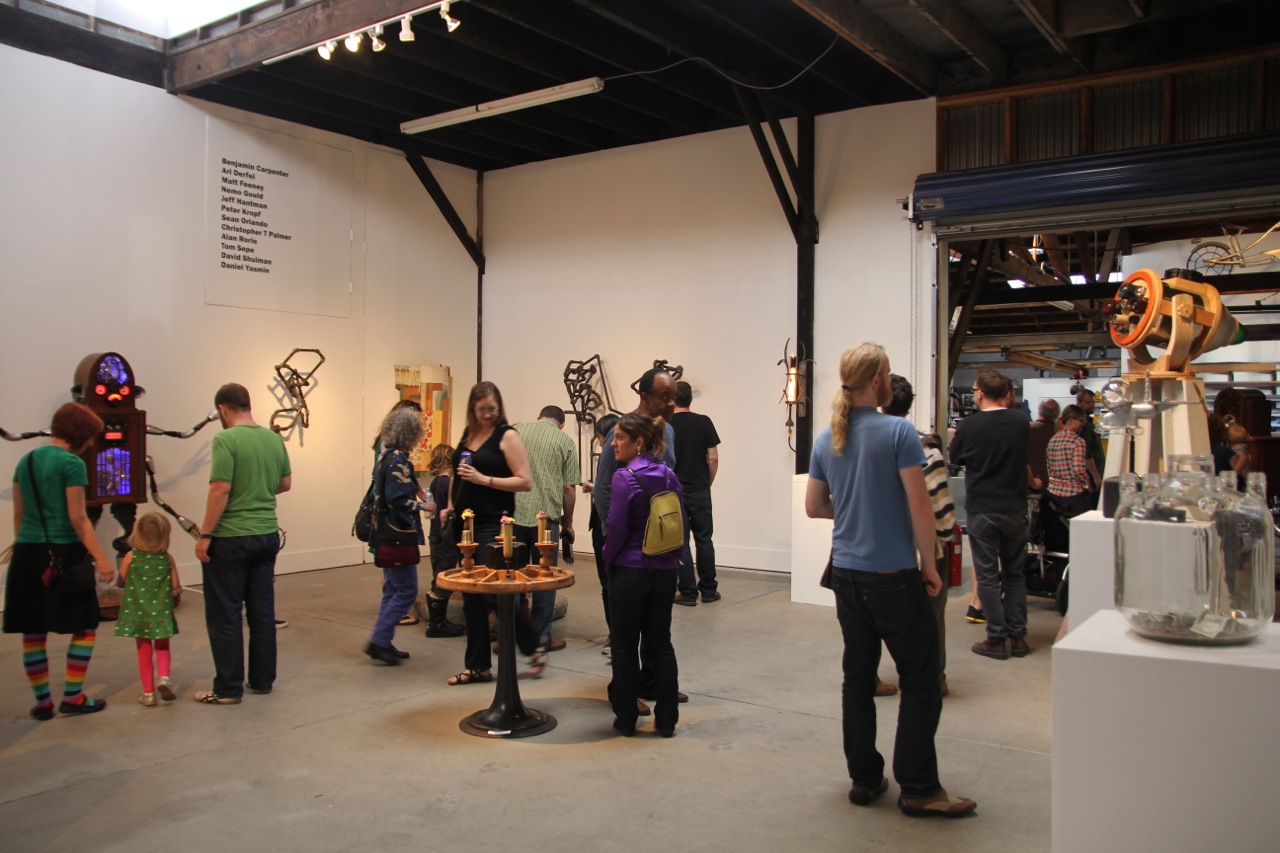
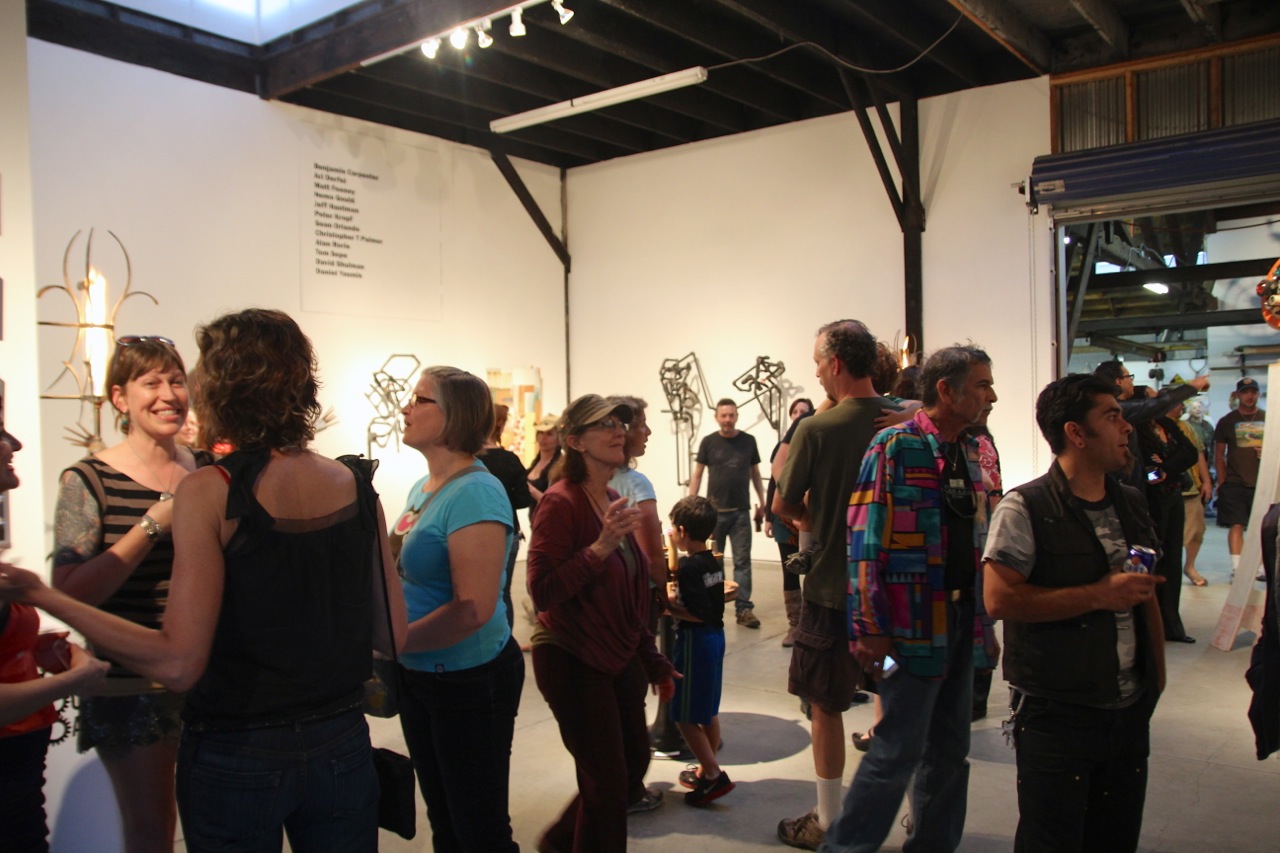
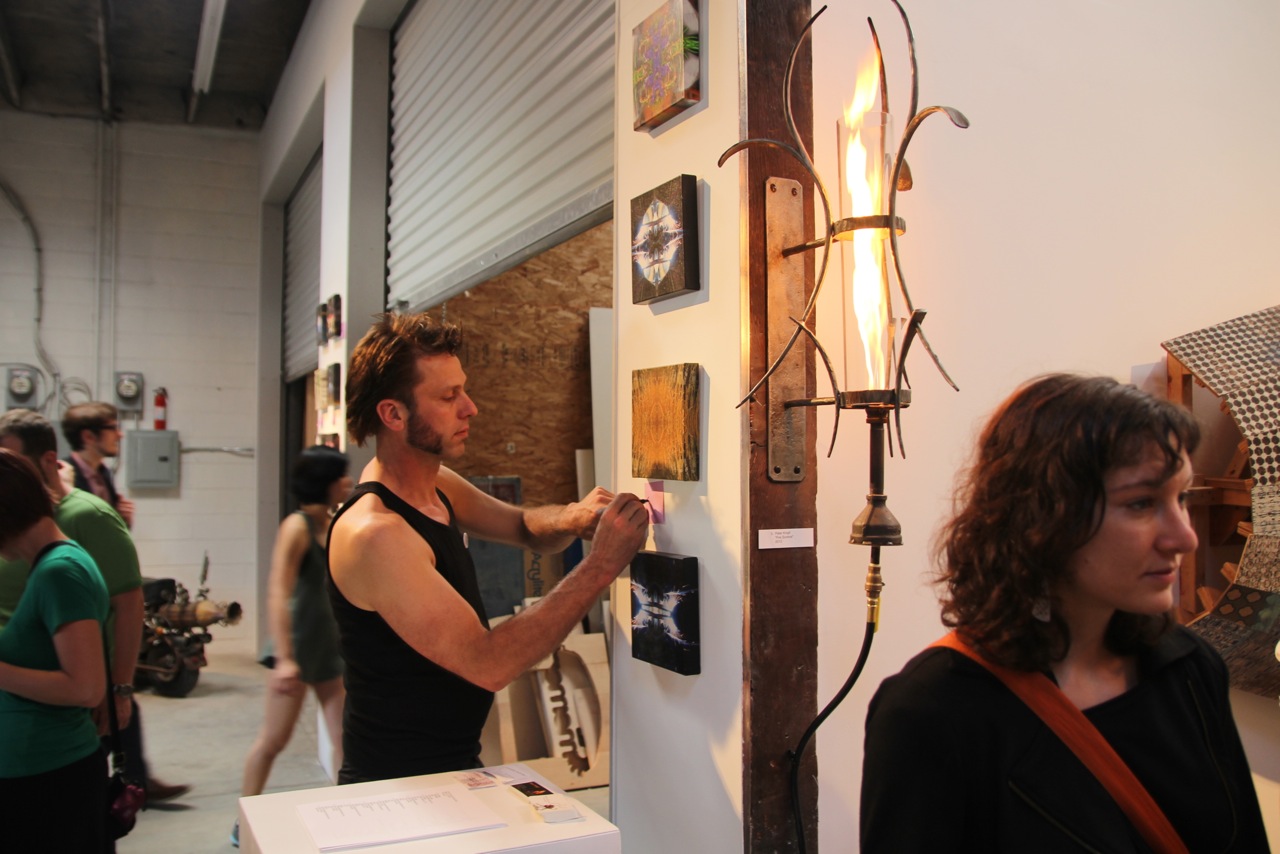
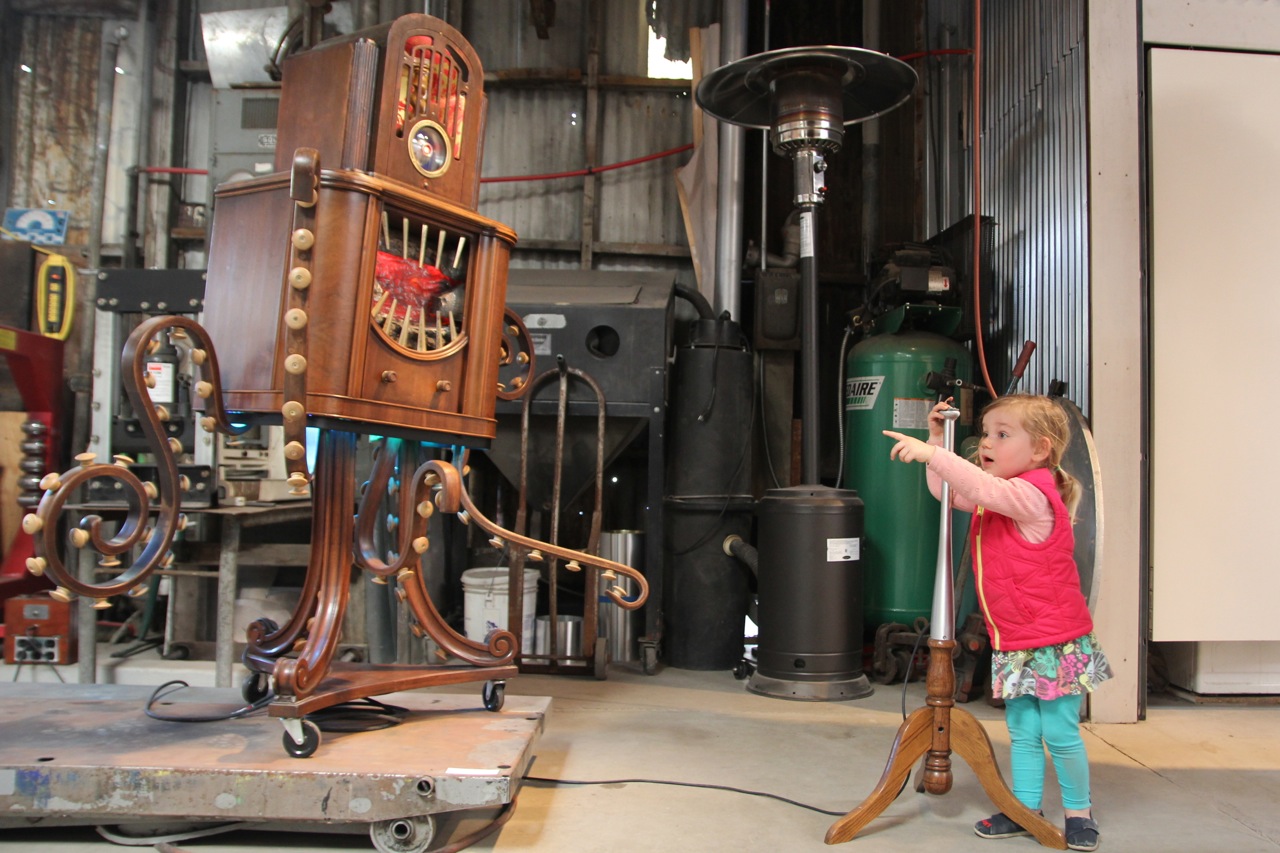
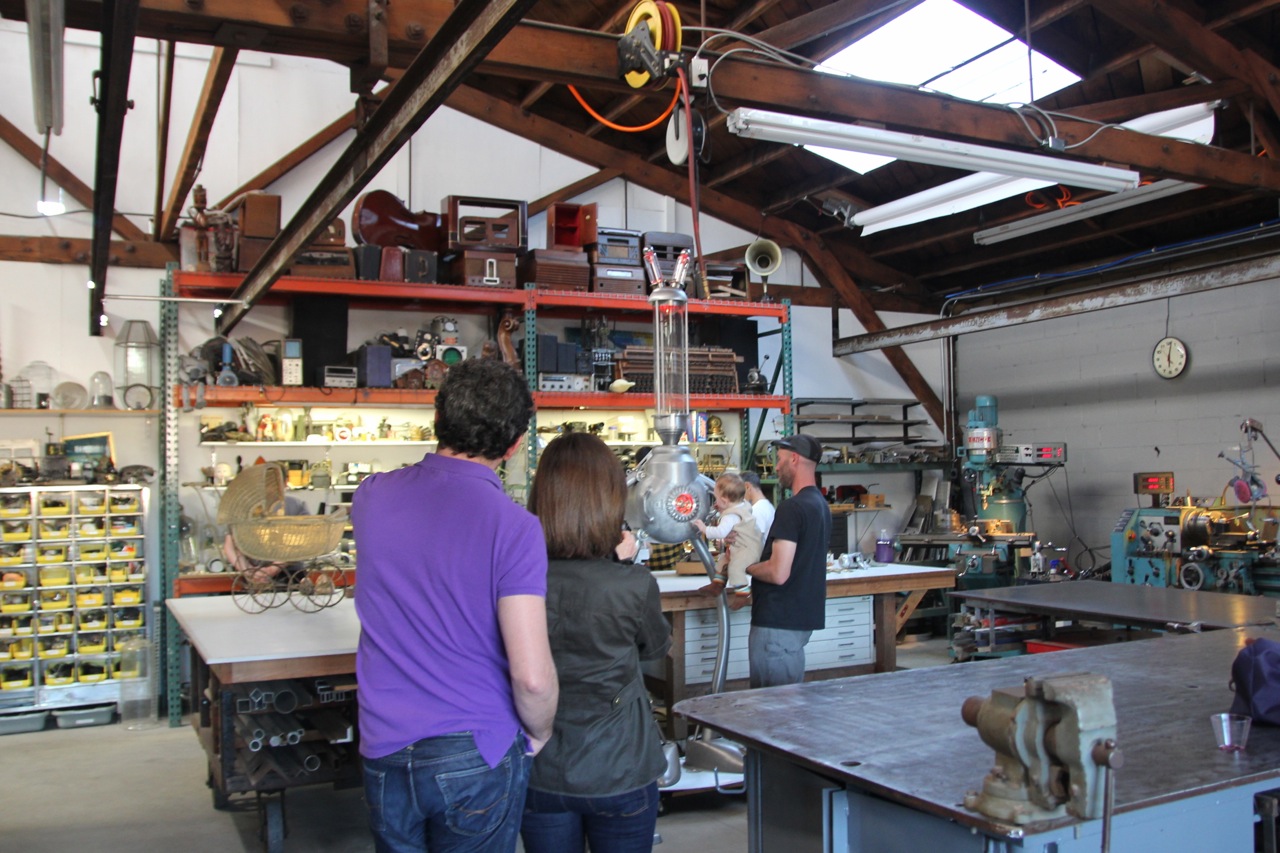
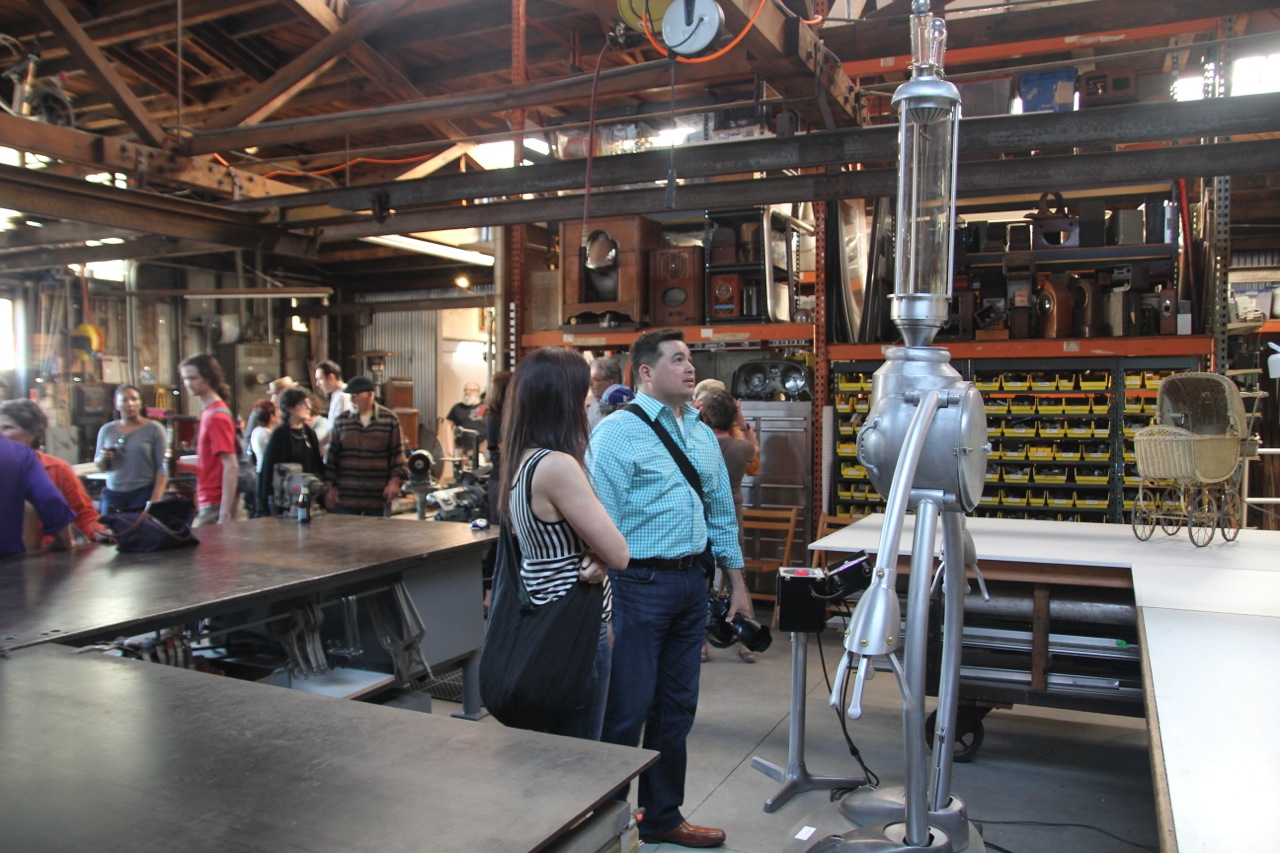
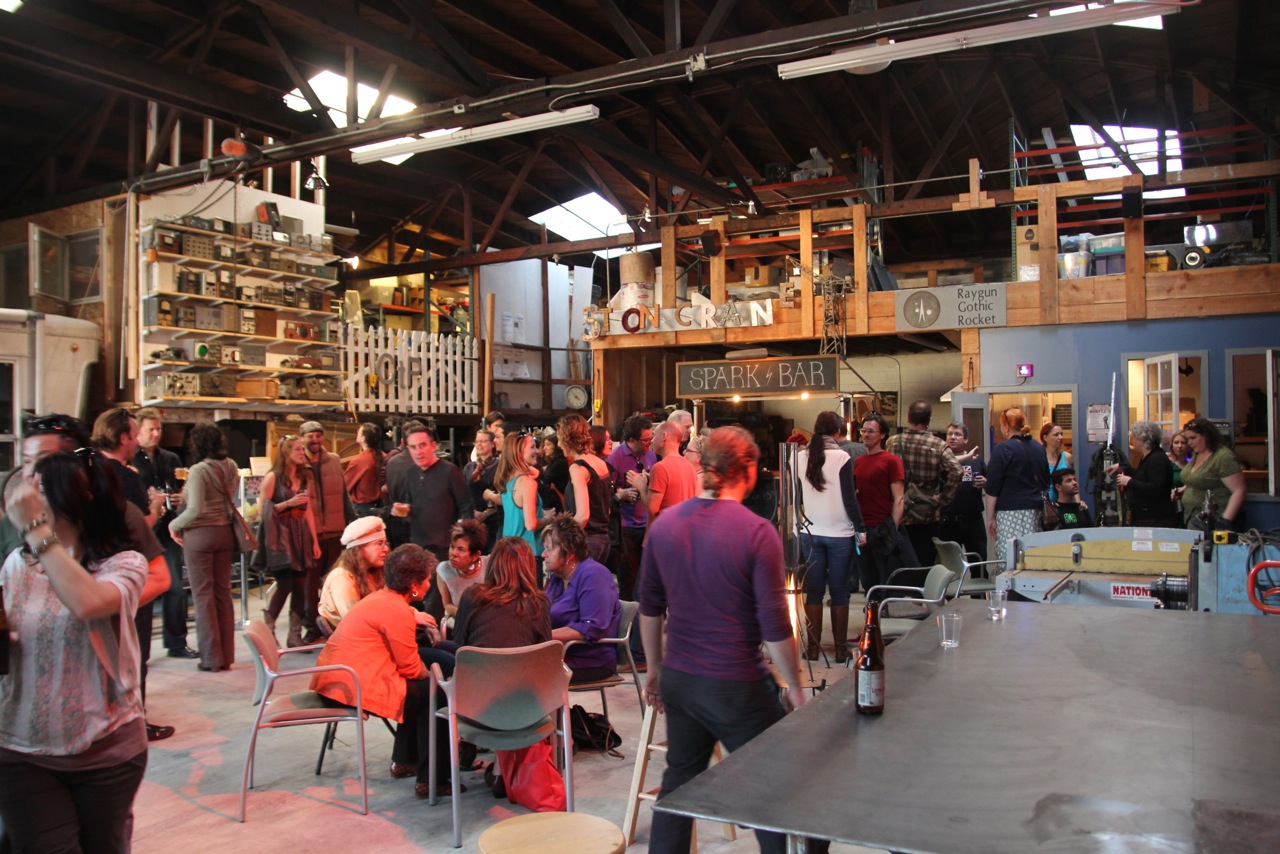
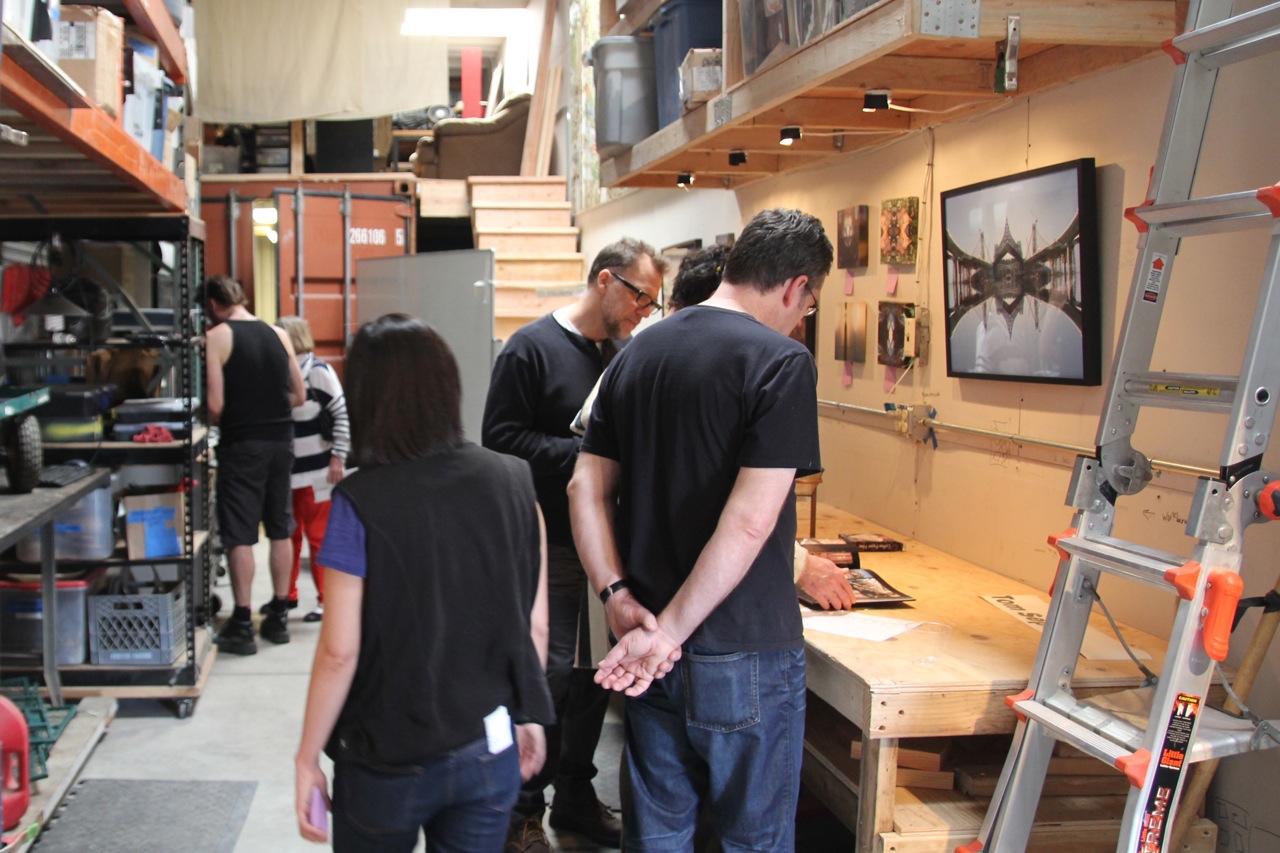
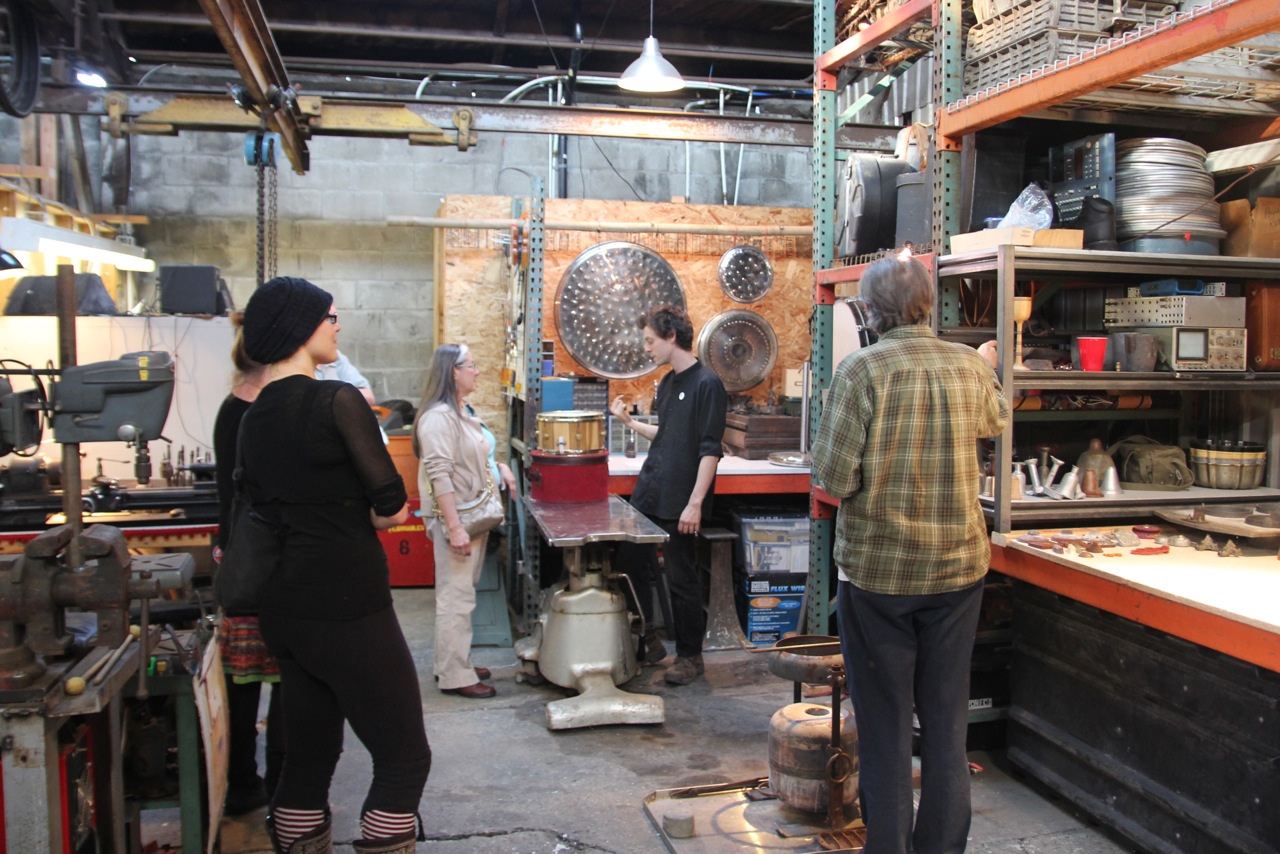
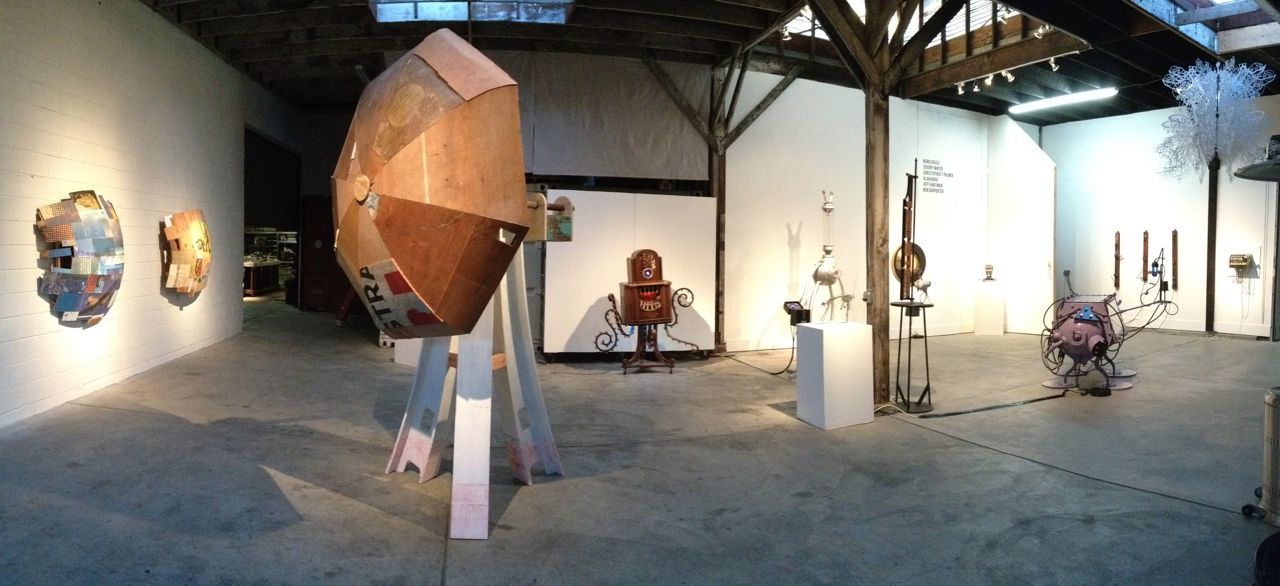
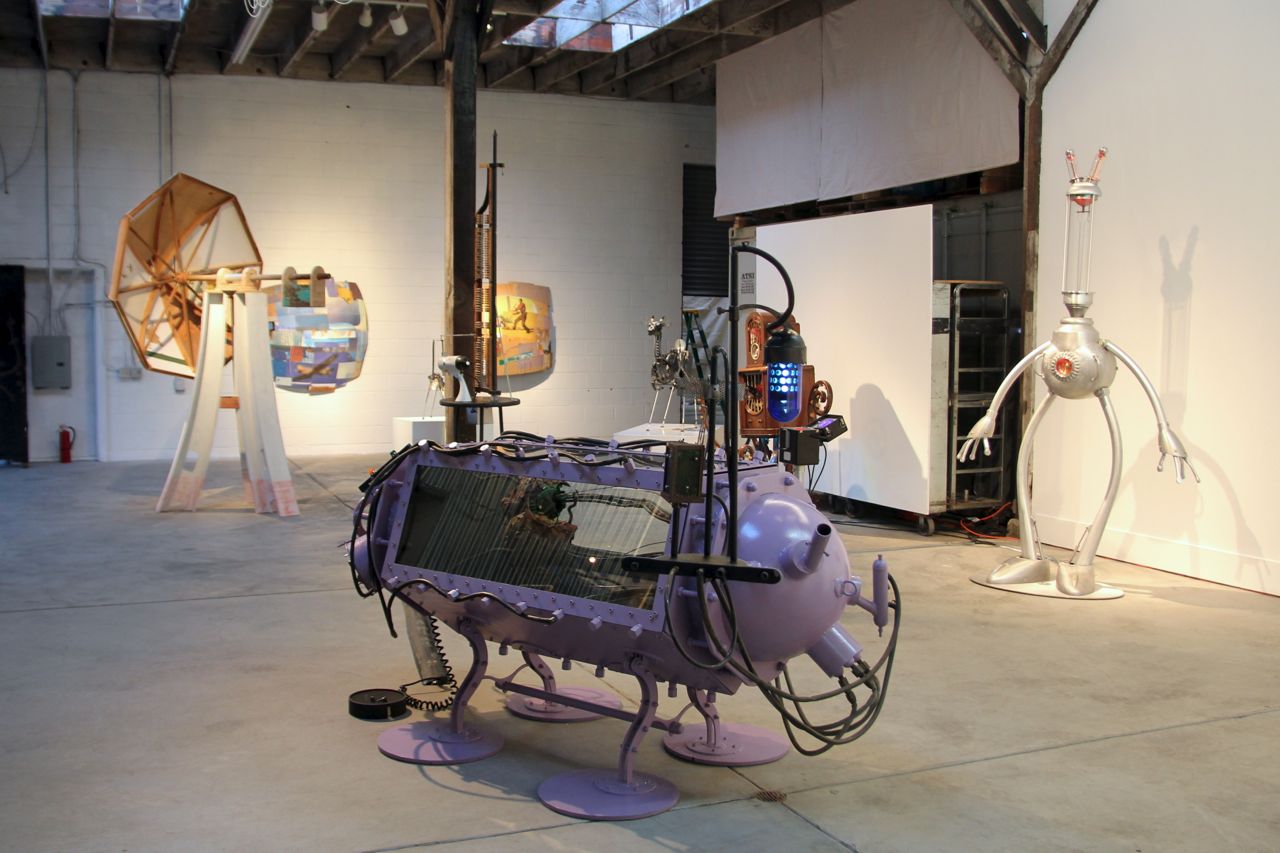
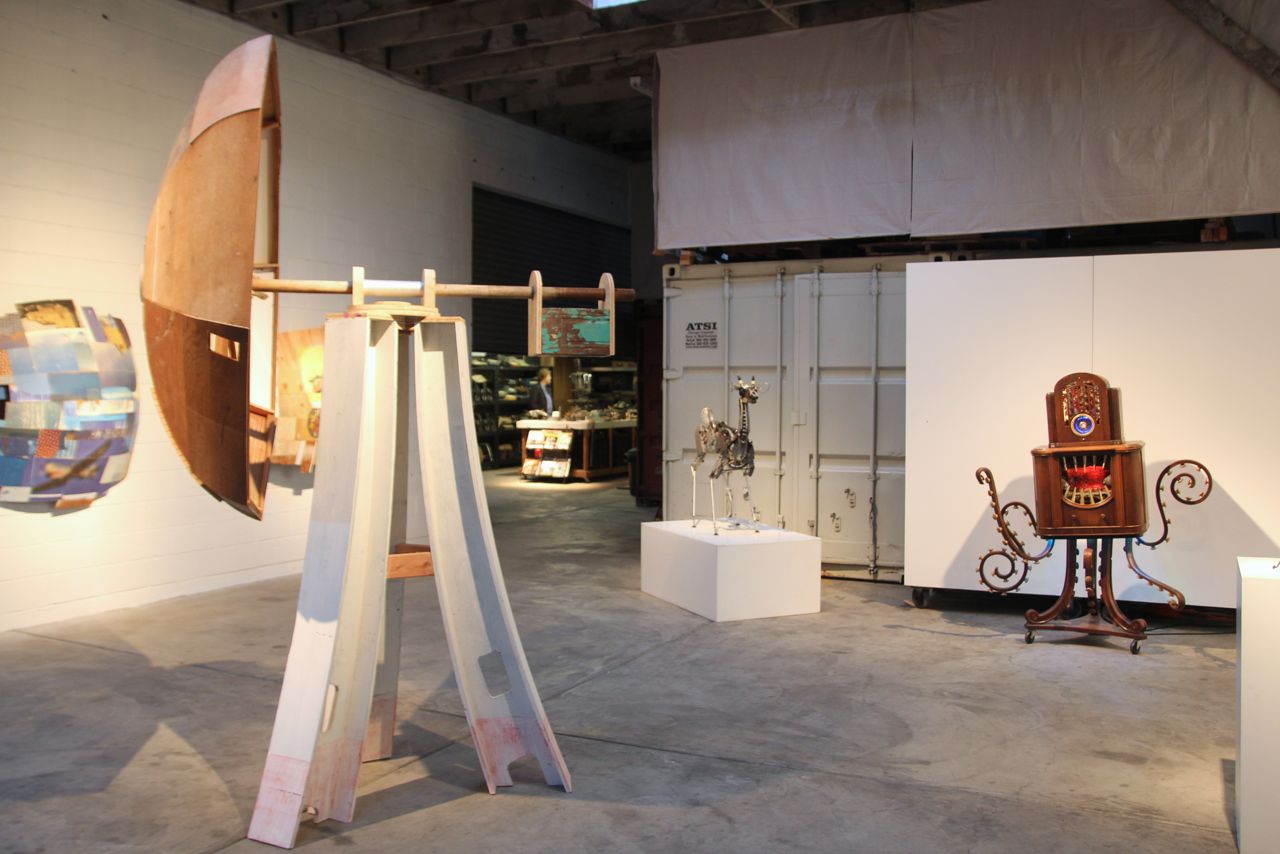
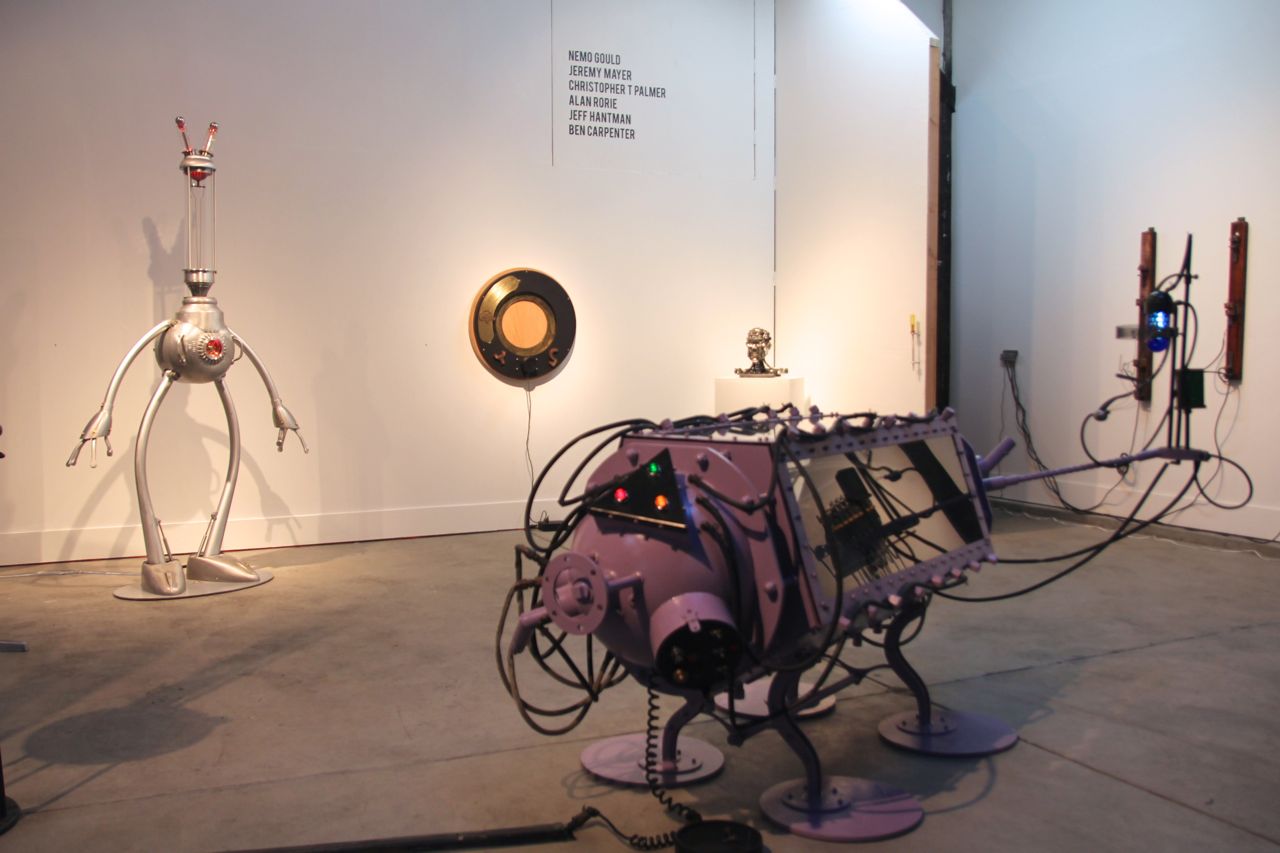
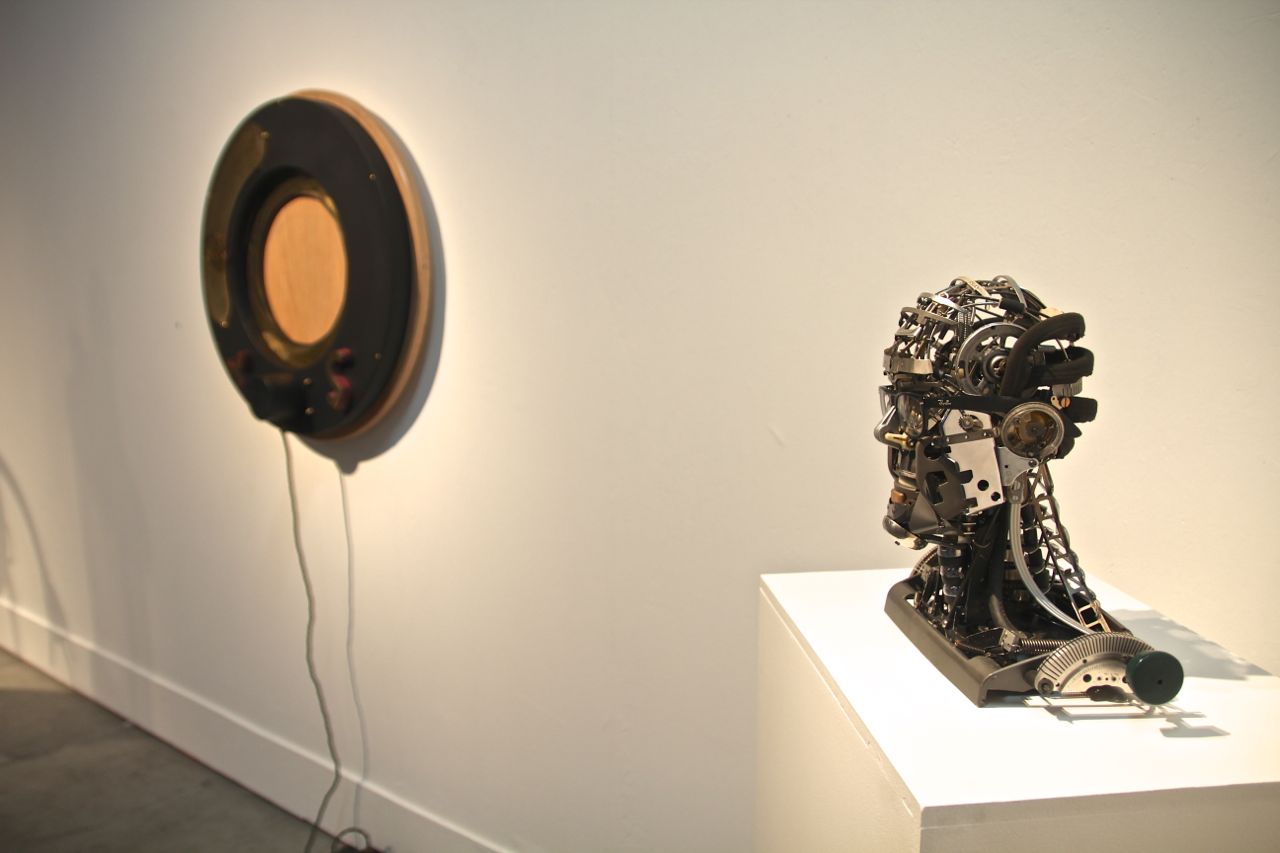
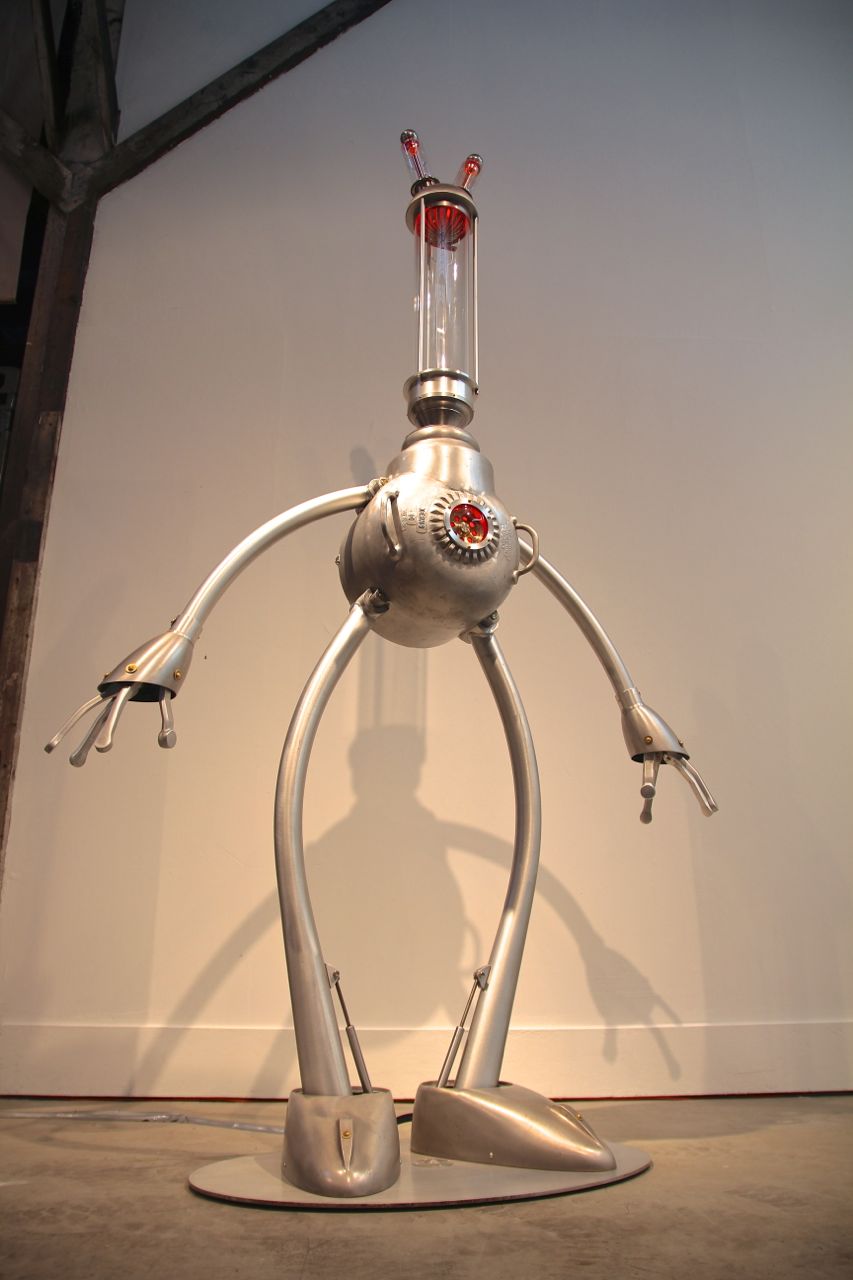
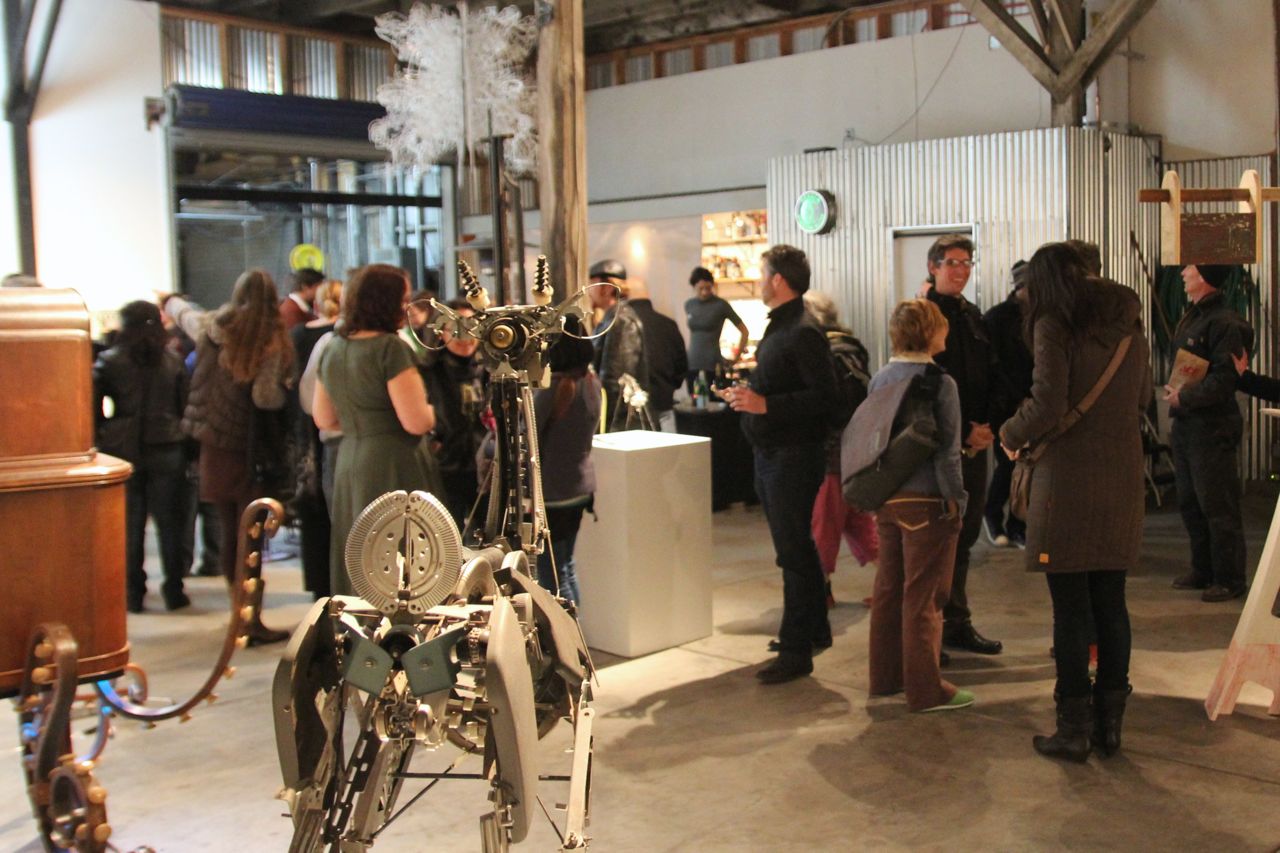
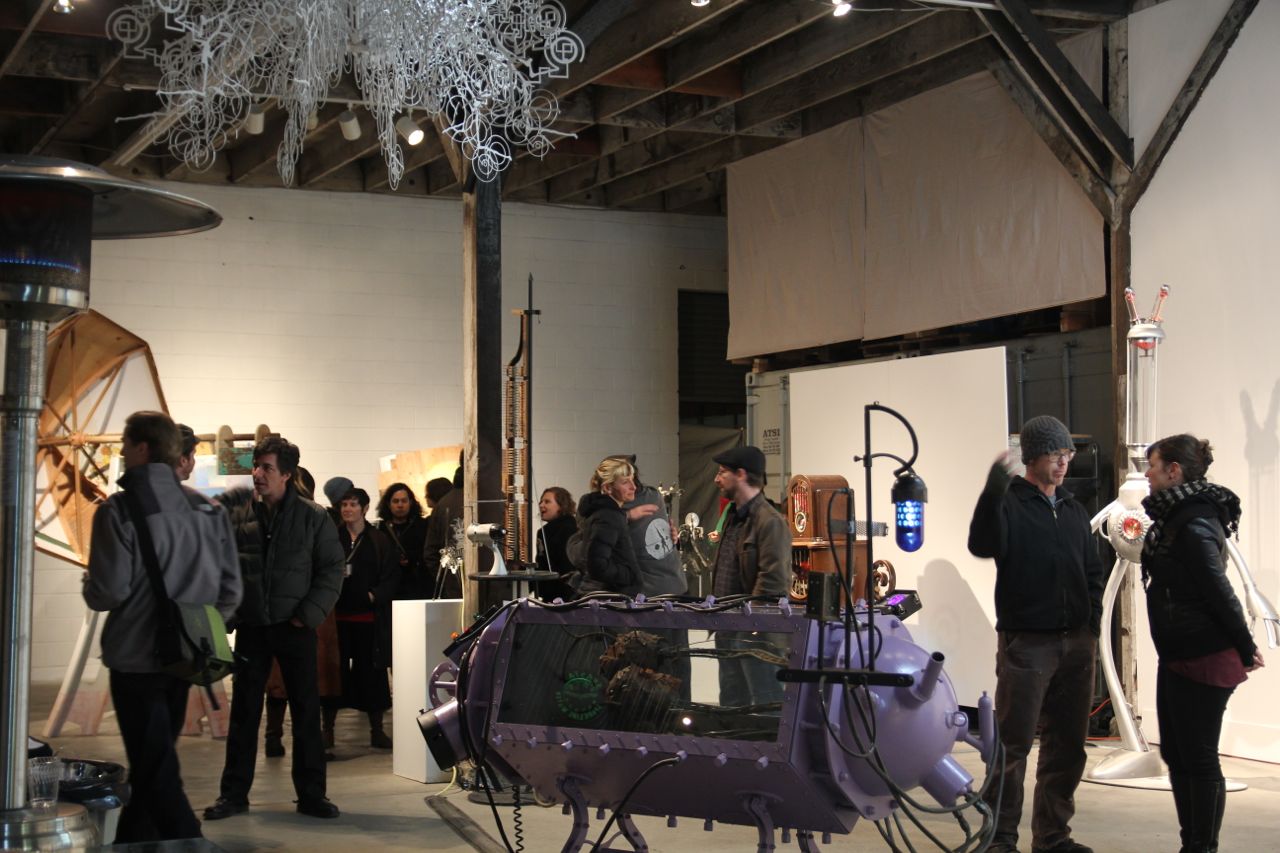
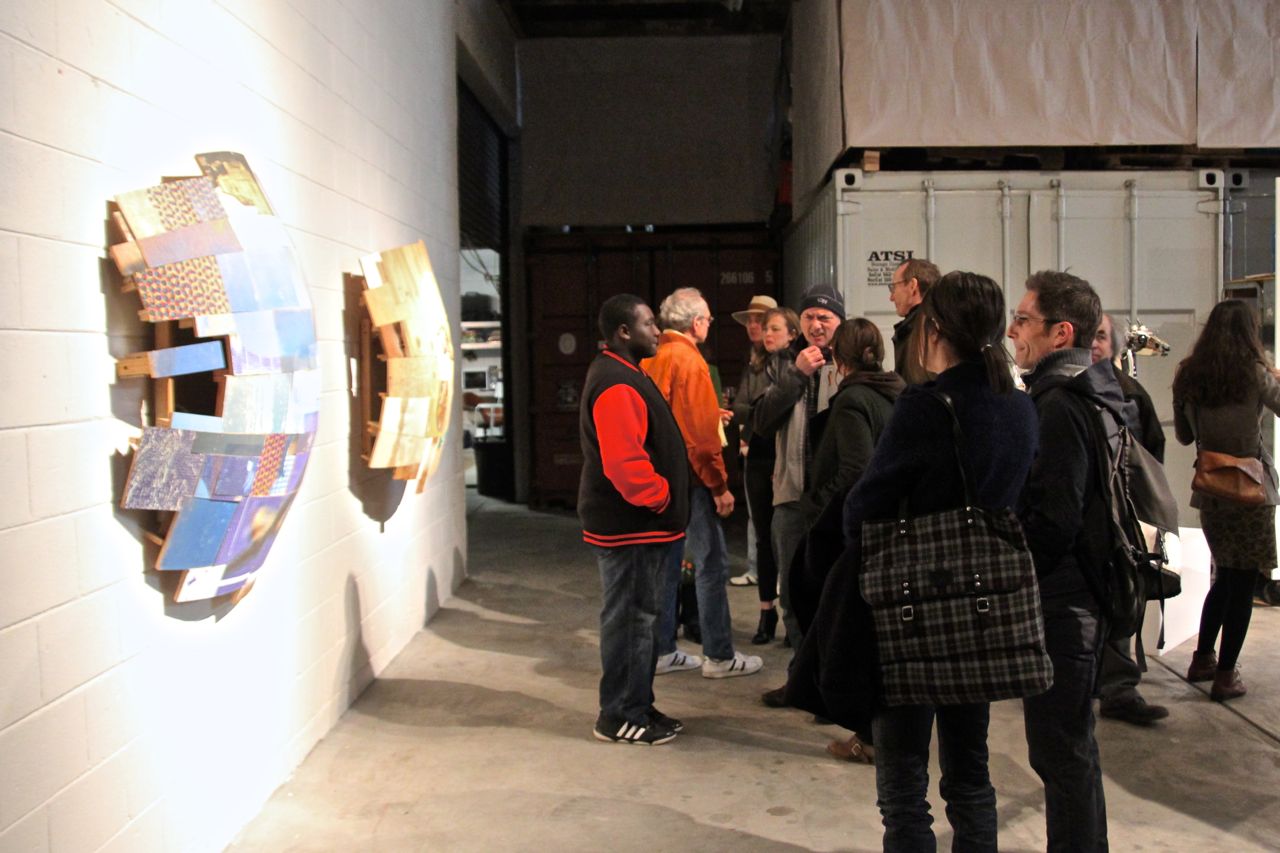
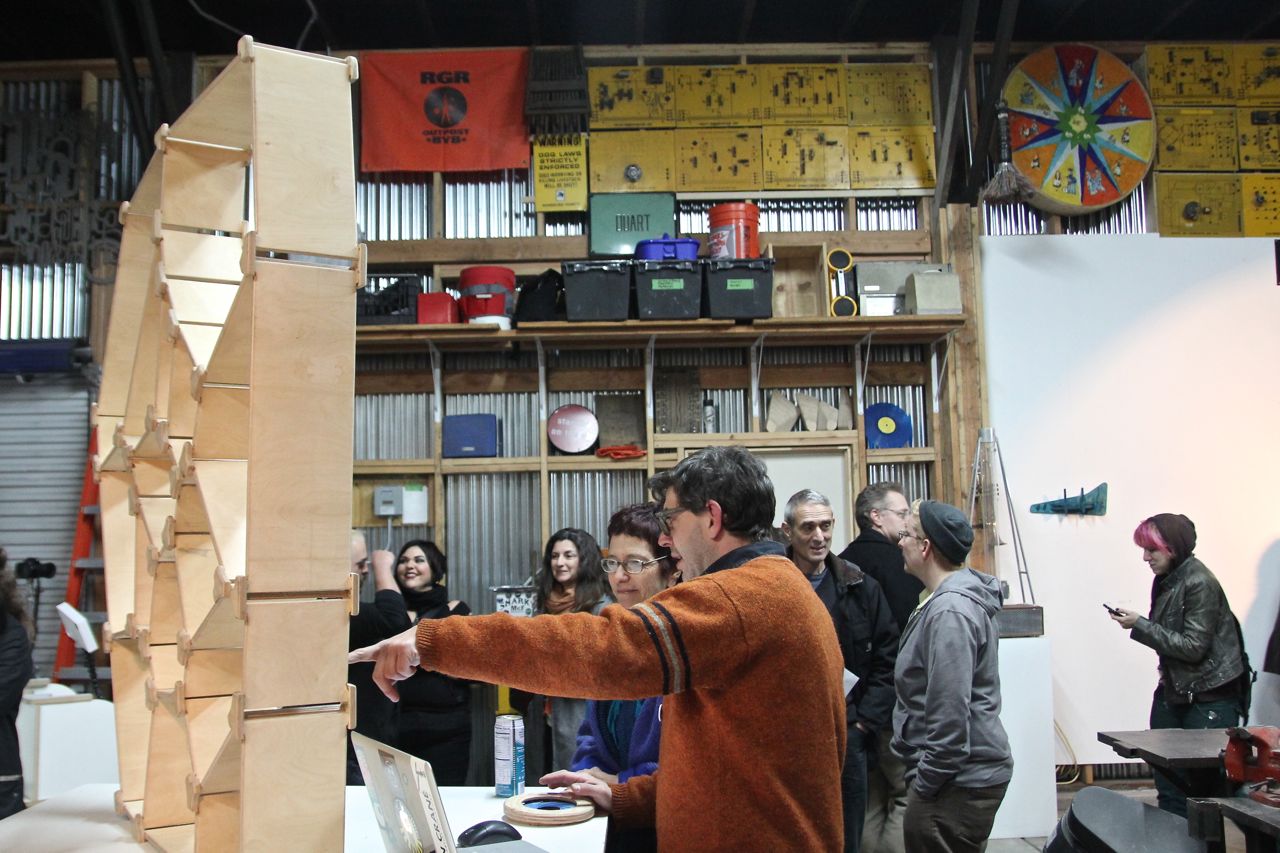
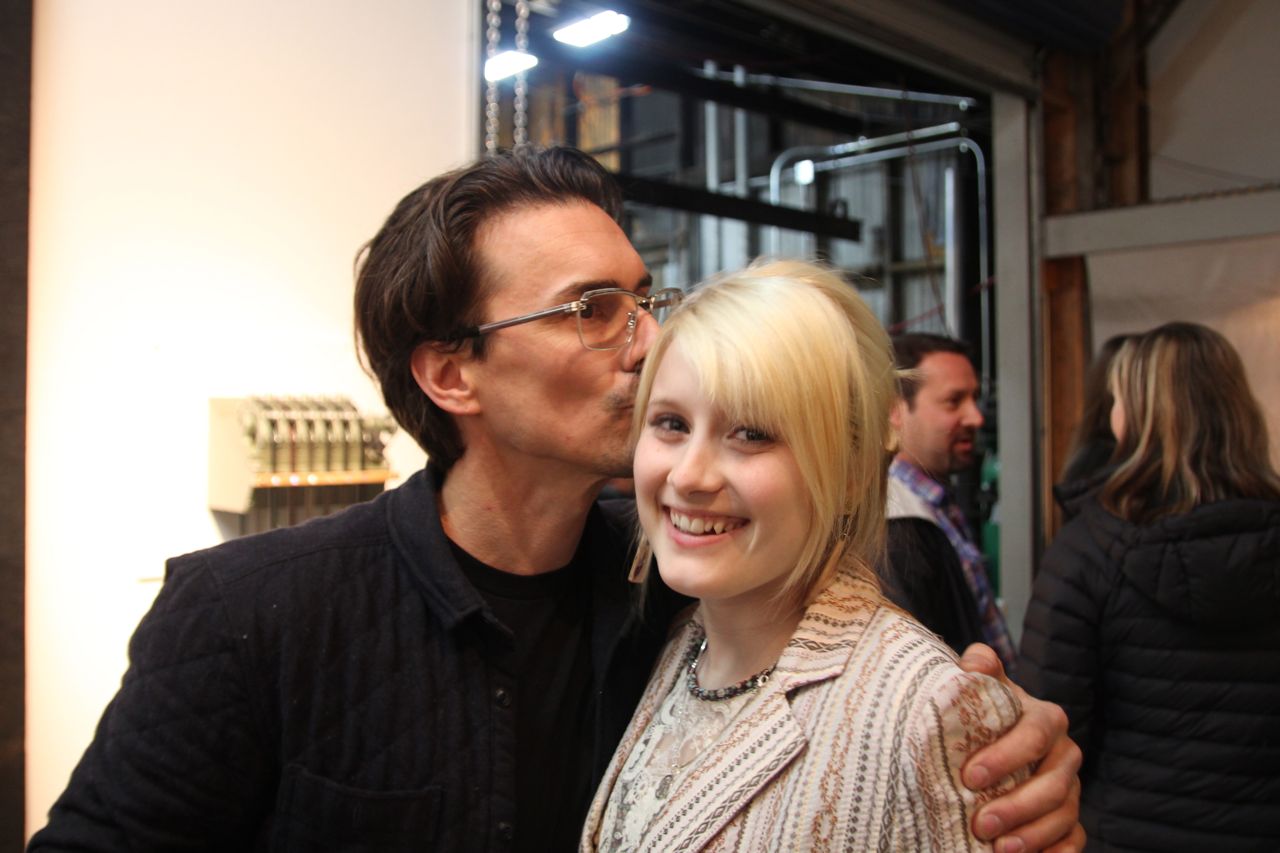
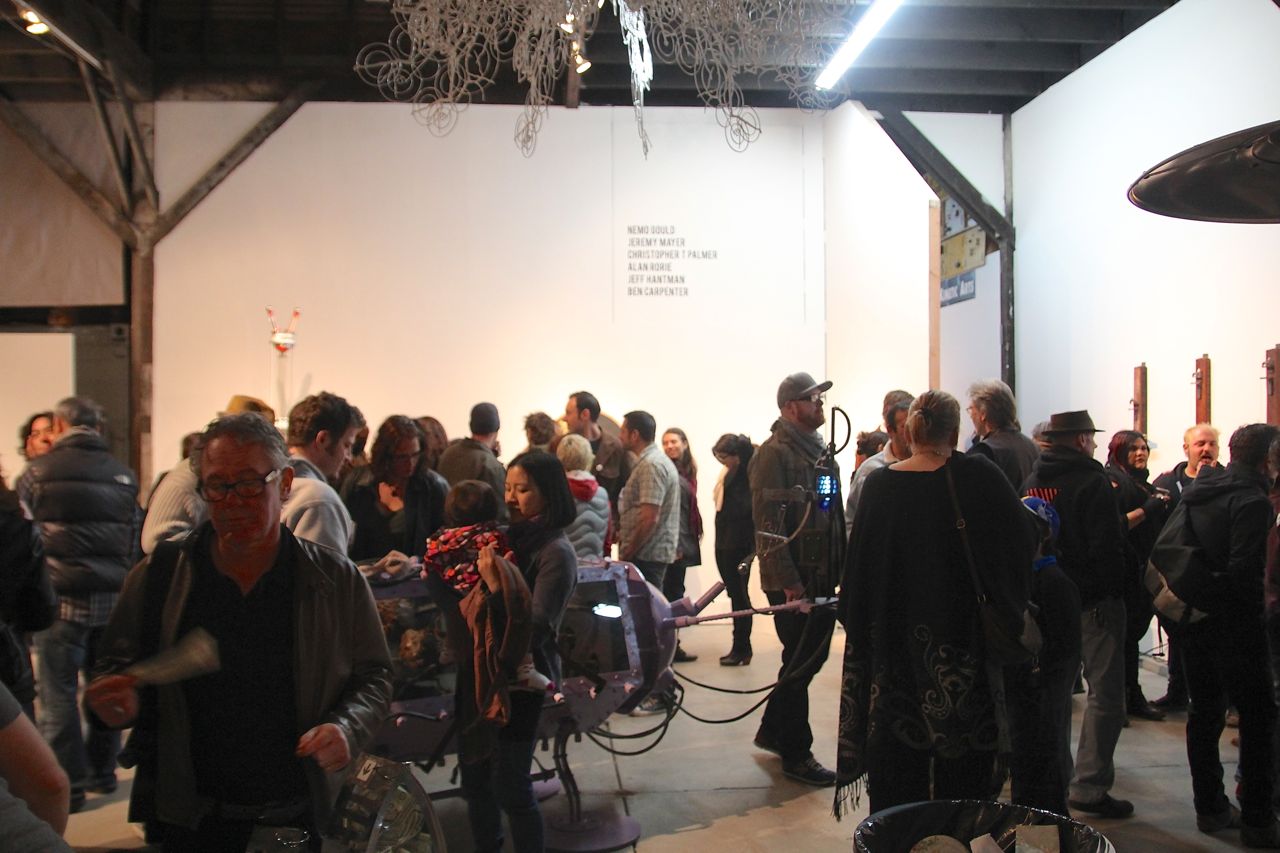
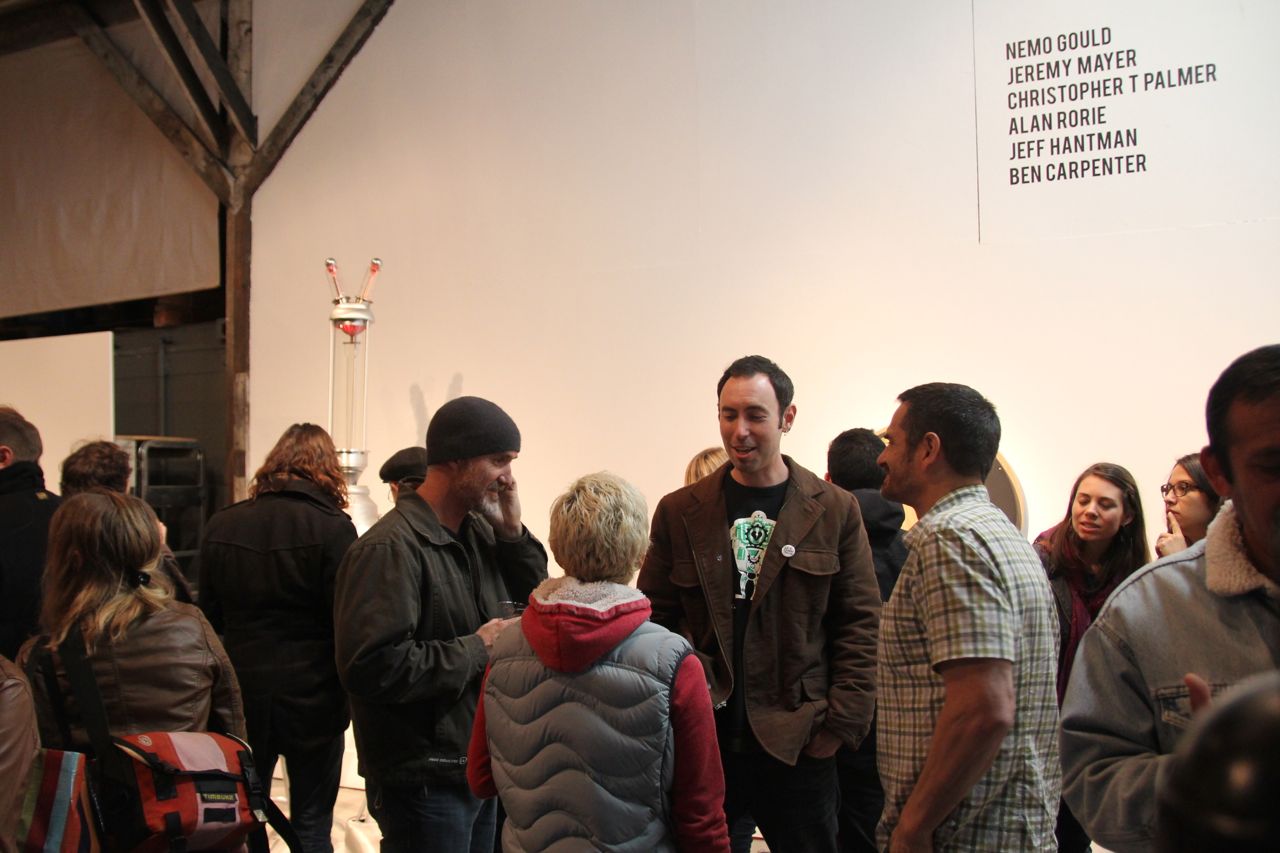
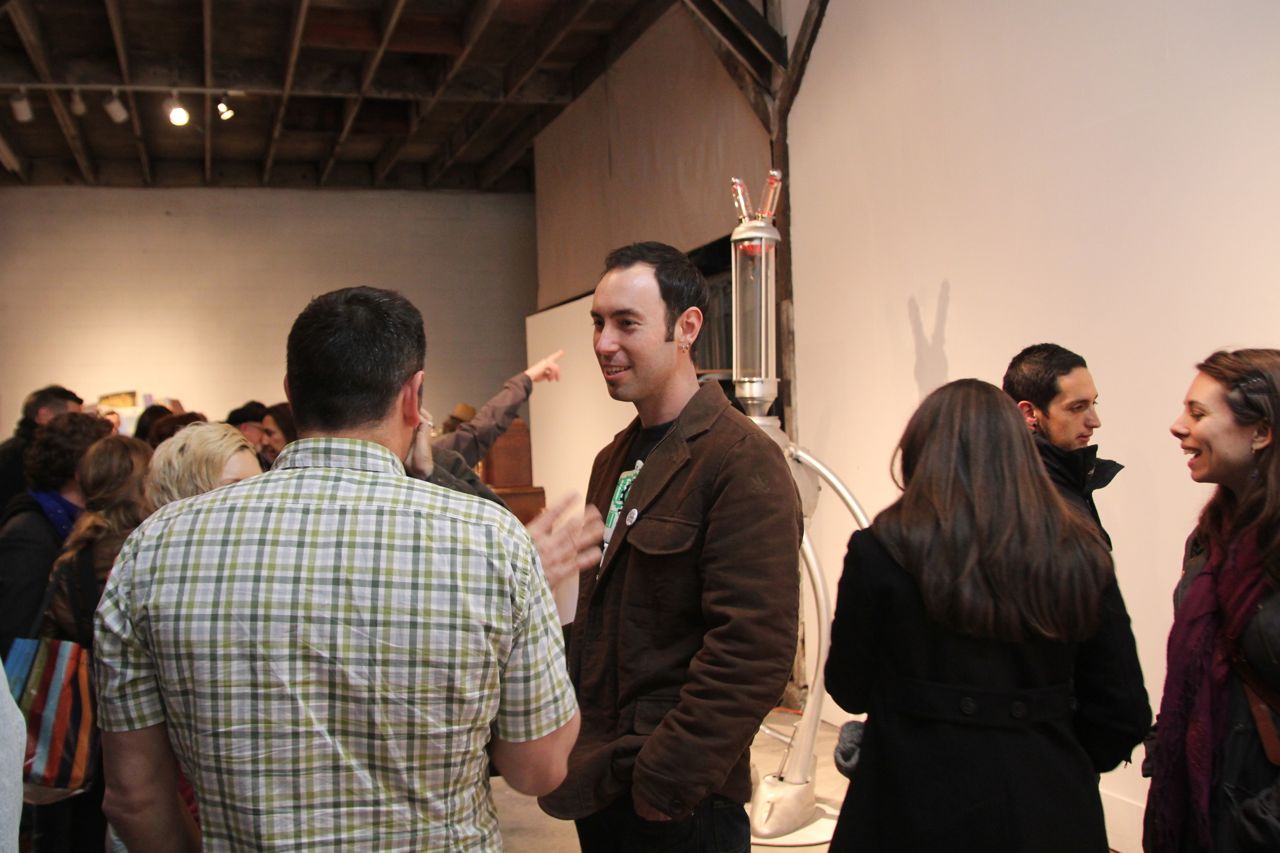
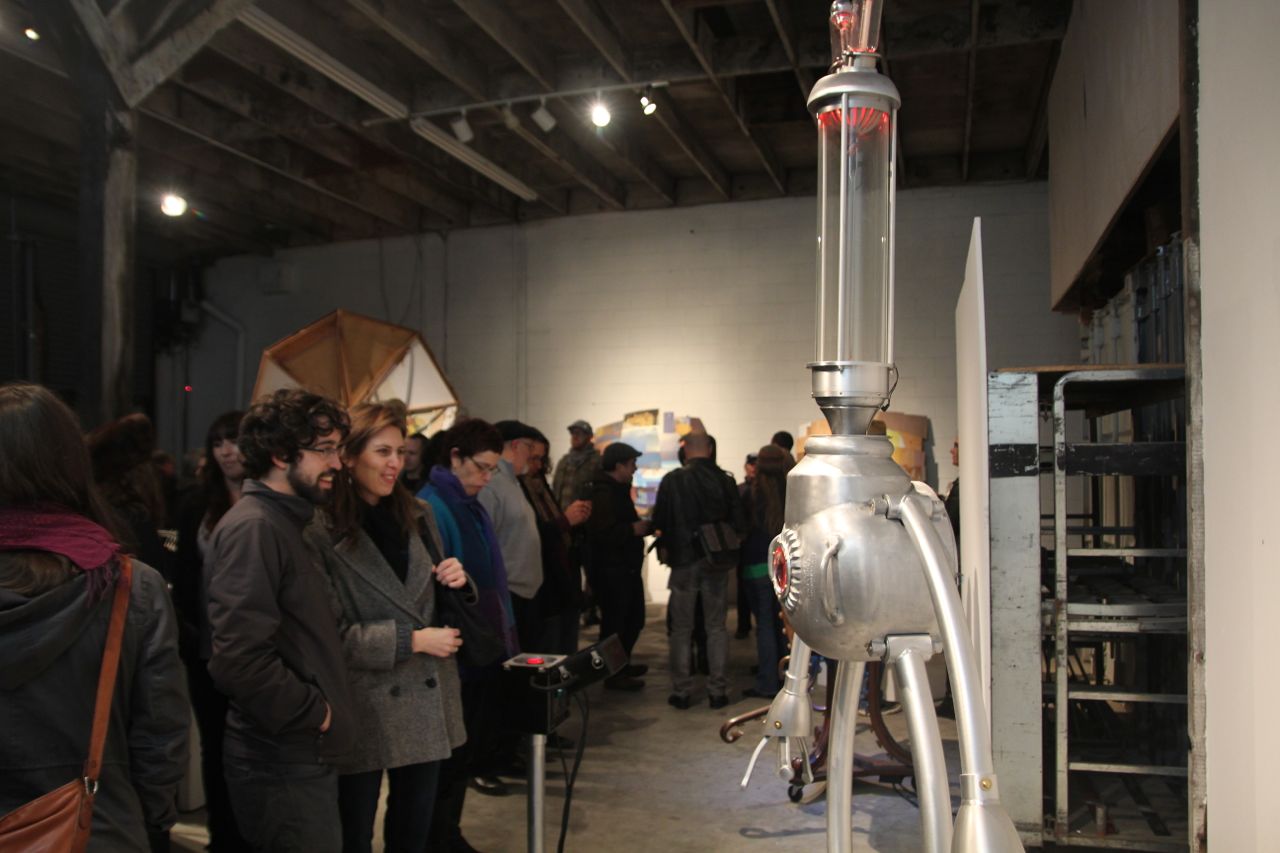
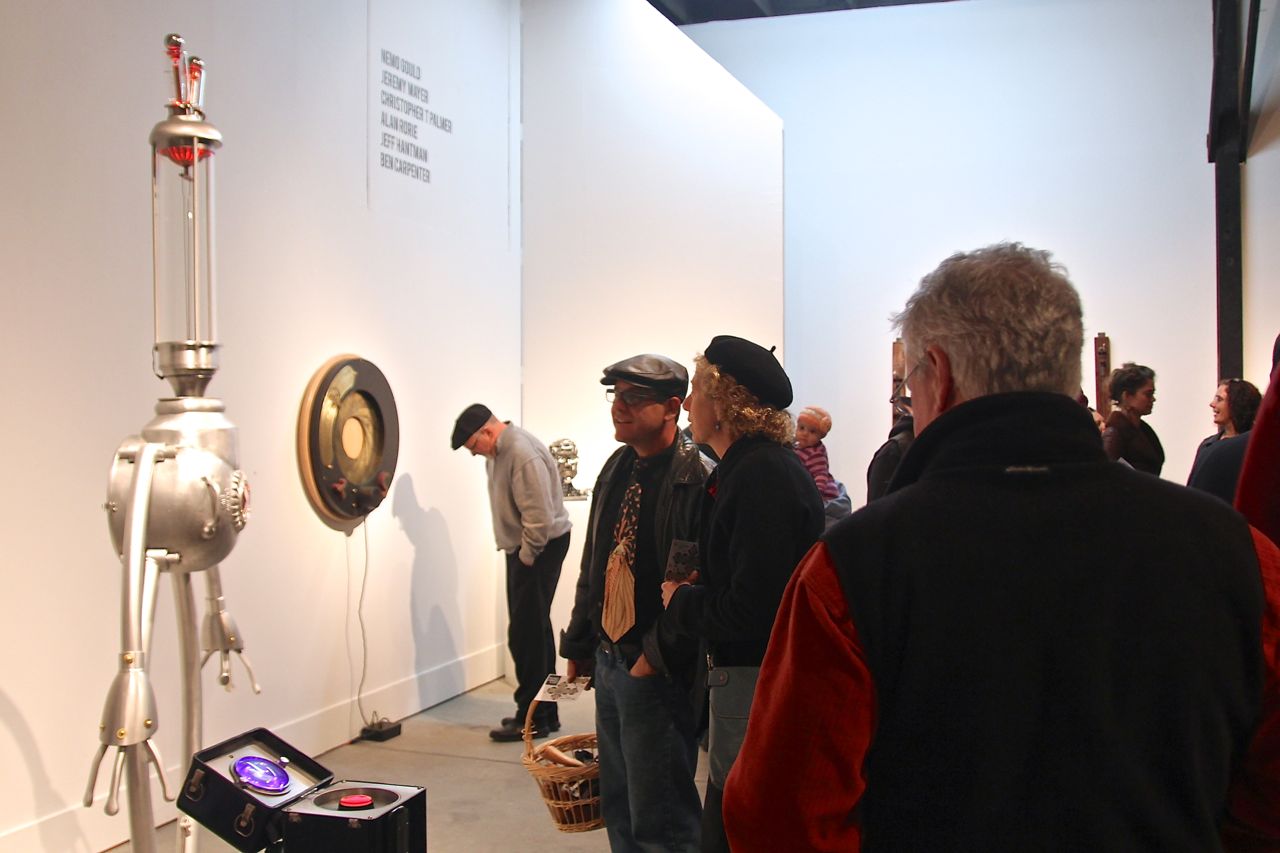
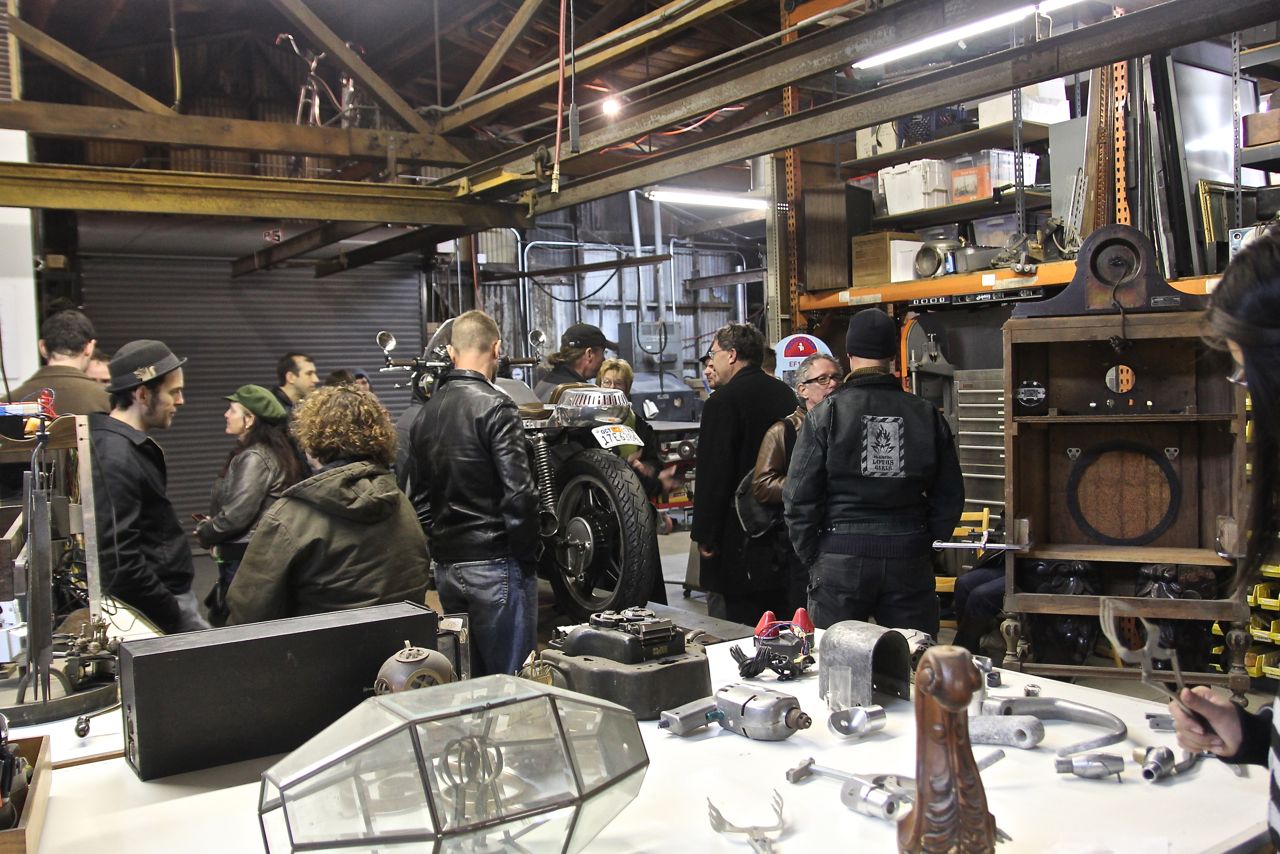
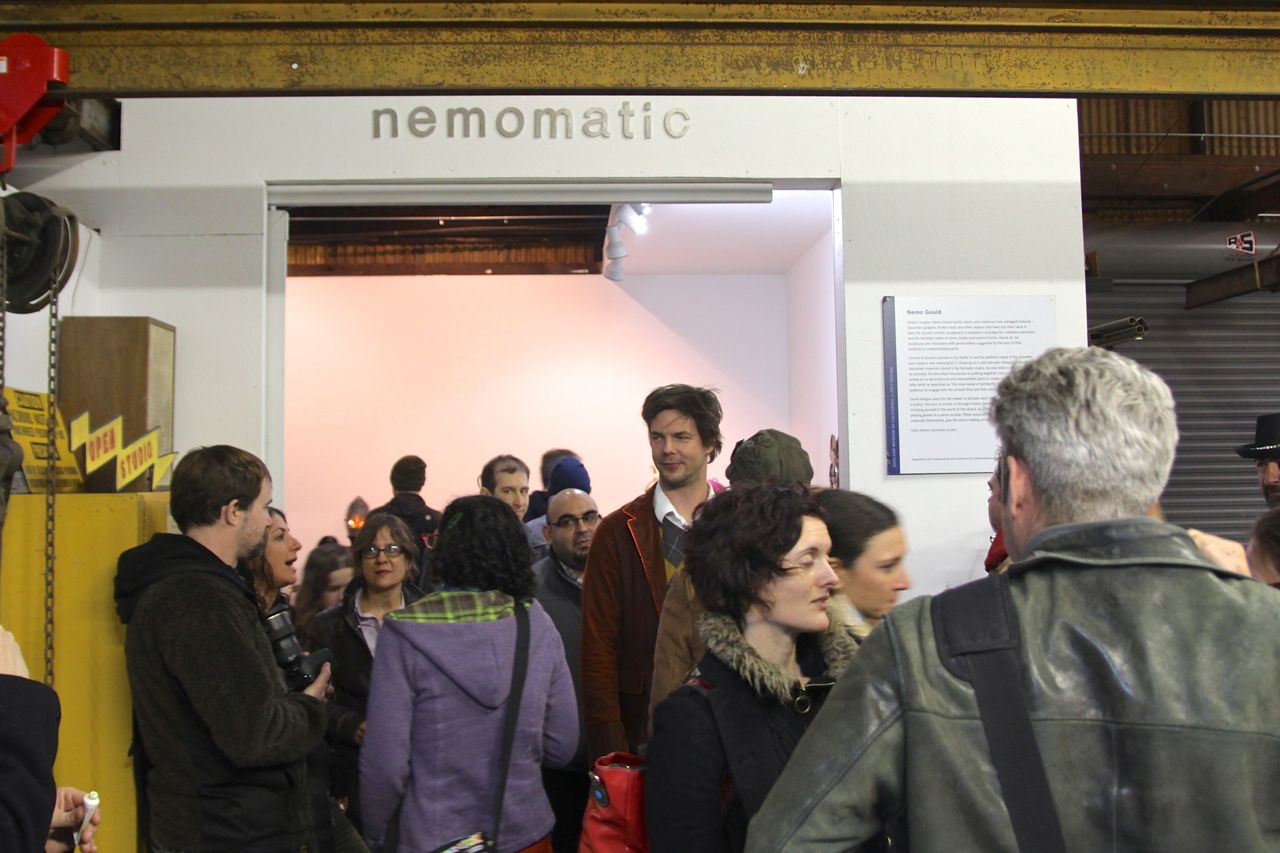
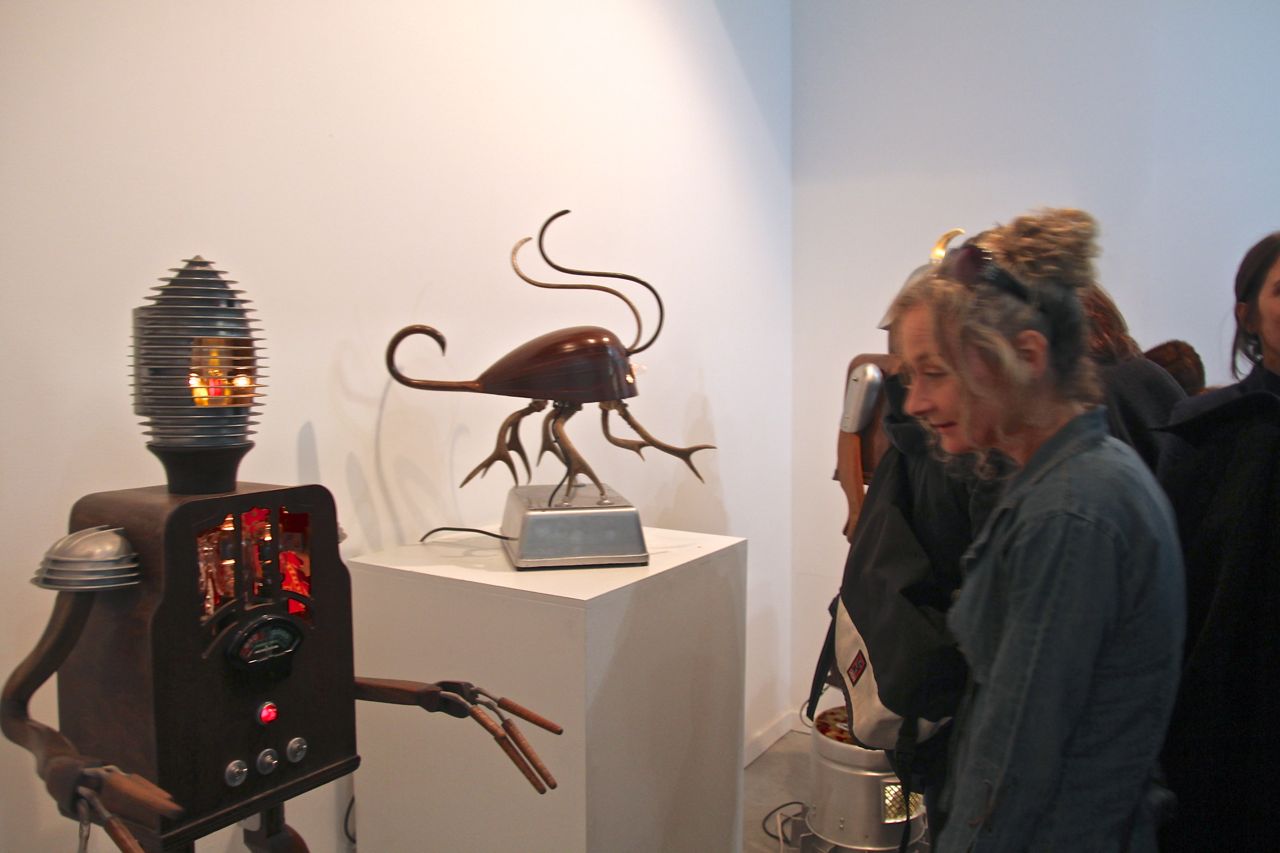
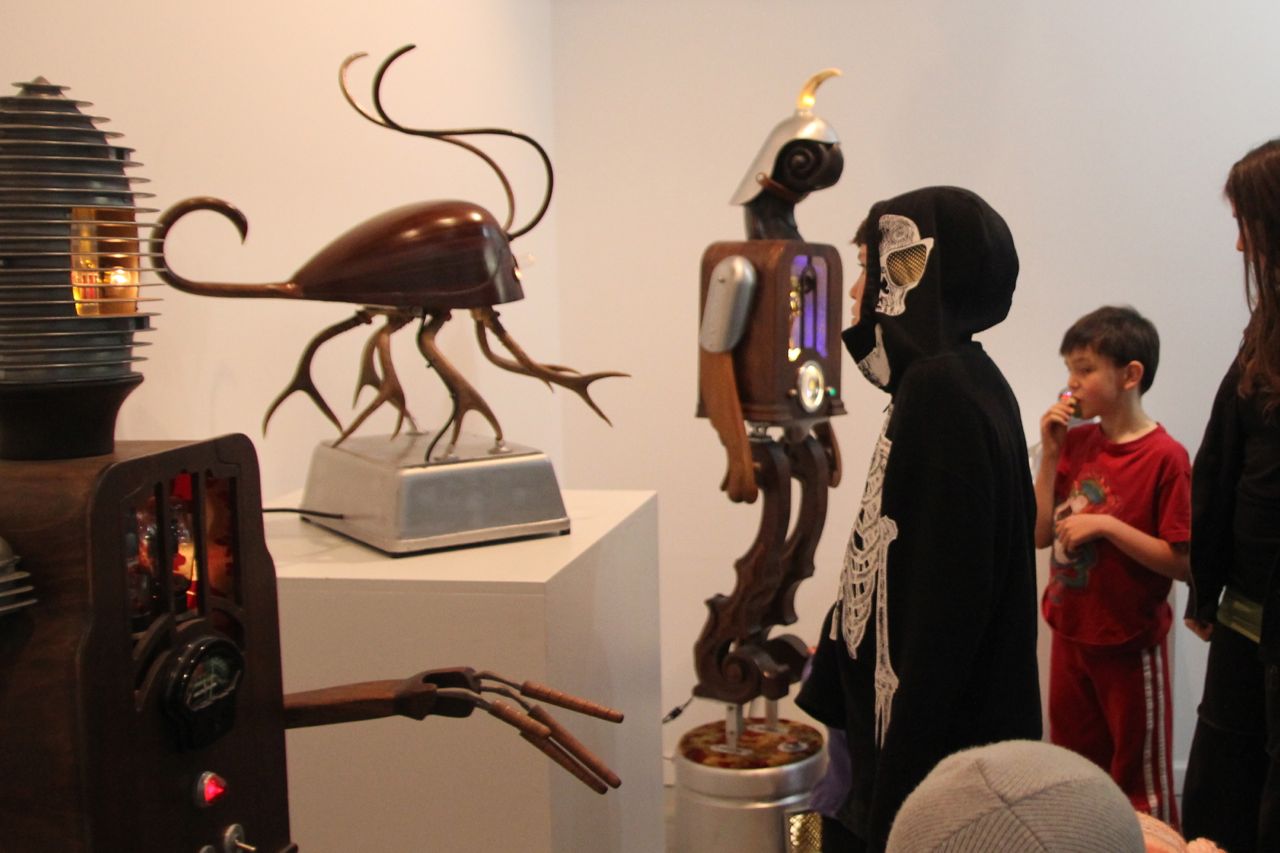
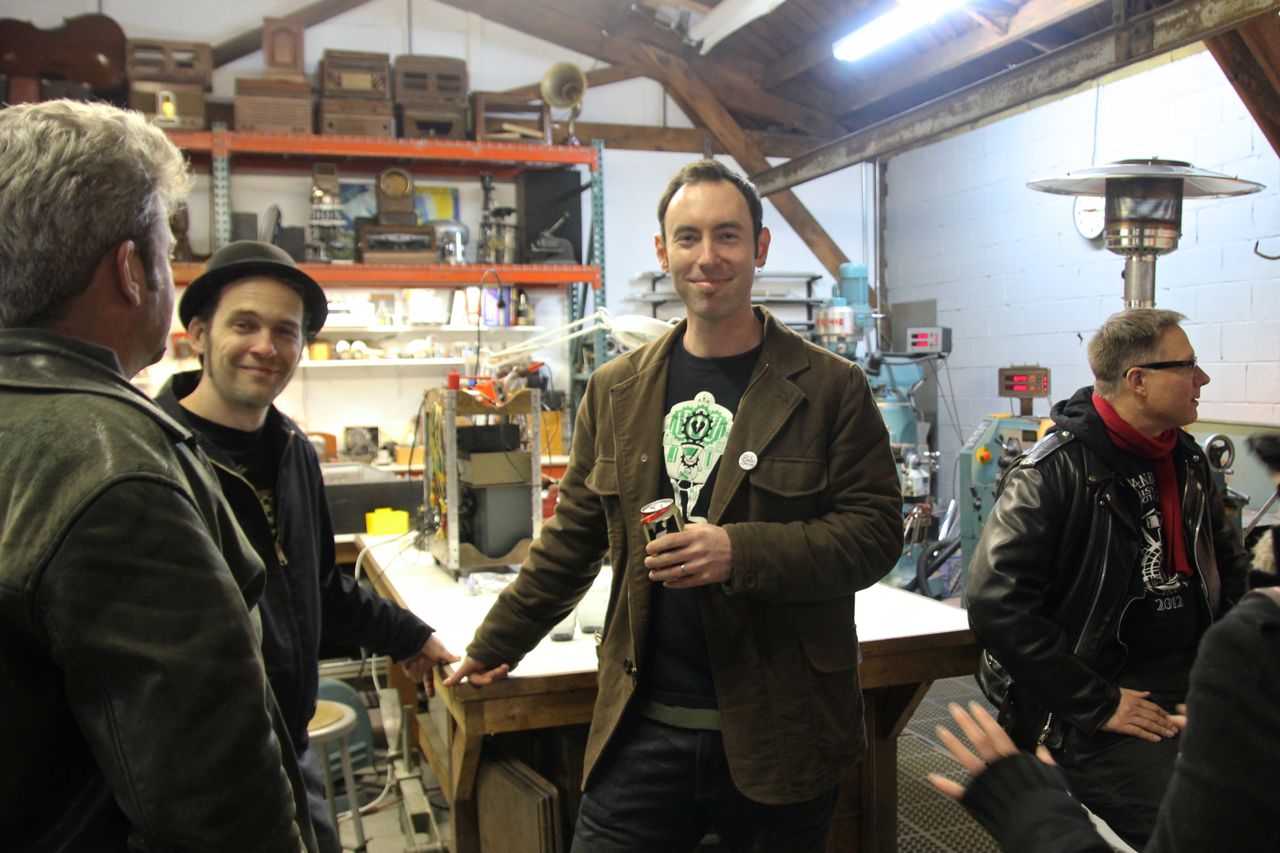
At the end of 2012 and beginning of 2013 a number of new artists moved into my studio compound which we have dubbed “Lost & Foundry Oakland” (the building was once a foundry).  So, in February of 2013 we had an open house where we introduced our new colleagues and unveiled our new exhibition space.  We still have ambitions to further develop the space to better present art, but this did not stop the event from being our best attended yet.  Featured in the exhibit were Jeremy Mayer, Christopher Palmer, Alan Rorie, Jeff Hantman, Benjamin Carpenter, and myself.

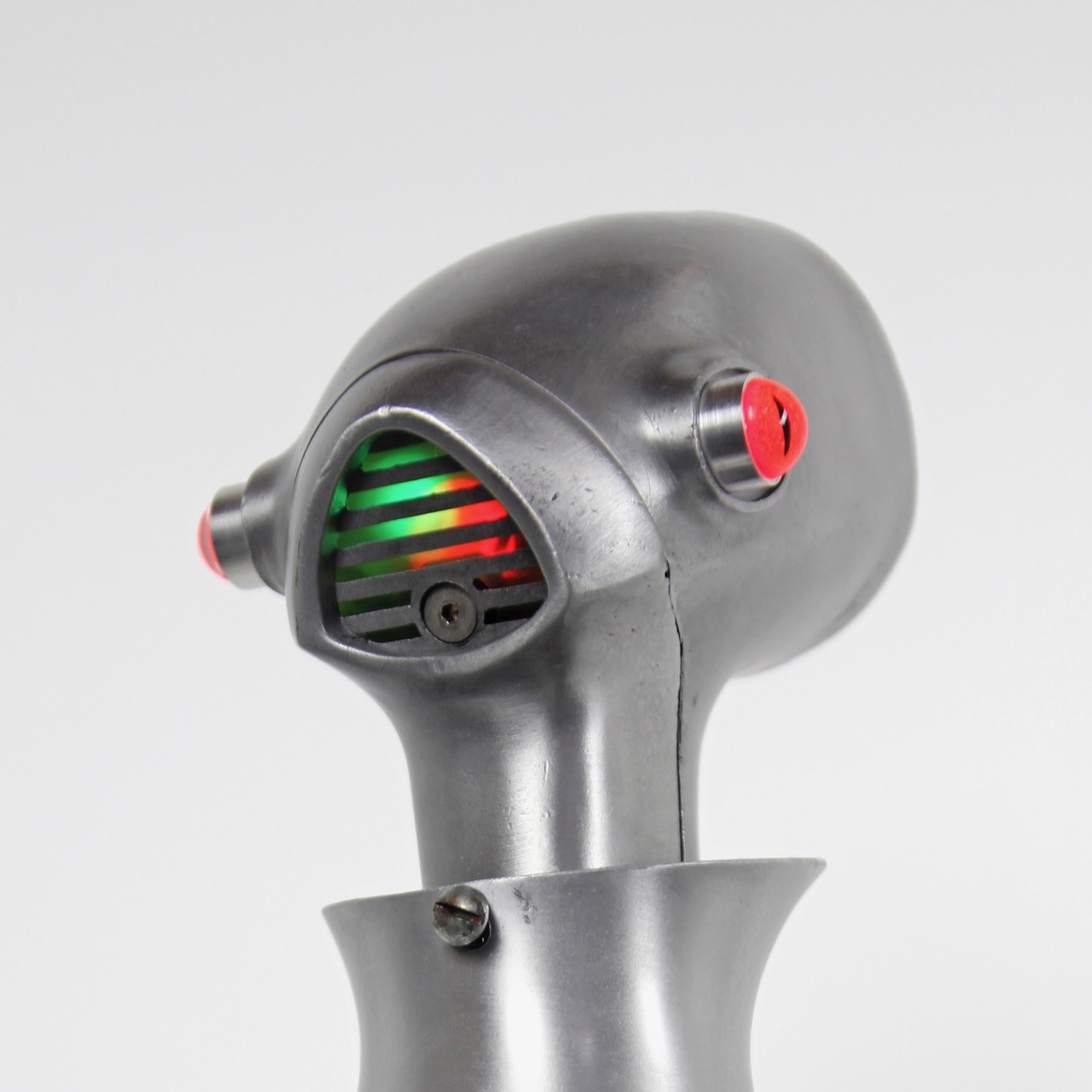
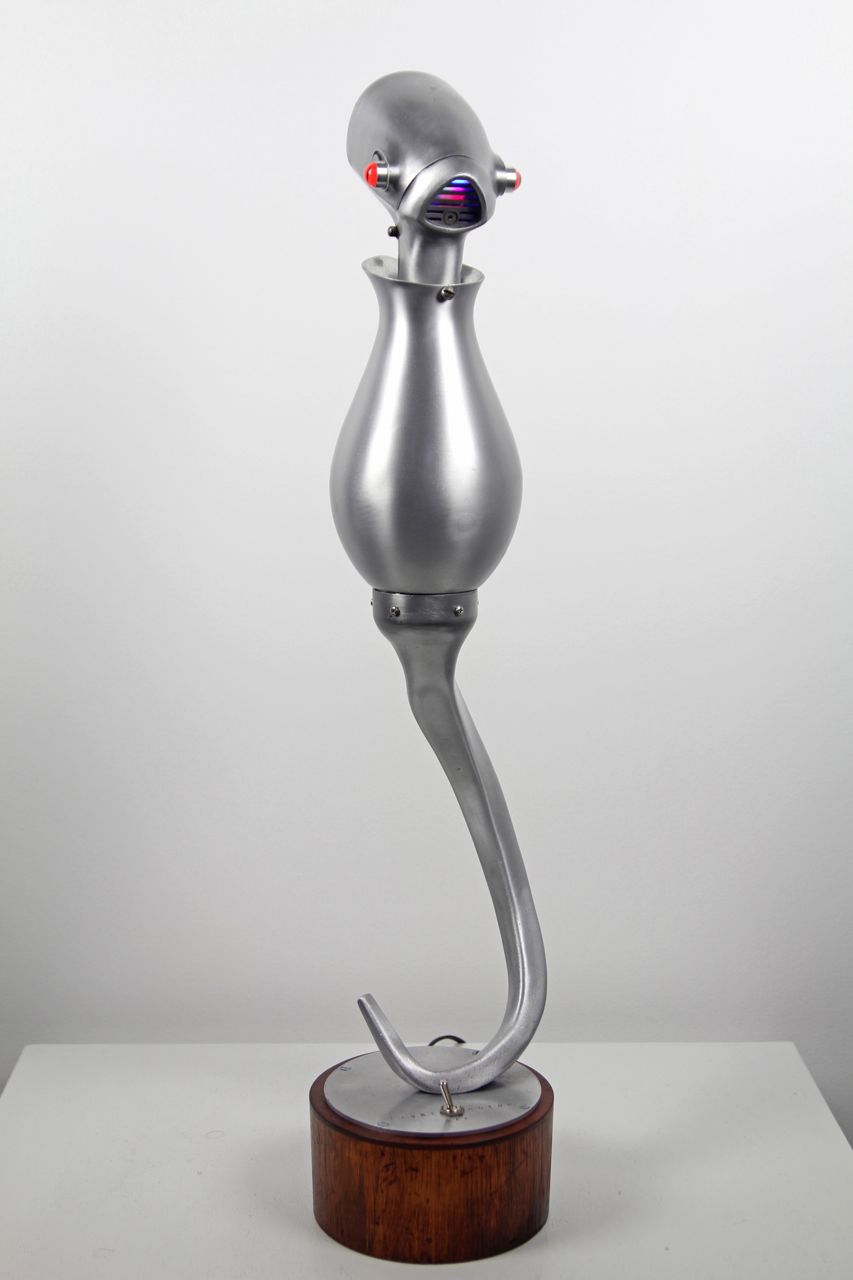
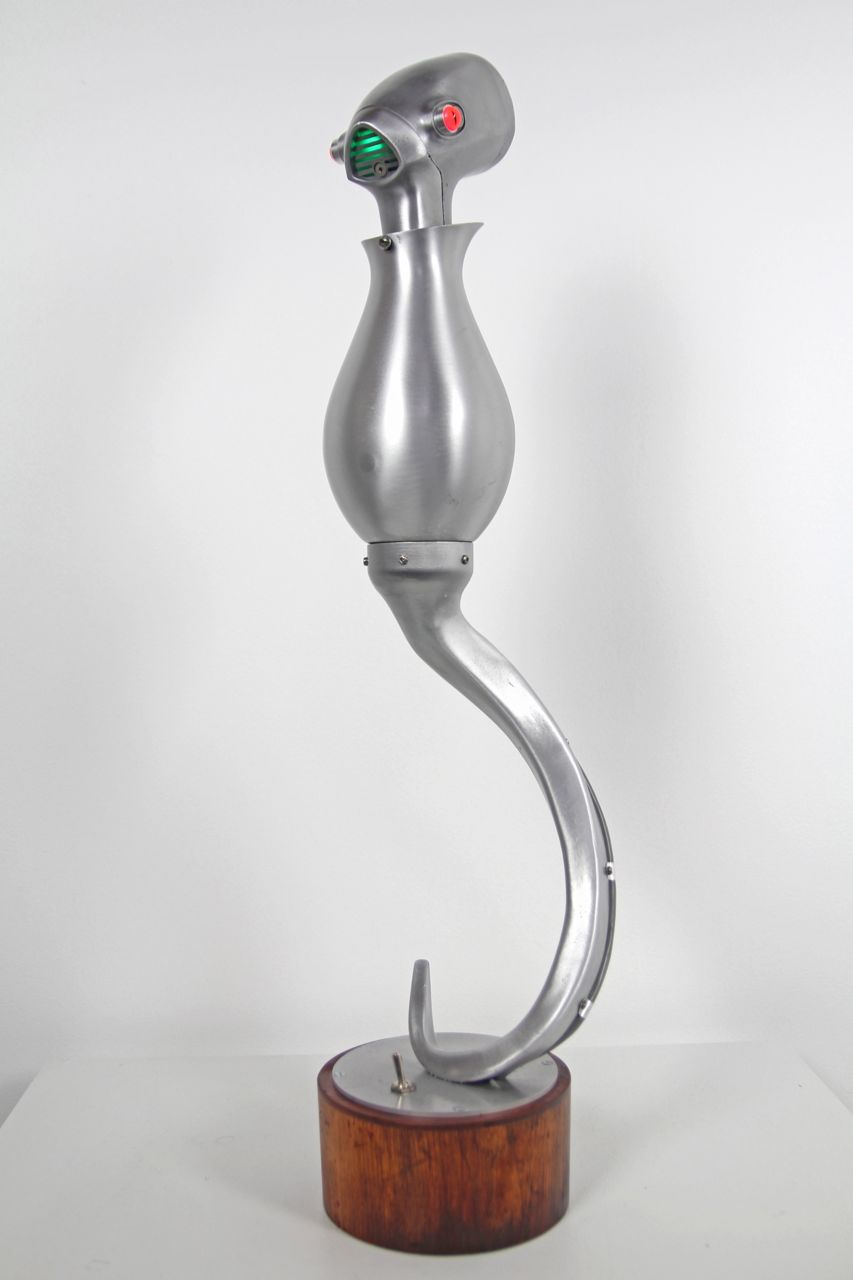
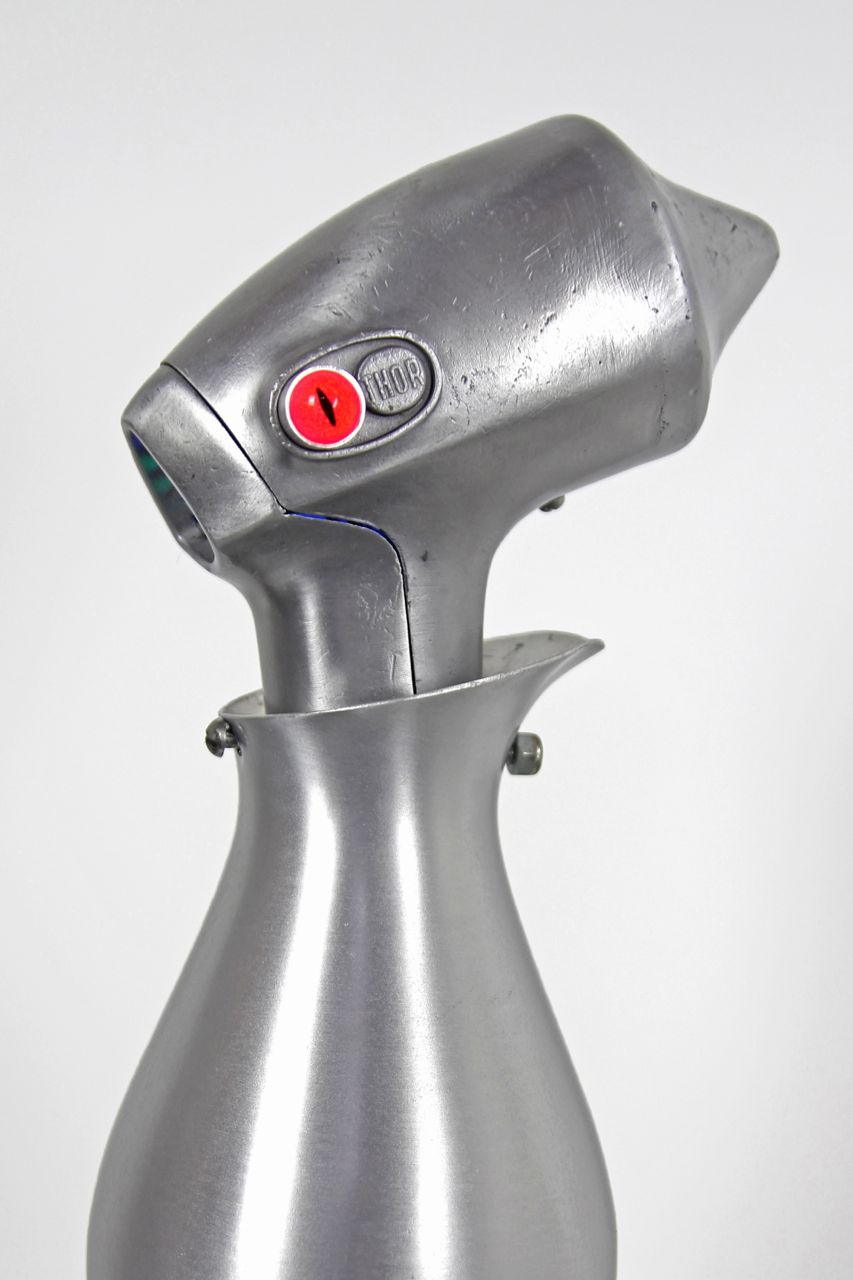
At first this creature reminded me of Admiral Ackbar from Star Wars. Later I started to see it as more of a sort of Genie or spirit.

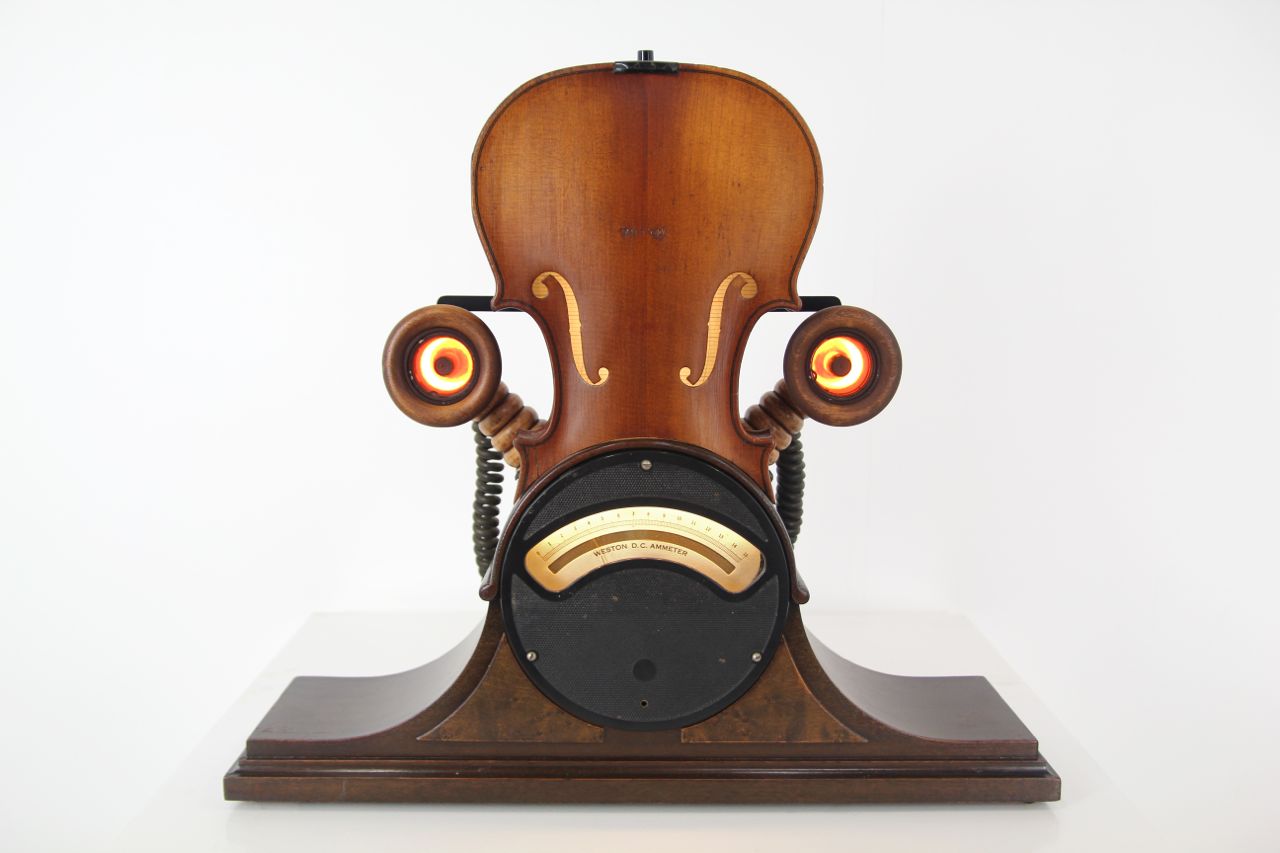
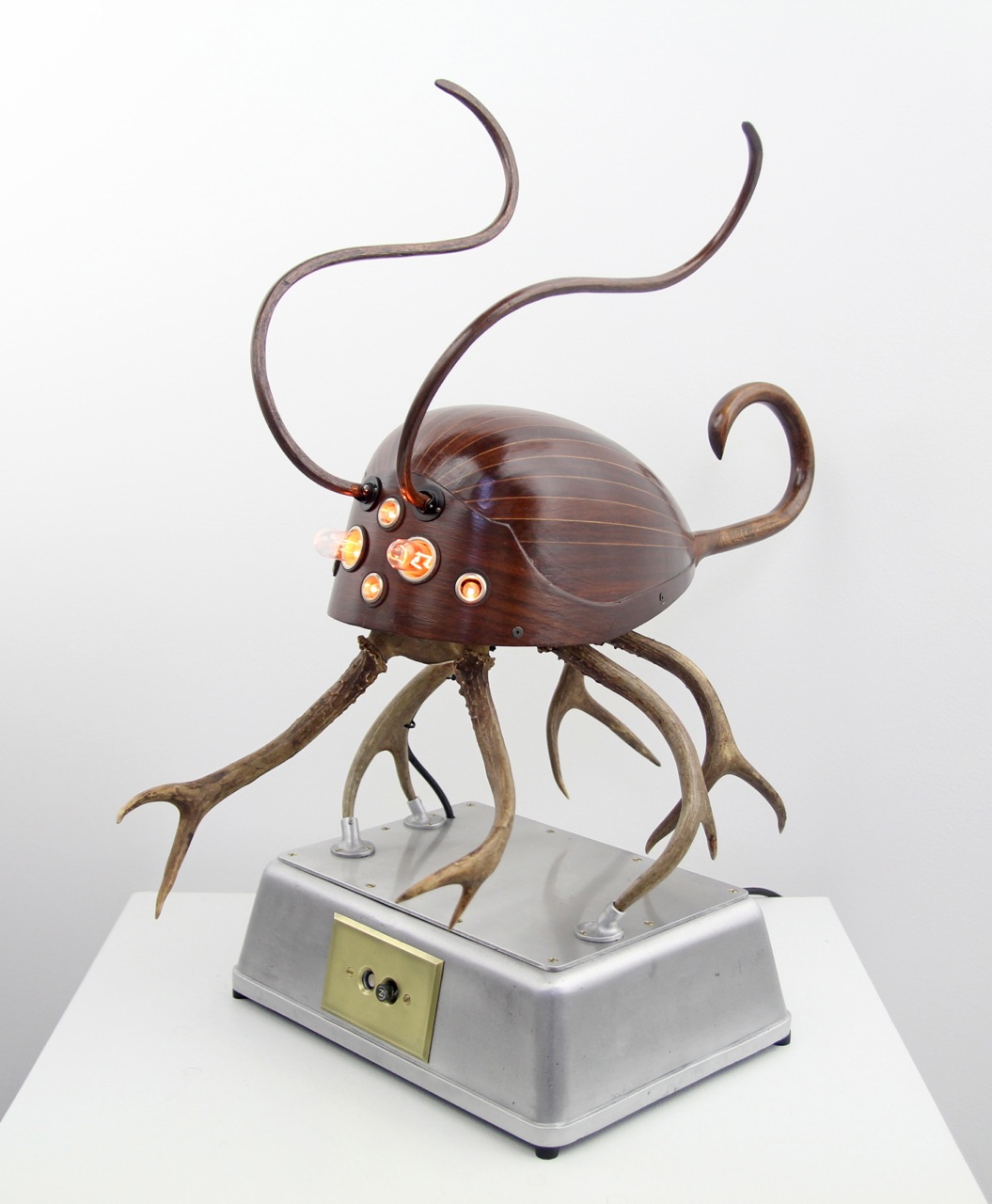
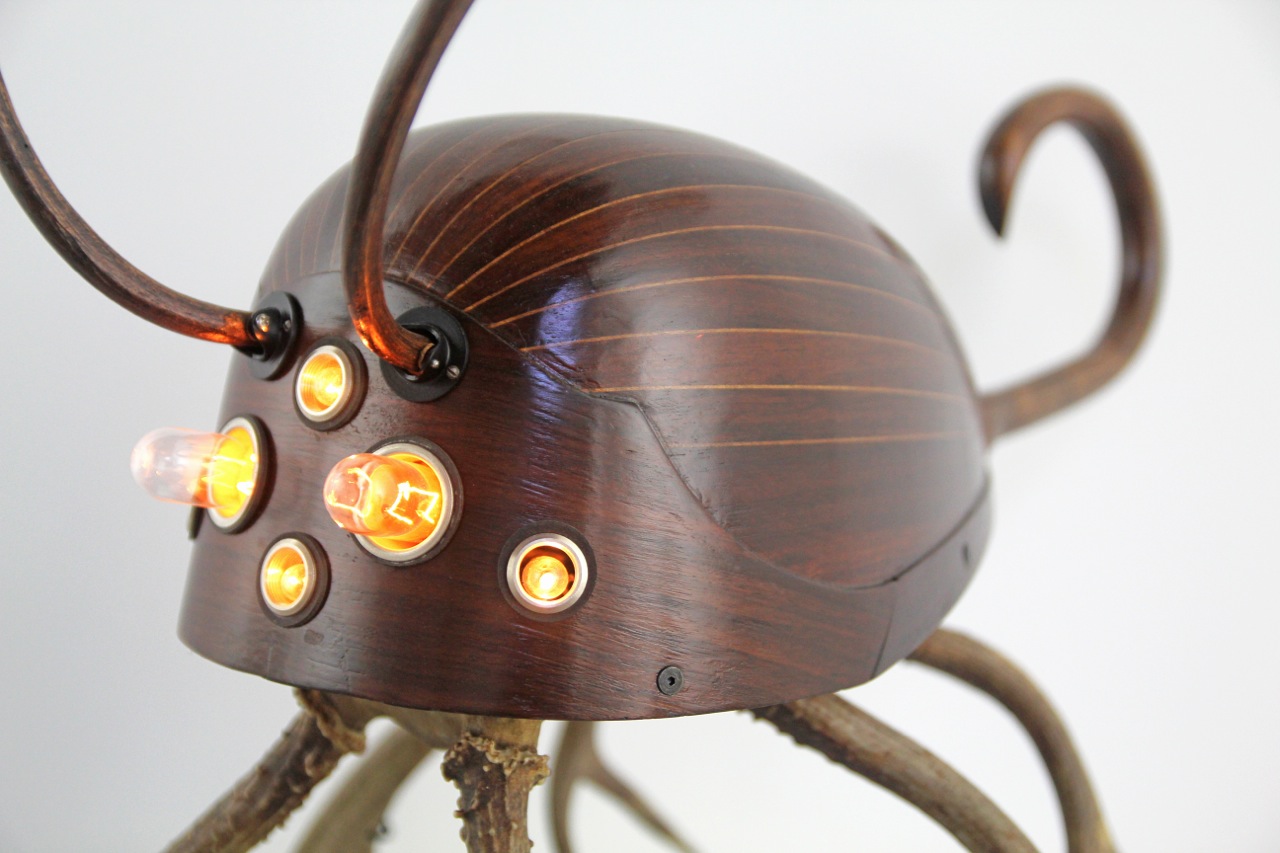
Mandolinsect’s title is derived from the reclaimed mandolin that forms its shell. I’m pleased with the way the creature evokes images of many different known life forms without quite fitting any particular description. It seems it could just as likely live on land as deep under the sea, or another planet for that matter.

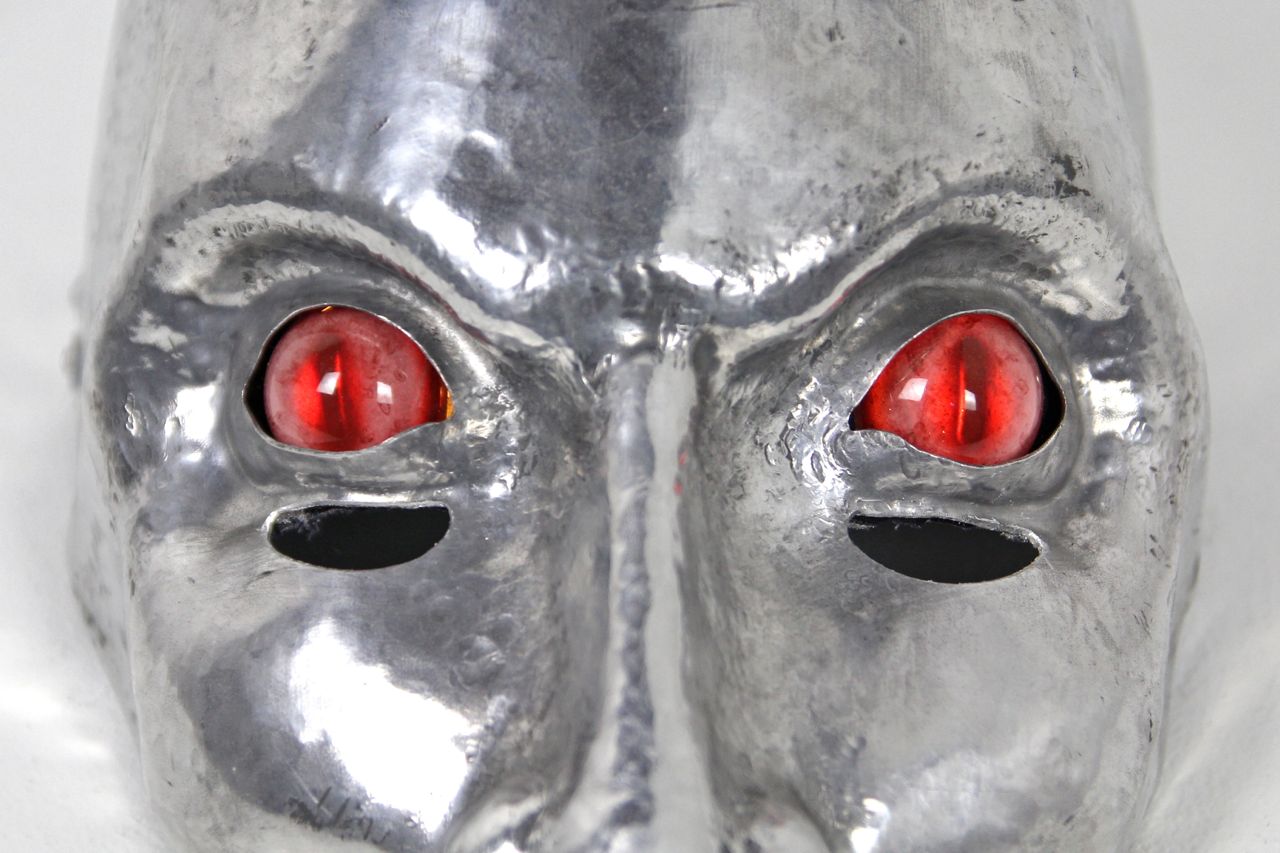
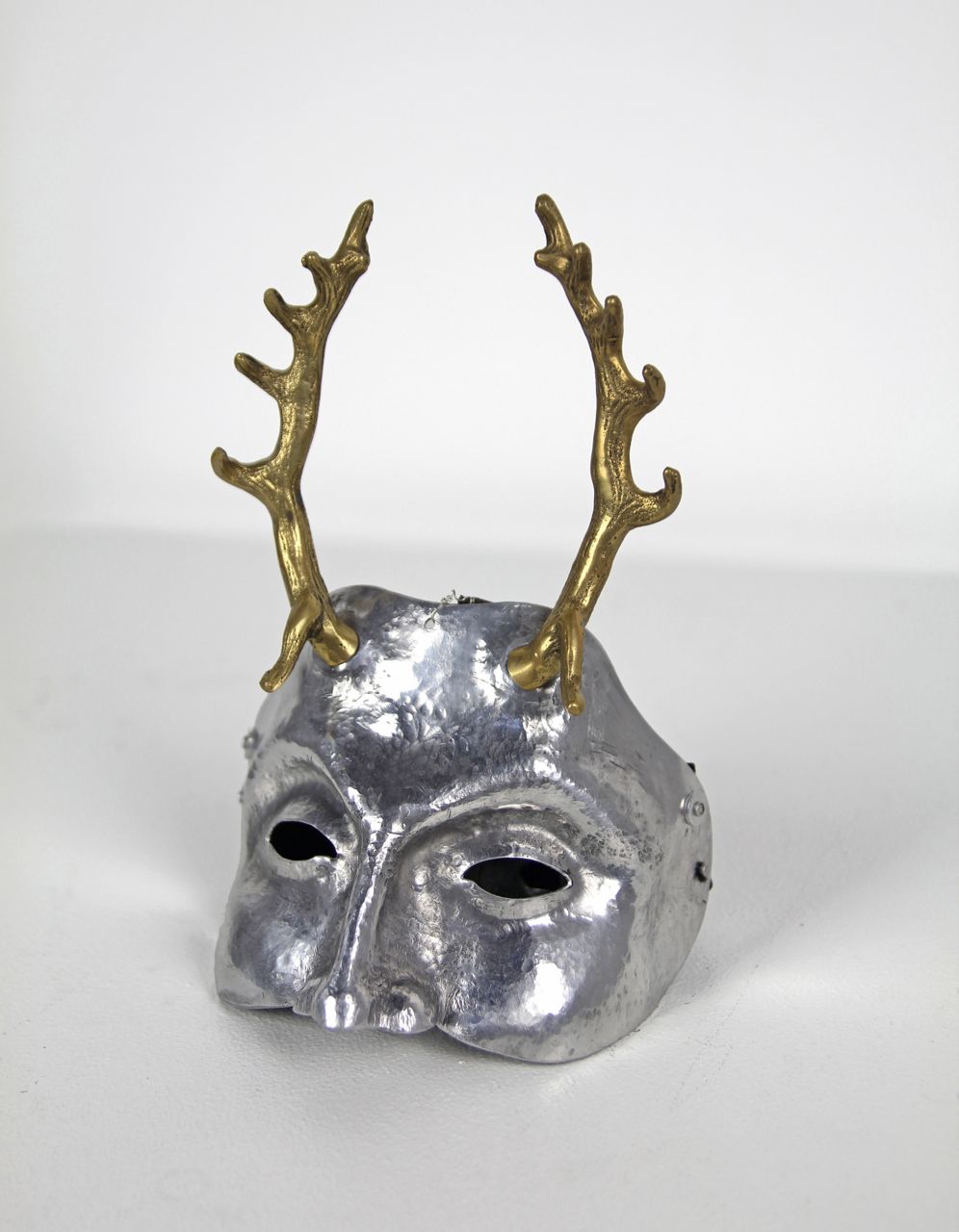
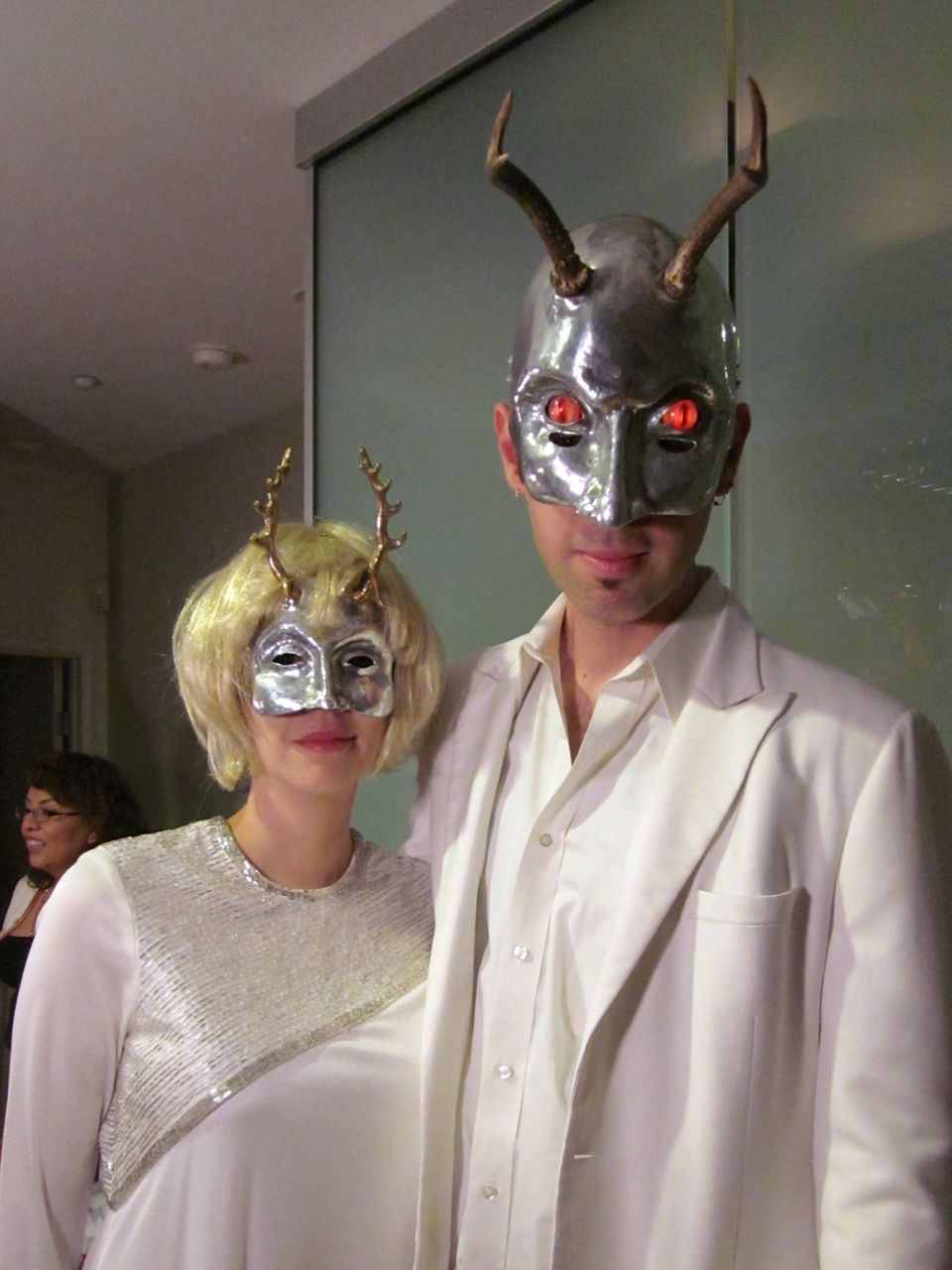
A recent motorcycle project led me to experiment with hand forming aluminum sheet. Once the project was finished I was eager to try the technique on something less structured. Halloween was only weeks away at the time so I set out to make masks for my wife and myself. We decided that the resulting characters were “Devils Advocates”, though we never really decided what that meant exactly.

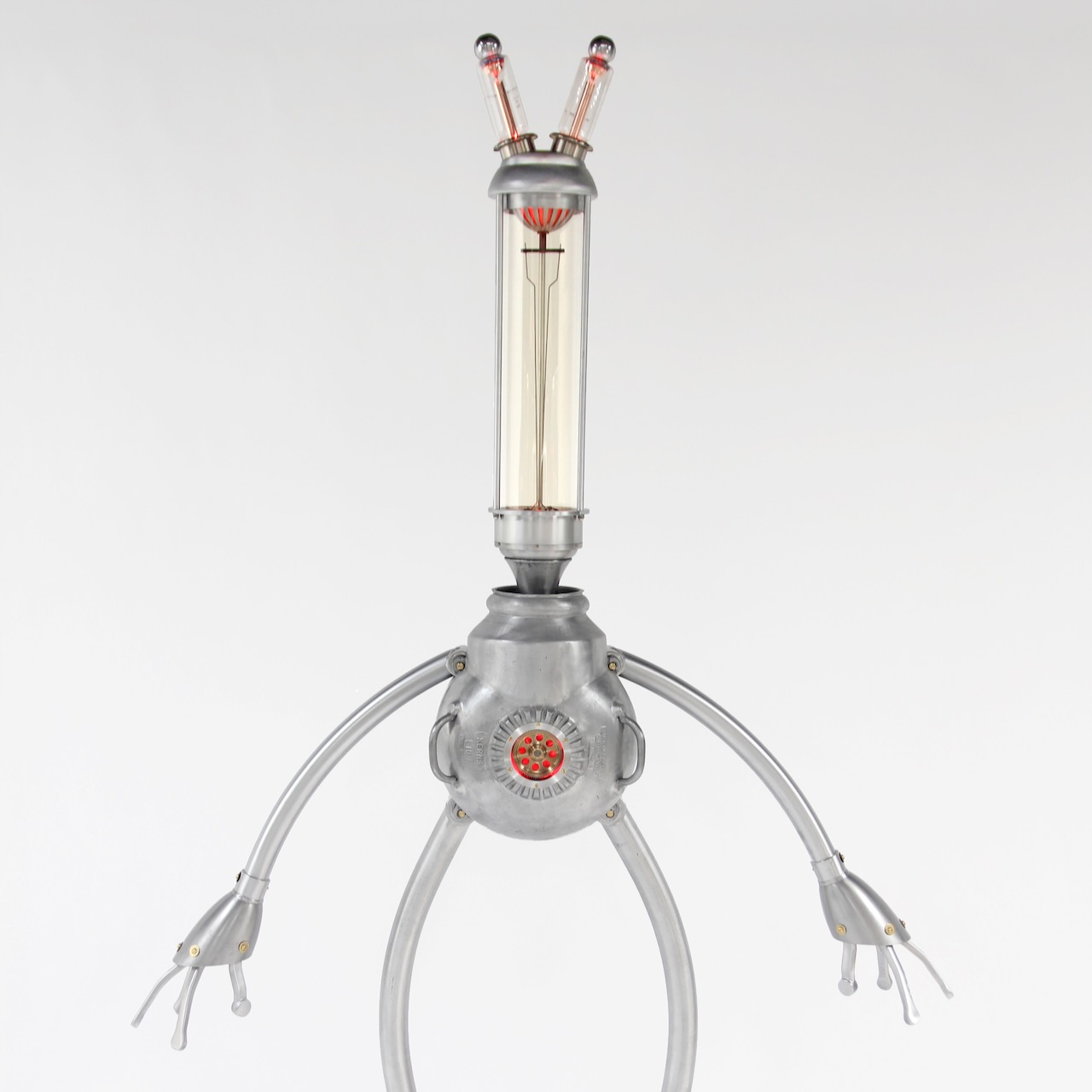
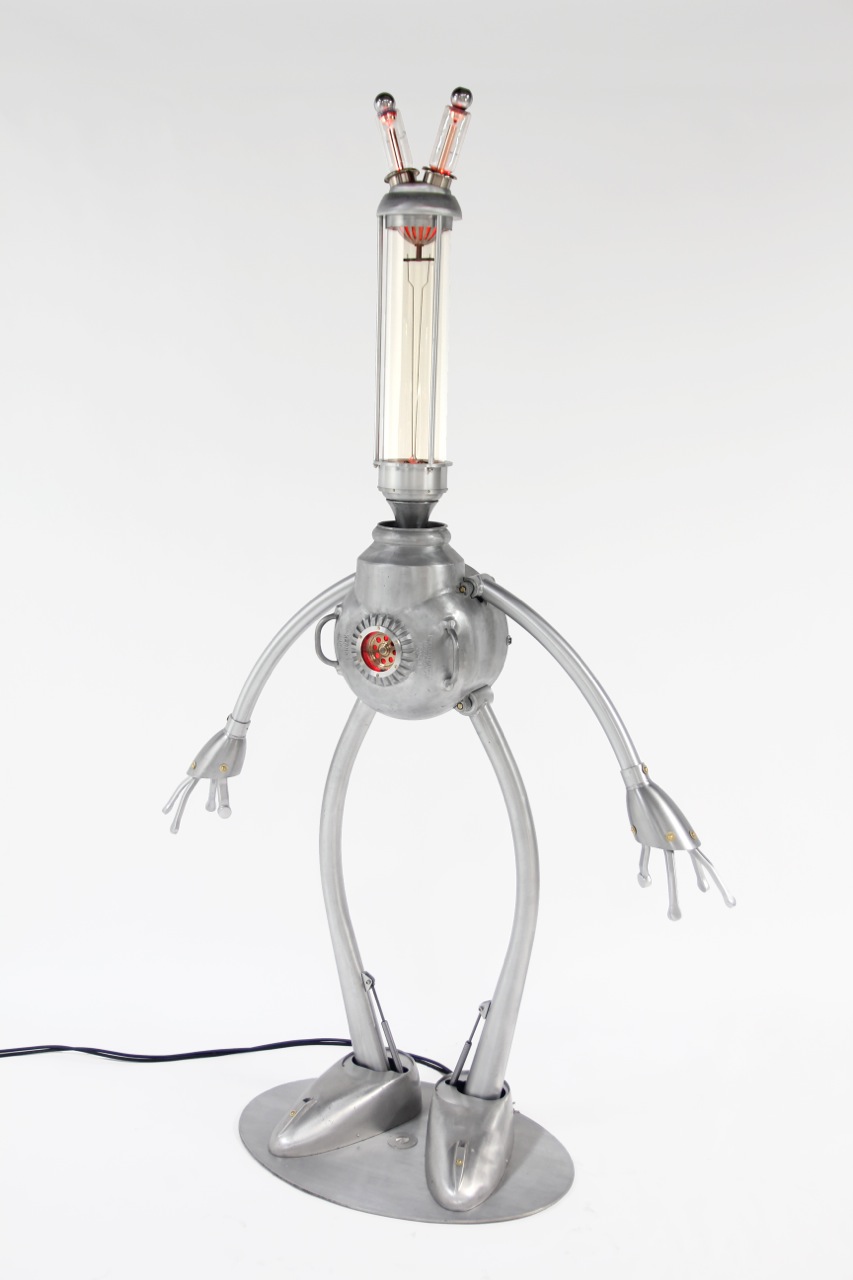
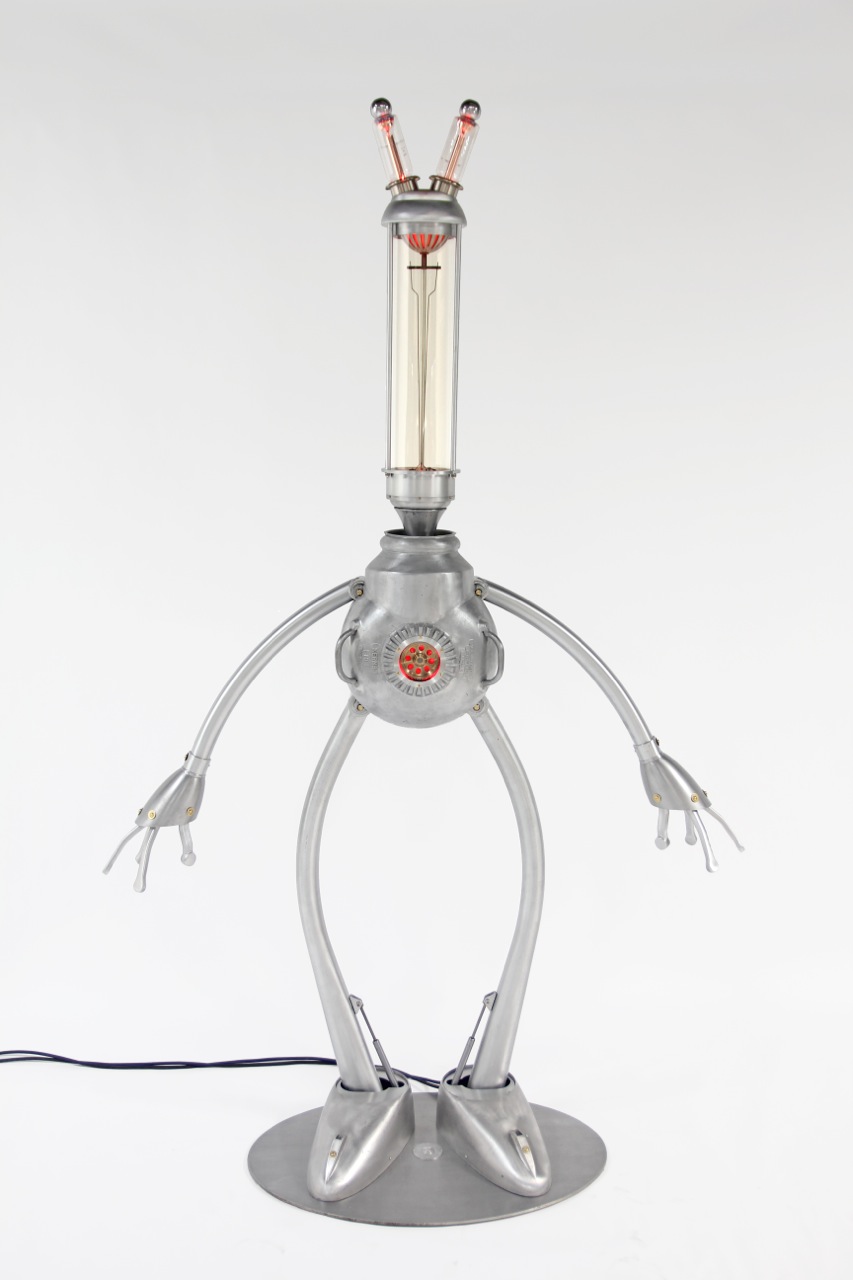
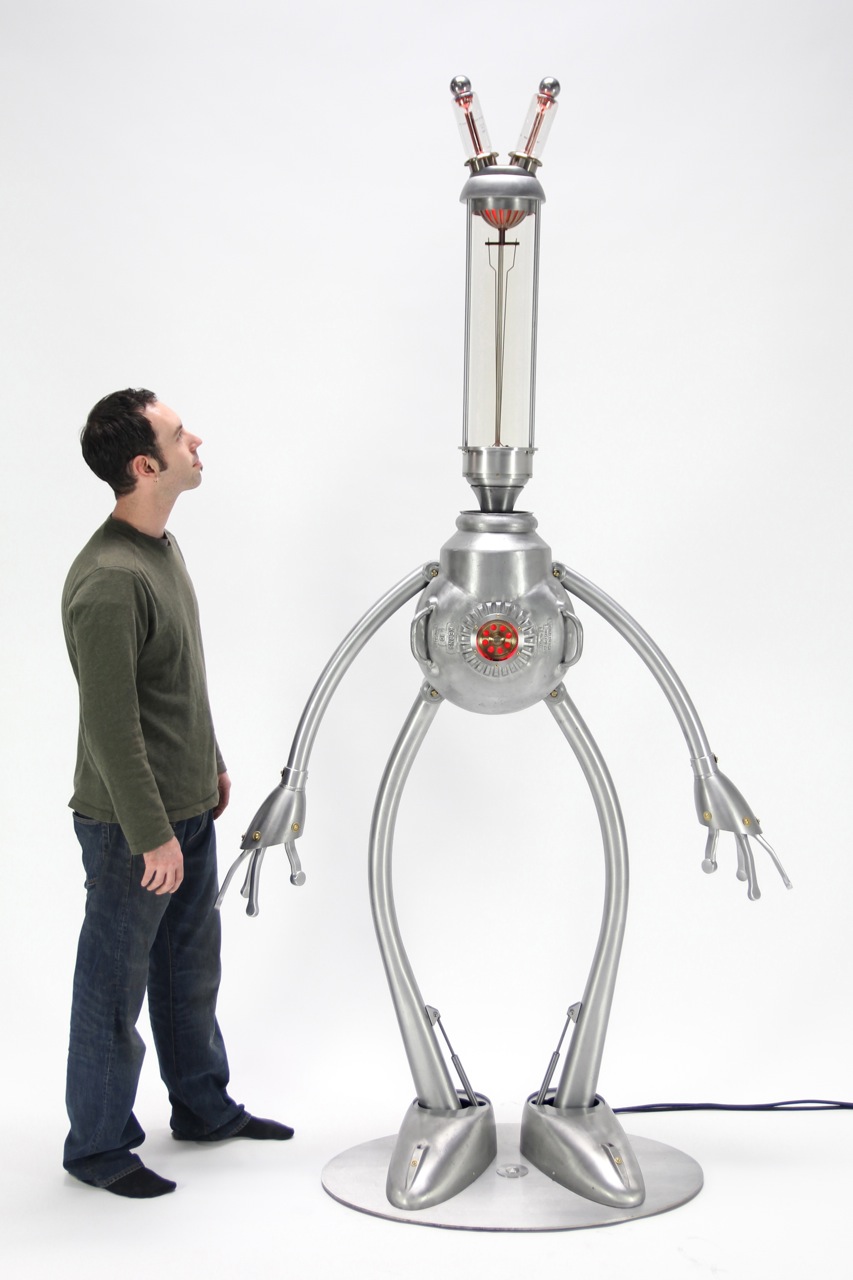
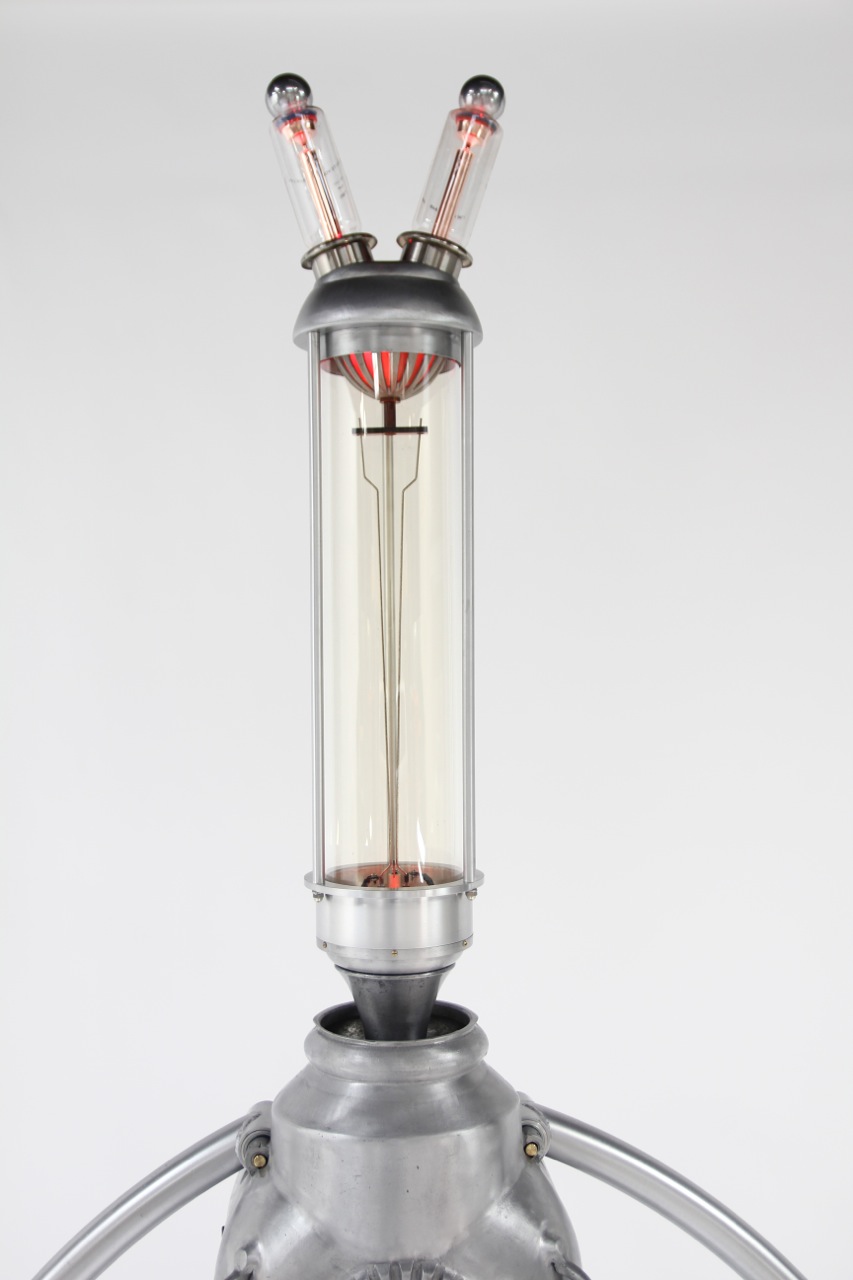
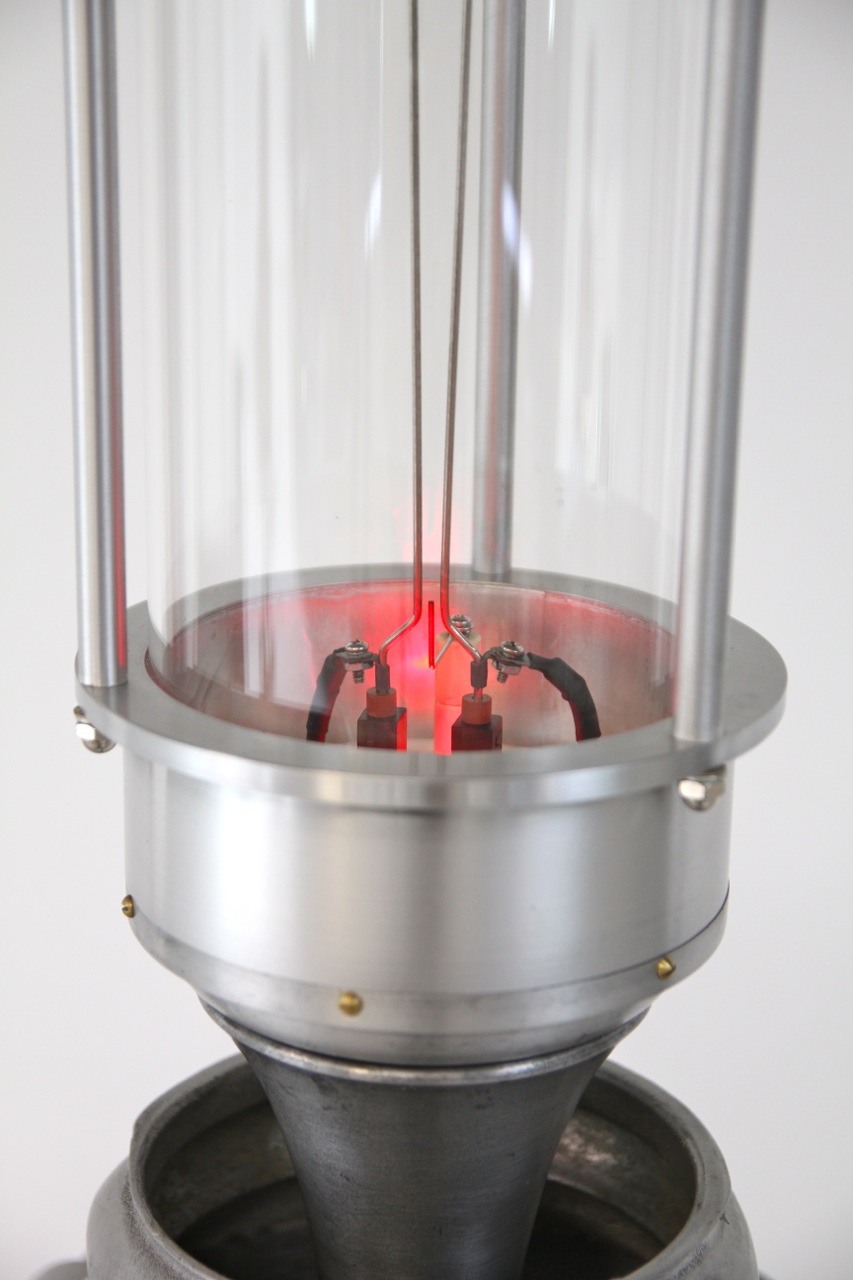
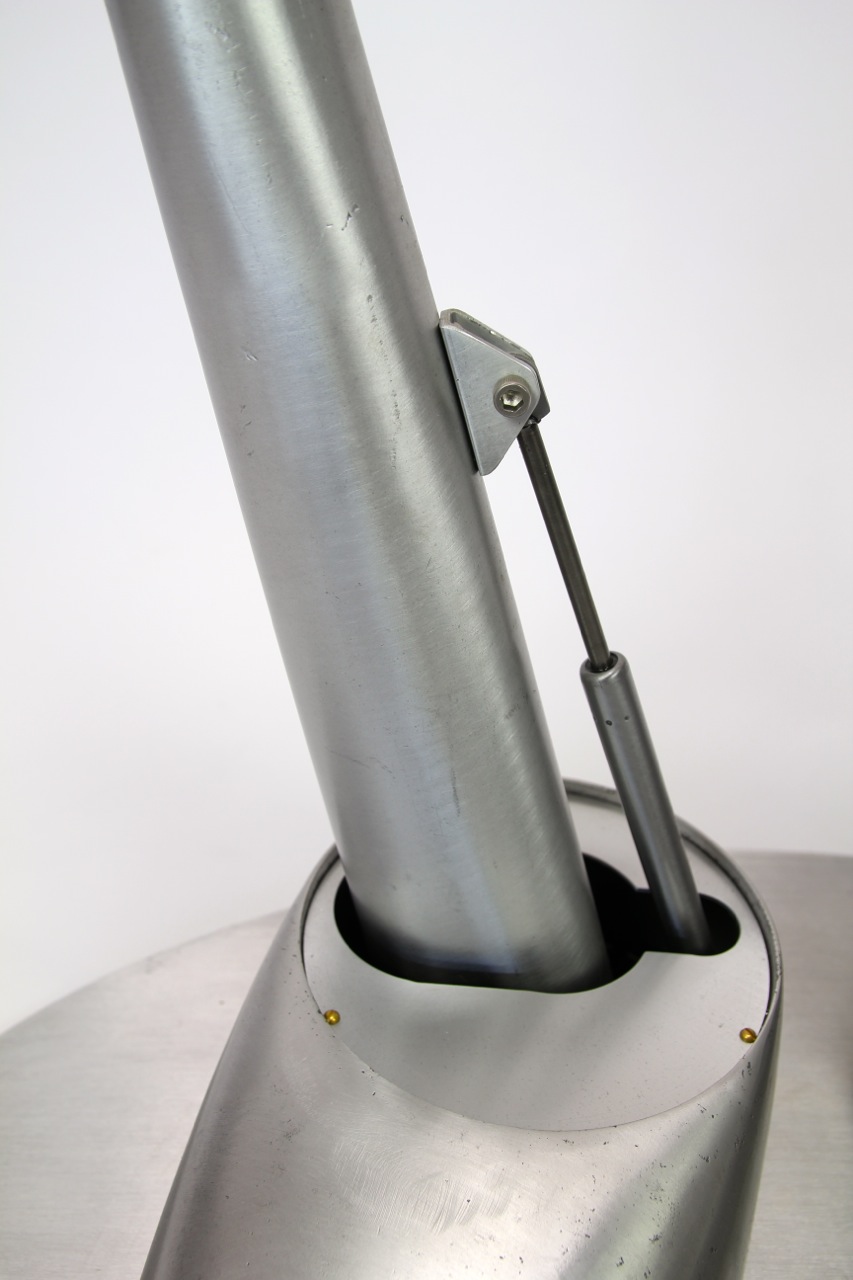
This sculpture uses an effect known as a “Jacob’s Ladder”. A high voltage arc is produced by way of a neon sign transformer, and then transmitted up the electrodes in the sculptures head. I’m personally very pleased with the movement with this one. All the action is generated within the abdomen. The little pistons in the ankles act as shock absorbers to smooth out the motion.